
Chinese President Xi Jinping will host Russian President Vladimir Putin and North Korean leader Kim Jong Un at high-profile events in Beijing this week, including a major Victory Day parade on September 3; the rare trio of appearances is being read across capitals as a deliberate display of Beijing’s rising diplomatic leverage and a rebuke to Western isolation.
Beijing has invited more than 20 foreign leaders to the parade and related summits, with state announcements confirming Putin and Kim among the guests; Chinese officials say the events will spotlight military modernization and joint security themes, while foreign commentators call the lineup a show of solidarity with countries under Western pressure.
For Xi the optics matter: bringing together leaders who have strained ties with the West projects an image of an alternative diplomatic axis and underlines China’s role as a convening power in Eurasia. Analysts say the ceremony will be parsed not just for the hardware on display but for who stands beside Xi in Tiananmen Square; leaders present or absent will be read as markers of influence.
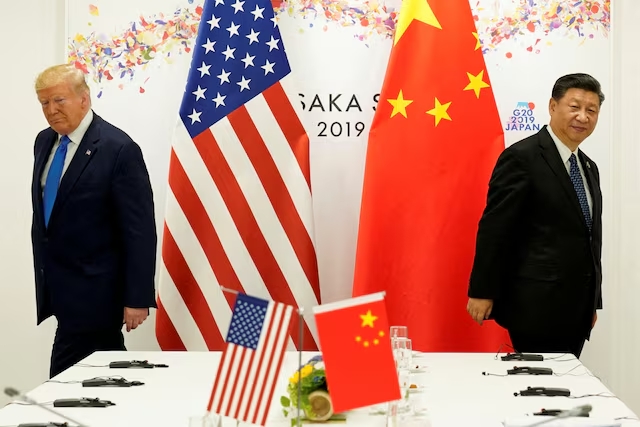
Washington is watching closely. There has been public speculation about whether U.S. President Donald Trump might accept an invitation to Beijing, but he has offered mixed signals about travel and summit plans; U.S. officials and allies are wary that a Trump appearance would hand Beijing a diplomatic prize if staged on Chinese terms.
The parade and parallel diplomatic events come at a fraught moment: Russia remains under heavy sanctions over its invasion of Ukraine and North Korea under global sanctions for its weapons programs. Their presence in Beijing alongside Xi undercuts Western efforts to isolate Moscow and Pyongyang and suggests Beijing is comfortable hosting partners who defy Western pressure. Observers say that matters because it reshapes the balance of influence in forums from Asia to the Middle East; it also complicates U.S. efforts to rally allies on issues from sanctions enforcement to regional security.
Commentators emphasize the two messages Beijing is sending simultaneously. One is domestic: the parade showcases Chinese military modernization to a national audience and reinforces Party legitimacy. The other is international: by staging a high-profile gathering of leaders excluded by many Western capitals, China signals it can convene and reassure those facing pressure, while also defining the diplomatic agenda and tempo. Experts caution that these are symbolic moves; yet in geopolitics powerful symbols often shape perception and policy.
That symbolism has practical consequences: Moscow and Pyongyang gain public affirmation from a major power, which may ease their diplomatic isolation and sharpen their bargaining positions with Europe and the United States. For Beijing, the event offers leverage when negotiating trade, technology and security questions with Washington and its partners. Analysts also note a risk: tighter public alignment among these capitals could harden rival blocs and reduce space for mediation on crises from Ukraine to the Korean Peninsula.
Not everyone reads the moment as a permanent realignment. Some foreign-policy experts caution against overinterpreting pageantry; they point out that China often frames such gatherings as ceremonial and insists it prefers pragmatic ties with many countries. Still, the timing and guests make this edition of Victory Day an unusually sharp geopolitical signal that foreign capitals will not ignore.
In short, Xi’s decision to host Putin and Kim on Chinese soil for large, choreographed public events will be treated as more than hospitality; it is a strategic communication. Whether the display alters concrete policy alignments will depend on follow-up diplomacy, but for now Beijing has staged a visible reminder that influence in the 21st century is measured as much in summits and symbols as in tanks and trade.