
Pakistan is about to enter a renaissance of maritime. The blue economy of the country is taking its long-term niche as an economic strategy only after decades of unexplored seawater resources, missing out on the opportunities of oceanic trade. According to a recent study, along with the active state policies, Pakistan will be able to produce USD 100 billion to USD 150 billion by developing its full maritime potential. This radical vision goes way beyond conventional fisheries and ports; it is a bold template of decades of long-term Maritime development that can change the economic path of the country.
There are already economic analysts who have pointed out that Pakistan had untapped oceanic resources but lack of structure and infrastructural restrictions prevented serious development to happen. One of the most prominent economic analysts, Ateeq ur Rehman points out that, Pakistan has now crossed over into a decisive stage of maritime development, where strategic reforms and investments may finally turn potential into real gains. It is a dynamic reform agenda that is being led by the Federal Government under the leadership of a minister of Maritime Affairs Muhammad Junaid Anwar Chaudhry. Its foundation is the overall strategy that is focused on modernization of port infrastructure, enhancement of marine logistics, and the process of making the maritime trade a part of the wider national economic system.
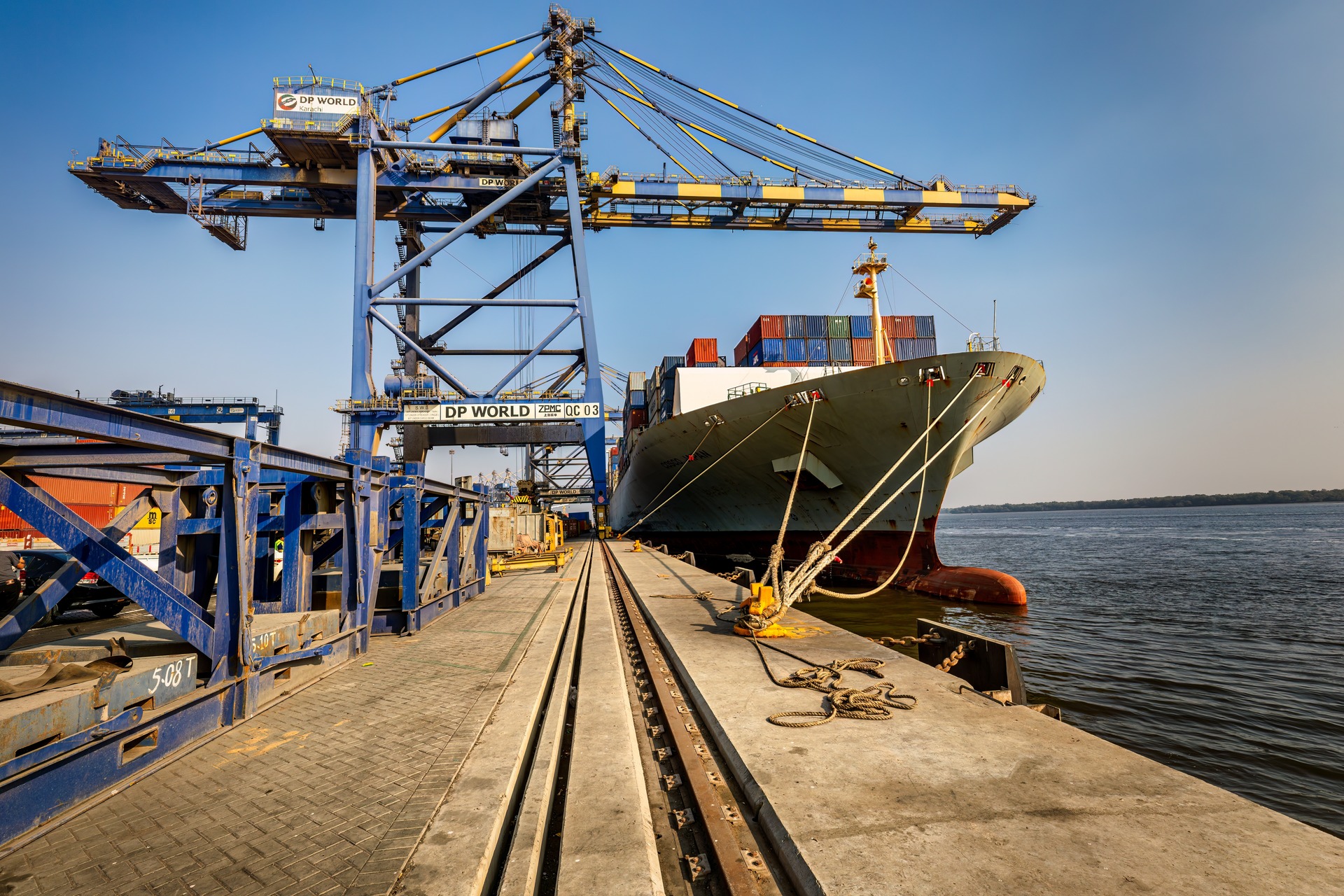
This vision focuses on creating three new deep-sea ports on the 1001 kilometers of the coastline of Pakistan. This project is not a civil engineering activity but a long term plan to make Pakistan a regional sea port. The ports, in their turn, will help relieve the existing facilities and reduce the efficiency of the trading process, as well as integrate Pakistan into the shipping networks on a more efficient level. The federal government has also formed a high level multi-agency committee whose responsibility is to determine the best sites to locate these ports with consideration of geographic factors as well as logistical factors besides environmental and social-economic factors.
The advent of these ports is in tandem with the fact that the research proposal of Ateequ ur Rehman, Dire need of mini sea ports, has buttressed the strategic relevance of both mini and deep-sea ports in the operation of improving the Pakistani trade ecosystem. Small ports, which are frequently ignored during classic planning, can also act as the booster of local economic growth, serving smaller-scale trade, fisheries, and coastal businesses and at the same time contributing to the large hub ports. Pakistan would be able to have more efficiency, resilience, and scalability in maritime operations by ensuring development of a networked system of ports.
At the moment, Pakistan maritime industry is only adding a small portion of 0.4-0.5 percent of GDP; this is a figure that does not reflect the size of ocean potential the country has. In addition to the fisheries, the coastline of Pakistan is rich in mineral wealth, hydrocarbon and rich marine life. Opening these resources in a sustainable and well-informed way would create a significant increase in the role that the blue economy plays in GDP. Analysts say that a well coordinated maritime expansion program can make Pakistan a regional spectator into an actor of South Asian maritime trade.
The effects of a strong blue economy go beyond national economic success. Pakistan stands a better chance to enhance its connectivity in the greater Indo-Pacific trade corridor, with strategically situated modern ports to boost its connectedness in the region. An enhanced shoreline will also increase the resiliency of the supply chain, lowering logistics expenses and drawing foreign direct investment. Furthermore, the sea trade enhances the geostrategy of Pakistan. Maritime routes are dominant in the modern global trade, and the countries that own powerful port infrastructure and logistical networks have significant economic and diplomatic power.
In addition, the blue economy approach adopted by Pakistan is in line with the assumptions made by the global community on the need to view the oceans as sources of sustainable development. A sustainability goal set by the United Nations on sustainable development, goal 14 highlights the need to conserve and use ocean, seas and marine resources sustainably. The growth of the maritime sector in Pakistan that is informed by environmental and ecological values and ideas may serve to provide an example of responsible blue economy development. Pakistan can make sure that economic growth does not come through the ecological degradation by incorporating the renewable energy initiatives, marine conservation zones, and sustainable fisheries management into the development strategies of ports.
Maritime investment is economically sound. Modern ports expand the throughput capacity which allows more exports and imports to transpire, creating jobs, stimulating related industries, and raising port fee revenues as well as the amounts of other related services. Moreover, the developed maritime infrastructure expands the capabilities of Pakistan to enter into the regional trade agreements, join the international shipping associations, and draw the international shipping lines. Maritime development is not a choice but a necessity to a country that intends to diversify its economy, cut down reliance on land-based trade routes and be more resilient to the interruption of world trade networks.
Read Also: Pakistan navy seizes $1 million worth of narcotics in North Arabian Sea
Other than economic and strategic needs, there is the social and developmental implications of maritime expansion. The coastal communities that have been sidelined in the national planning process would have benefited in regards to better infrastructure, new job openings, and the engagement in more value-added activities like seafood processing, shipbuilding, and port services. Skills training programs in maritime skills should be taught so that the work force is not only ready to handle the technical and operational requirements of the modern ports. In that regard, the blue economy is not a fiscal opportunity alone- it is a stimulus of development that can transform the whole coastal area.
The maritime century of Pakistan will not pass without problems. Development of ports involves a lot of planning, liaisation of various government bodies, and an extensive expenditure. Laws and regulations need to be updated to allow the involvement of the private-sector besides protecting the environment. Security factors, not only due to the traditional threats, but also due to non-traditional maritime risks, like piracy and smuggling will also require long-term focus. However, the current tide goes on to indicate that Pakistan is ready to face these adversities with strategic thinking.
The maritime strategy of Pakistan has a regional and global level of importance in a wider geopolitical context. With India, China and other regional powers increasing their sea coverage, Pakistan investments in ports and the blue economy infrastructure can improve its capacity to protect trade routes and establish dominance in the Arabian Sea. Such projects as the China-Pakistan Economic Corridor (CPEC) already highlight the strategic role of Gwadar and other coastal hubs. A diversification of national capabilities, less reliance on single hubs, and making Pakistan a crucial node on international trade chains are the results of expansion of this network with more deep-sea and mini ports.
Moreover, the blue economy provides innovation and knowledge-based industries. High-value potential in underwater minerals, ocean energy and marine biotechnology are the emerging areas. Through research and collaboration in these fields, Pakistan will be able to stop relying on traditional maritime sectors and develop high-skill employment, entering foreign investments, and developing international expertise. The meeting of technology, sustainability, and trade in the blue economy is one of the areas of economic diplomacy in which Pakistan can take the lead.
To sum up, the maritime century of Pakistan is no longer a dream, but a reality that is being played out. Under the influence of decisive state reforms, intensive investments in the development of port infrastructure, and the revival of interest in sustainable oceanic development, the country has an opportunity to open the USD 100-150 billion of the economic potential. It is a paradigm shift, a shift that might change the economic landscape of Pakistan, bring closer the region, and make the country more resilient. The blue economy is not just an economic sector, but a strategic asset, development engine as well as a foreign policy tool. When done in a proactive manner and with hard work, the maritime expansion of Pakistan will not only boost the GDP but also establish it as a regional maritime power. It is a first time in history that the sea is not a periphery in the Pakistani economic map, it is the core of a 100-year process of prosperity, influence and self-sustainable growth.
The blue economy of Pakistan has a bright future. The next few decades will see the humming deep-sea ports, the flourishing coastal communities and it will be the national economy relying more and more on maritime commerce. The sea, a silent empennon all along of the possibilities of Pakistan, is at last being turned to as a source of national wealth. Pakistan has the potential to become the rightful owner of the seas of the world with the appropriate combination of policy, investment, and innovation, and enter a new century when the blue economy would not only change the face of the business but also the shape of the national development and the impact of nations.