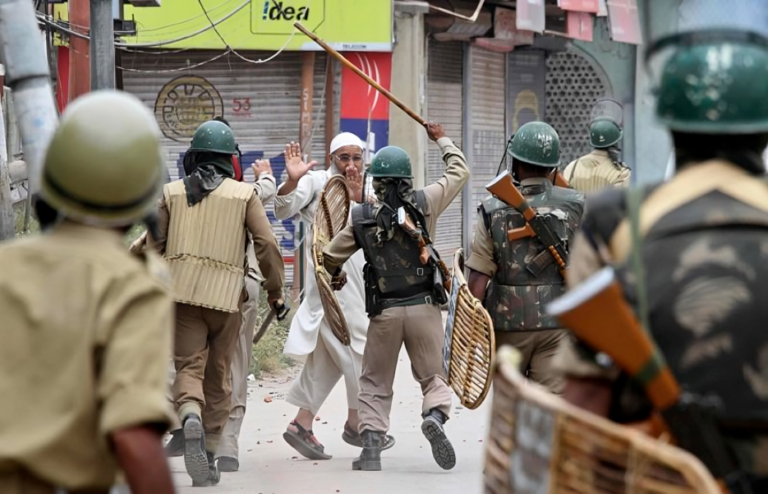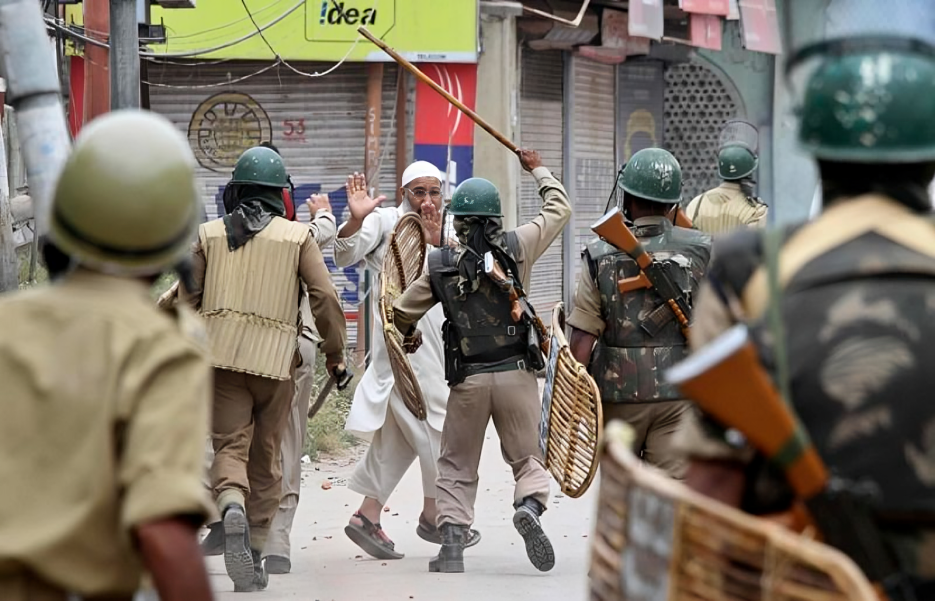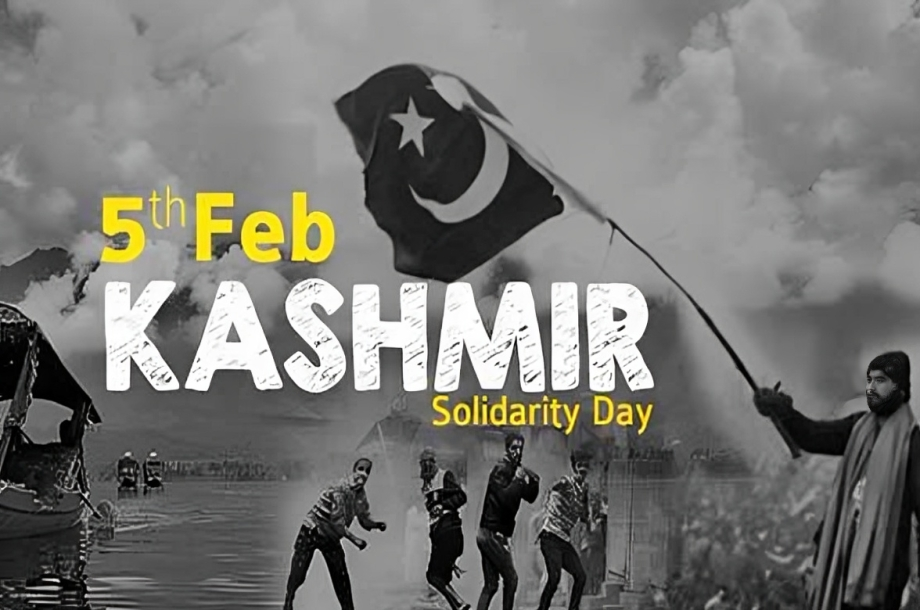

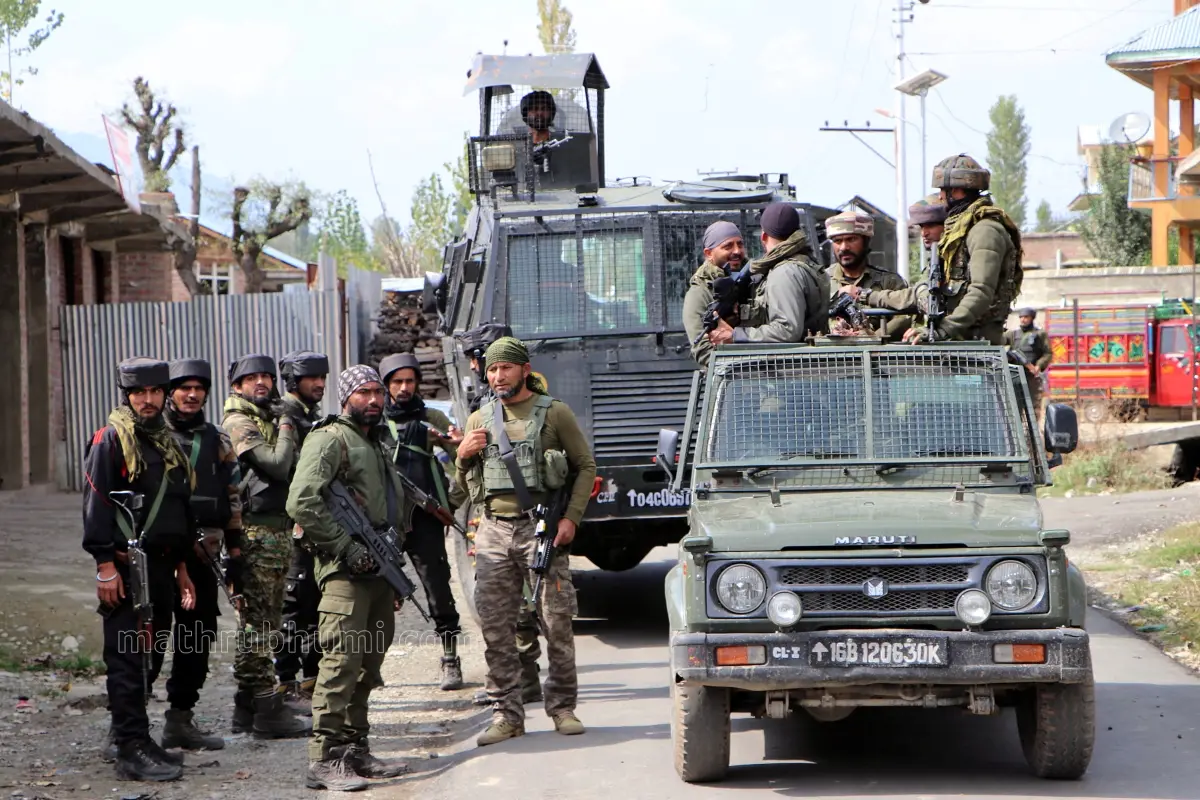
The United Nations (UN) experts have raised alarm over India’s brutal crackdown in Jammu and Kashmir following the 22 April 2025 terrorist attack in Pahalgam, which resulted in the deaths of 26 people. The experts condemned the widespread human rights violations carried out by Indian authorities in the aftermath of the attack, calling attention to the arbitrary arrests, torture, punitive house demolitions, communication blackouts, and forced expulsions of refugees.
The Pahalgam attack, which killed 26 people, was a tragic event that sparked outrage and grief across India. The UN experts unequivocally condemned the terrorist act and expressed their condolences to the victims and their families. However, they stressed that in the aftermath of such incidents, governments must act in accordance with international human rights law, even while combating terrorism. The crackdown by Indian authorities following the attack, they argued, violated fundamental human rights and undermined the very principles of justice and fairness that counter-terrorism efforts should be built upon.
Following the attack, Indian authorities launched sweeping security operations across Jammu and Kashmir, resulting in the arbitrary arrest of around 2,800 individuals, including journalists and human rights defenders. Many of those detained were charged under India’s Public Safety Act (PSA) and the Unlawful Activities (Prevention) Act (UAPA), laws that allow for prolonged detention without trial or charge, often based on vague and broad definitions of terrorism. The detentions, according to reports, involved widespread human rights abuses, including torture, incommunicado detention, and denial of access to legal counsel and family members.
The experts strongly condemned these practices, pointing to the growing trend of arbitrary arrests, suspicious deaths in custody, and torture within India’s counter-terrorism operations. They also condemned reports of lynchings and discriminatory treatment of Kashmiri and Muslim communities. These actions not only violate the fundamental human rights of those detained but also contribute to the deepening divisions and unrest in Kashmir, further fueling resentment against the state.
One of the most alarming aspects of India’s post-Pahalgam response has been the reported increase in punitive house demolitions and forced evictions targeting families perceived to be sympathetic to militants. These demolitions were carried out without court orders or due process, amounting to what the UN experts called “collective punishment.” This violates both international law and India’s own constitutional guarantees regarding the right to life, human dignity, and protection from arbitrary displacement.
The experts also noted that these actions contradict a 2024 ruling by India’s Supreme Court, which found that such demolitions are unconstitutional. The court ruled that they violate individuals’ rights to protection from arbitrary displacement, yet authorities have continued these punitive measures with impunity. The UN experts called on the Indian government to halt these demolitions and ensure that individuals are not subjected to forced displacement without legal recourse.
Another disturbing feature of the post-Pahalgam crackdown was the suspension of mobile internet services and the blocking of nearly 8,000 social media accounts, including those of journalists and independent media outlets. This move, which the UN experts described as a disproportionate restriction on freedom of expression, further stifles press freedom and restricts the ability of citizens to freely exchange information.
By blocking media accounts and silencing independent voices, the Indian government has not only violated the rights of individuals to express themselves but also curtailed transparency in the handling of the aftermath of the Pahalgam attack. The internet blackout is seen as an attempt to control the narrative and prevent criticism of the government’s actions, undermining the very principles of democracy and free speech.
Outside of Kashmir, the impact of India’s crackdown was also felt by Kashmiri students, who were subjected to increased surveillance and harassment. Government directives requiring universities to collect personal data from Kashmiri students intensified feelings of insecurity among this already marginalized group. The surveillance of these students, who were often treated as suspects simply because of their origin, highlighted the deep-seated discrimination faced by Kashmiri Muslims across India.
Moreover, the rise in hate speech and incitement to violence against Muslims in India, fueled by political figures in the ruling party, further exacerbated the climate of fear and suspicion surrounding Kashmiri Muslims. Such actions create a toxic atmosphere that undermines social cohesion and fuels communal violence across the country.
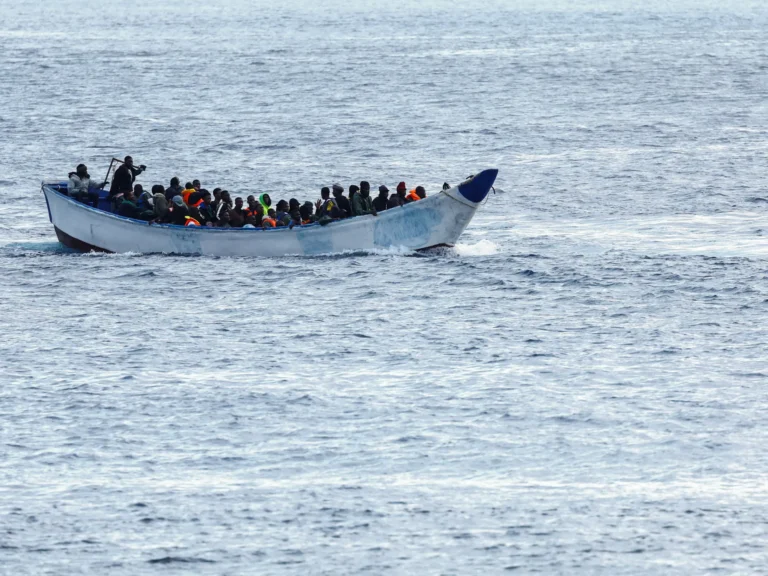
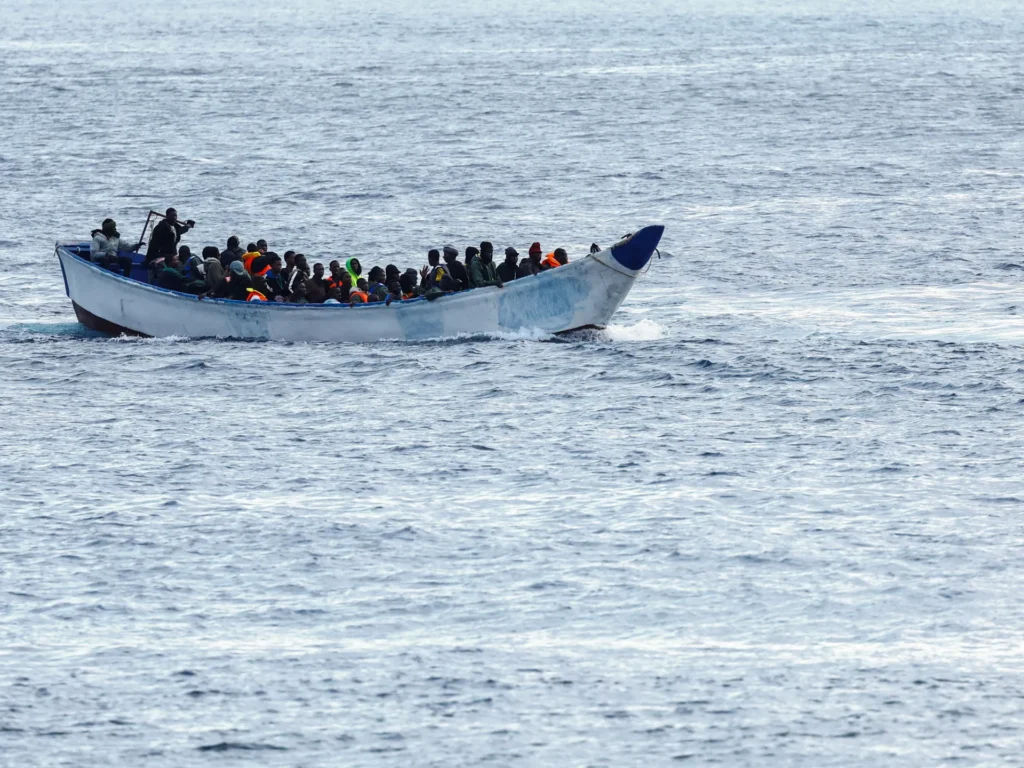
One of the most egregious actions taken by the Indian government in the aftermath of the Pahalgam attack was the expulsion of nearly 1,900 Rohingya Muslims and refugees to Bangladesh and Myanmar. These expulsions were carried out without due process, violating the international principle of non-refoulement, which prohibits the deportation of individuals to countries where they face the risk of persecution, torture, or death.
The UN experts condemned these expulsions, noting that they violated India’s international obligations under the Refugee Convention and other human rights frameworks. The forced return of refugees, particularly Rohingya Muslims who have already faced severe persecution in Myanmar, constitutes a serious breach of human rights and exposes these individuals to further harm.
Read Also: Crisis in Sudan: Mass Atrocities and Human Disaster
The actions taken by India following the Pahalgam attack are emblematic of the broader, long-standing denial of human rights in Kashmir. Human rights defenders, including Irfan Mehraj and Khurram Parvez, have been arbitrarily detained for years under draconian security laws such as the UAPA. These ongoing abuses reflect a systemic issue in Kashmir, where authorities routinely suppress dissent and violate the basic rights of Kashmiri Muslims and other minorities.
The UN experts called for the immediate and unconditional release of all individuals arbitrarily detained in Jammu and Kashmir, urging the Indian government to take urgent steps to bring its counter-terrorism practices in line with international human rights standards.
The UN experts also emphasized the need for India to reform its counter-terrorism laws and practices to ensure that they comply with international human rights obligations. They called for independent investigations into all alleged violations and the prosecution of those responsible for human rights abuses. The excessive and disproportionate measures taken in the name of counter-terrorism not only violate the rights of individuals but also exacerbate social divisions and grievances, creating a vicious cycle of violence that undermines peace and stability in the region.
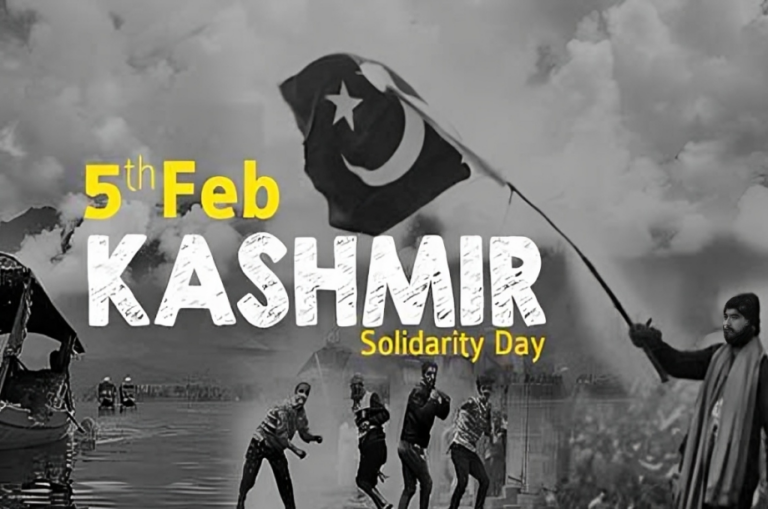
The experts further urged both India and Pakistan to work toward a peaceful resolution of the long-standing conflict over Jammu and Kashmir, which has been the root cause of much of the violence and human rights violations in the region. Only through dialogue and cooperation can the cycle of violence and repression be broken.