
The United States has announced a new wave of sanctions targeting companies and ships accused of moving Iranian oil in violation of international restrictions. According to the U.S. Treasury Department, 13 firms and eight vessels operating from Hong Kong, China, the United Arab Emirates and the Marshall Islands have been blacklisted; investigators traced the operations to a network overseen by Greek businessman Antonios Margaritis.
The U.S. State Department also sanctioned two Chinese terminal operators that have been receiving Iranian shipments. Washington says these measures are necessary to limit Iran’s ability to fund weapons programs and support for regional militias; the action comes amid stalled nuclear negotiations and growing concerns about Tehran’s missile development.
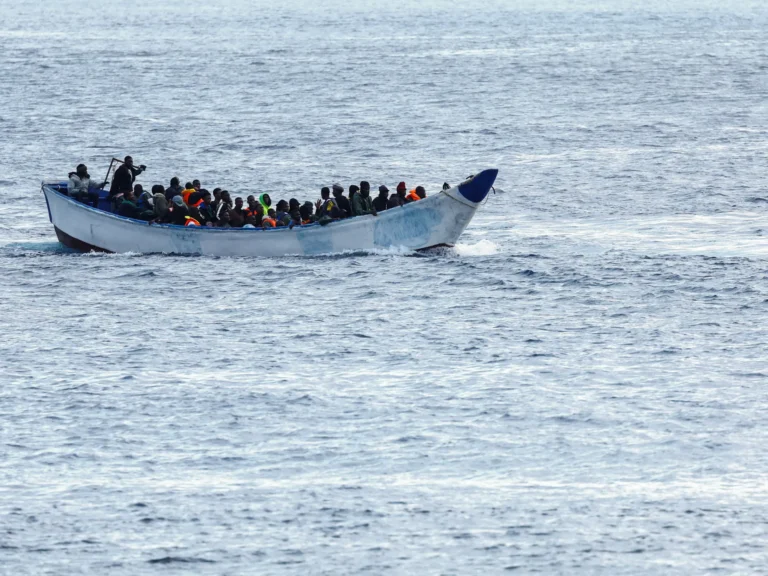
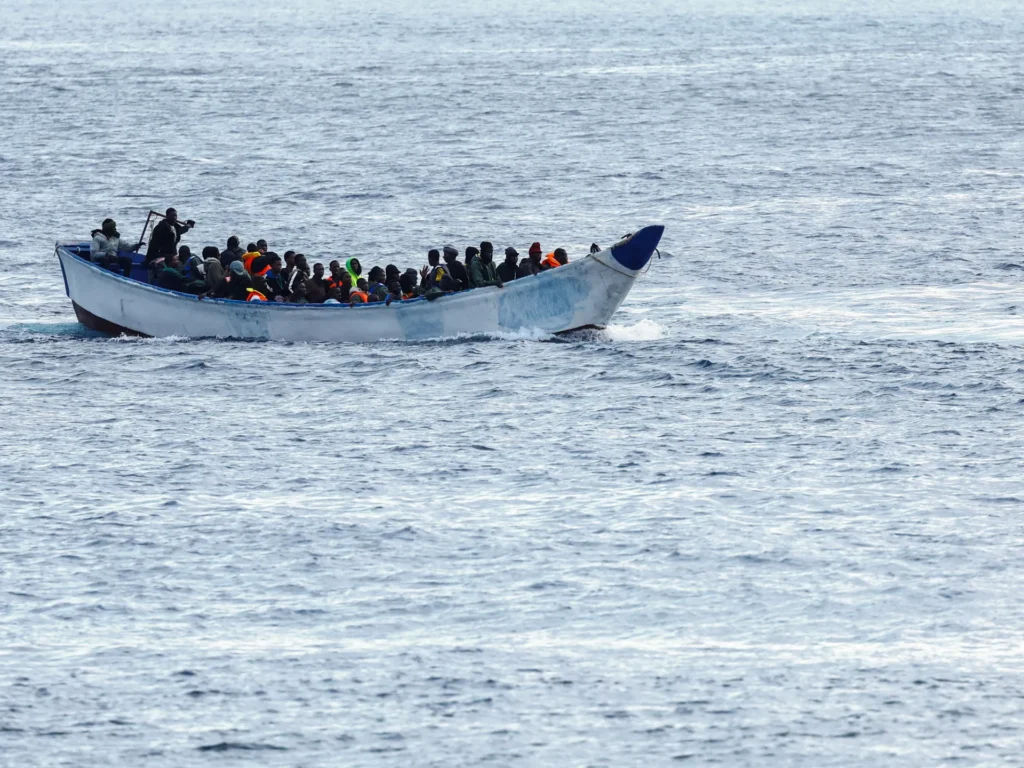
Officials describe these networks as part of Iran’s “shadow fleet” that conceals ownership, frequently changes ship registrations, and evades tracking systems. By targeting the fleet’s managers and shell companies, Washington aims to cut off billions of dollars in revenue that Iran depends on; the Biden administration insists that these sanctions are designed to weaken Tehran’s ability to destabilize the Middle East.
Maritime analysts have long warned that Iran relies on tankers with hidden or shifting identities, shell corporations with complex structures and financial tricks such as mortgaging ships to cover their true owners. The latest sanctions suggest Washington is now acting aggressively on those warnings; they represent both an attempt to dismantle the smuggling web and a signal that further violations will face consequences.
There are concerns about the impact on global oil markets. Reductions in Iranian supply could strain the balance of demand and production, potentially raising energy costs worldwide; this risk may only be offset if other producers like OPEC+ boost their output.
Iran rejects the allegations, arguing that its oil exports are legal under international law. Officials in Tehran accuse the U.S. of economic warfare and insist their nuclear program remains peaceful; they also argue that diplomatic progress is impossible while sanctions and military pressure continue.
For Washington, however, the message is clear. As long as Iran attempts to move oil through clandestine routes, the United States intends to pursue the companies and vessels that make it possible; the sanctions are designed to tighten the financial net and remind Tehran that its shadow fleet is being tracked.