
The Root of the Shutdown
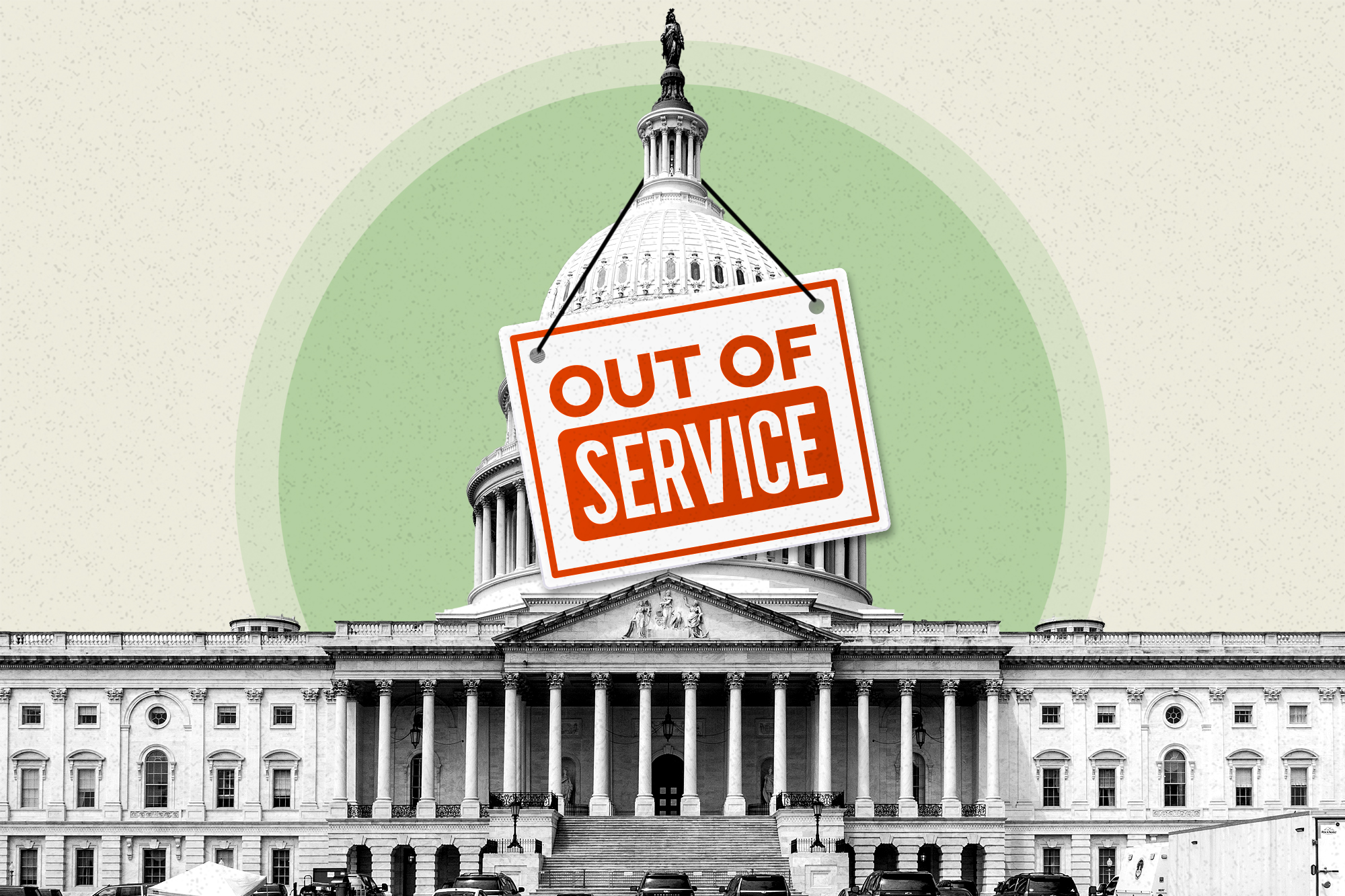
The United States entered a partial government shutdown on October 1, 2025, after Congress failed to pass either annual spending bills or a temporary funding measure. Deep disagreements over budget priorities, social spending, and defense allocations triggered the deadlock. The House of Representatives passed a short-term continuing resolution, but the Senate blocked it after failing to secure the required 60 votes. Political division, procedural hurdles, and internal party clashes led directly to the funding lapse.
Immediate Operational Impact
Federal agencies began scaling down operations within hours of the funding cut. Thousands of employees went on furlough, while essential workers continued under uncertainty. Agencies like the Commerce Department and the Bureau of Labor Statistics postponed key economic reports, delaying vital data that markets and policymakers rely on. Many contractors and state partners faced payment delays, halting projects and creating ripple effects across sectors.
Economic Repercussions
The shutdown has already slowed short-term growth and dampened investor sentiment. Businesses dependent on federal contracts face reduced liquidity and paused workflows. Economists warn that prolonged shutdowns weaken consumer confidence and could trim GDP growth if they persist beyond two weeks. The financial markets remain volatile, with investors cautious about further government instability.
Although Congress resolved the debt ceiling issue earlier in 2025, the current impasse renews fears about the nation’s fiscal credibility. Repeated brinkmanship raises questions about the United States’ ability to maintain fiscal discipline and meet long-term obligations without political drama.
Political Dynamics and Next Steps
Both parties have hardened their stances. Republican leaders demand deeper spending cuts, while Democrats insist on protecting social and environmental programs. The White House continues urging a bipartisan short-term funding deal to reopen the government, but negotiations remain tense.
A brief continuing resolution could end the shutdown temporarily, yet it won’t solve the underlying issues. True stability requires restoring the full appropriations process, improving congressional coordination, and rebuilding trust between branches of government.
The Broader Lesson
The 2025 government shutdown underscores a fundamental truth: political gridlock carries real economic costs. Lawmakers must shift from confrontation to cooperation to prevent another self-inflicted crisis. Restoring fiscal order will not only stabilize the economy but also reinforce public confidence in American governance.