
Overview
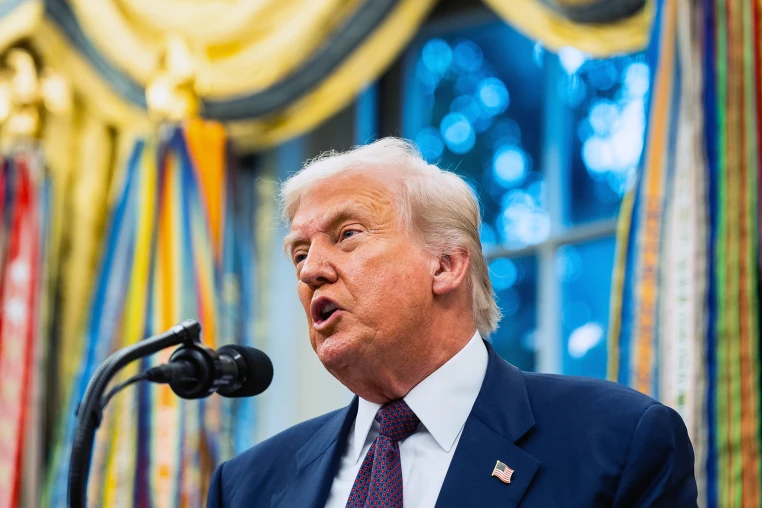
Donald J. Trump began his second term in the white house upon assuming the office as the President of the United States in January 2025 after attaining victory against his opponent Kamala Harris. Shortly after returning to presidency, Trump moved quickly towards his trade and economic agendas.
These sets of agendas resulted in executive orders on tariffs placing a high emphasis on protectionist measures. Such orders are continuing to rise posing a greater threat to global economic stability and contributing to its increasing fragility.
As of August 2025, Trump tariffs cause significant impacts on various rising economies including the European Union, India, Canada, Brazil, and Switzerland.
The European Union — 15% Blanket Tariff + 50% on Metals
As part of the Trump administration’s July 31st Reciprocal tariffs order; the European Union faced a 15% blanket tariff on Autos, pharmaceuticals and other major European exports along with a 50% tariff rate on metals including steel, aluminium and copper. The EU has been seen as the largest collective U.S. trade partner, so imposing a tariff on it was meant by Trump to show that there are no exemptions even for close allies.
India — 50% Tariff now effective
The world has seen US previously as a close ally to India, but this perception turns out to be contradicted after a recent order signed on August 6 that confirmed the tariff increase on India by an additional 25% resulting in a now effective 50% tariff. This tariff placement comes on Indian Goods over their recent Russian Oil purchases which is seen as beneficial to India as it is cheap and affordable.
Canada — 35% on a bordering ally
Canada-US relationships have always been defined as brotherly, with the two nations that shared deep rooted friendship now seems to be fragmented apart. Immediately after Trump got into power, Canada was perhaps one of the first nations that saw a rise in US tariff rate, with a recent order passed on August 1st posing an even increased percentage resulting in a total tariff rate of 35%.
Brazil — The highest hit with a 50% Tariff rate
The President of the United States leaves no nation behind as according to a recent report on 31st July the tariff rate for this South American nation rose to 50% effective from August 6th. Luiz Inácio Lula da Silva, or better known as Lula who is the 39th president of Brazil, criticised this unilateral tariff rate imposed by Trump and accused the US of threatening his government classifying this act as an “unacceptable blackmail”.
Switzerland — 39% tariff to justify universality
On July 31st the executive orders imposed a 39% tariff rate on Switzerland, even though the nation is not seen as a trade rival, this approach by trump generally meant to justify the “America First” approach and the universality in trade tariffs to portray that no country is spared from American Tariffs.
Overall, this new wave of Trump tariffs is not just a protectionist measure for the nation, but has severe economic consequences that testifies global resilience and fragments US relationship with various other nations posing a greater threat to global stability in various aspects.