
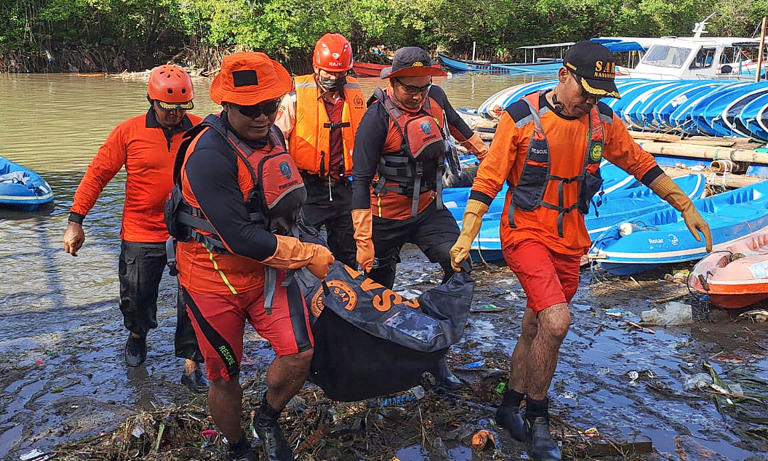
On September 11th Torrential rains triggered severe flooding and landslides across Bali and the East Nusa Tenggara provinces of Indonesia. As per now Search-and-rescue teams have recovered 15 dead bodies and are still looking for 10 missing people.
With about 112 neighbourhoods flooded and many left displaced, rescue operation teams are combing through mud, water, debris and collapsed homes in order to evacuate the affected victims and find the missing people.
This tormenting incident took place in Indonesia’s popular tourist destination hitting both Bali’s residential and rural areas while cutting off access to villages, damaging infrastructure, and soaking the roads and streets of the city. Aside from Bali, these floods struck the remote island communities of East Nusa Tenggara, disrupting farmlands, destroying homes and creating a certain food insecurity.
The victims of these floods include local villages, families, children as well as the tourists visiting Indonesia. In order to effectively deal with the situations now, government agencies including BNPB, Red Cross, police and national army are coordinating for flood relief while the rescue workers and various volunteers continue to serve on ground rescue operations.
The government in specific to this disastrous crisis situation responded by mobilising medical teams to prevent cholera, dengue, and other waterborne diseases. It also deployed emergency teams with boats and equipment while it opened temporary shelters in various government buildings, schools, mosques and other safe infrastructure.
As per the reports, these floods were caused by the heavy monsoon rains as Indonesia sits in a tropical monsoon belt where rainfall is common in this season. However in addition to it several climate change facts have influenced the severity of extreme rain events, and rapid urbanization in places like Bali has exhausted the drainage maintenance, and capacity requiring replacement and expansion. Lastly, deforestation across the nation has reduced the natural water absorption leading to such abrupt floods.
Before the flash floods that struck Bali and East Nusa Tenggara, During this year’s time span the country had already seen heavy flooding first in Jakarta and West Java and then in the Island of Sumatra and Sulawesi where flash floods also caused landslides, eventually resulting in both casualties and agricultural losses.
Thus considering the frequency of this disaster it is important for the government to be reminded and take actionable solutions as preparedness to such natural hazards requires investment of time, effort and money so that they can be dealt in a more convenient way.