
In the ever-evolving geopolitical landscape of the Middle East, the Gaza conflict has remained a flashpoint, emblematic of the broader Israeli-Palestinian issue. The Gaza Strip, where over two million Palestinians reside under harsh conditions, has been a battleground for decades, witnessing a cycle of violence that has caused incalculable suffering. The emergence of the Gaza Peace Plan, crafted through the tireless diplomatic efforts of several regional and global players, presents a potential turning point in the region’s long-standing conflict. This peace plan, announced on September 29, 2025, in a Joint Statement by the Foreign Ministers of Jordan, United Arab Emirates (UAE), Indonesia, Pakistan, Türkiye, Saudi Arabia, Qatar, and Egypt, signifies a rare instance of diplomatic convergence that could lead to a sustainable resolution to the Palestinian question.
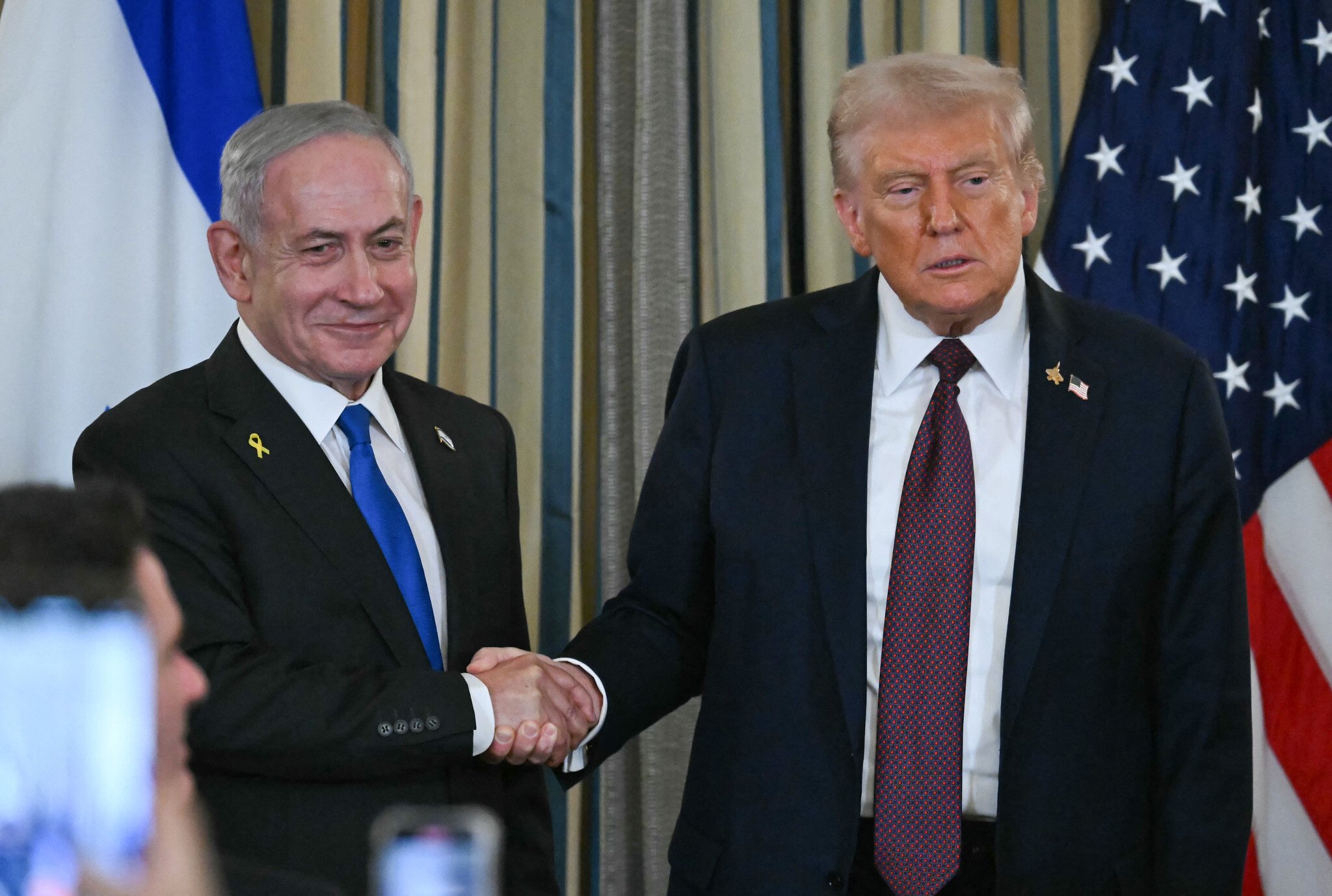
The Gaza Peace Plan, led by President Donald Trump, seeks to bring an end to the war in Gaza, alleviate Palestinian suffering, and provide a framework for self-determination. Unlike previous diplomatic attempts that had faltered due to a myriad of reasons, the new plan is being seen as a comprehensive roadmap, emphasizing humanitarian aid, a full Israeli withdrawal, and a two-state solution that integrates Gaza and the West Bank under international law. The plan’s potential to deliver long-lasting peace and a viable Palestinian state lies in its commitment to non-negotiable principles, including the right of Palestinians to self-determination, the cessation of Israeli occupation, and the halt of any further annexation of Palestinian territories by Israel.
Despite the difficult political climate and entrenched rivalries in the Middle East, Pakistan has managed to maintain its principled stance while actively participating in backdoor negotiations. The Ministry of Foreign Affairs (MoFA) in Pakistan, in its press release following the announcement, reaffirmed the country’s unwavering commitment to the two-state solution. This position, aligned with the aspirations of the Palestinian people, has shaped Pakistan’s diplomatic outreach and provided a sense of consistency and integrity to its foreign policy.
In the early years of the Israeli-Palestinian conflict, Pakistan, as a leading member of the Organisation of Islamic Cooperation (OIC), has played an instrumental role in advocating for Palestinian rights on the global stage. This continued support is not merely an ideological or moral stance but a reflection of Pakistan’s broader strategic vision for regional peace and stability. By reaffirming its dedication to the creation of a Palestinian state, Pakistan is not only supporting a just cause but also aligning itself with a policy that has the backing of a significant portion of the Muslim world.
Read Also:US and UN Discuss Gaza Reconstruction Plan before General Assembly
One of the plan’s key pillars is the creation of a viable Palestinian state, encompassing both Gaza and the West Bank. This vision of statehood is central to Pakistan’s foreign policy, which insists on the inalienable rights of Palestinians to self-governance and territorial integrity. While the United States under President Trump has come under intense scrutiny for its controversial stances on Middle Eastern affairs, the leadership of the U.S. has brought a pragmatic element to the peace process. For Pakistan, engaging with the U.S. in this context represents an opportunity to influence a policy that aligns with its core values without compromising on principles. The Joint Statement expresses Pakistan’s readiness to engage with the U.S. and other international actors to implement the plan, emphasizing the need for security guarantees, the release of hostages, and full Israeli withdrawal from Gaza.
At the heart of the Gaza Peace Plan is its humanitarian component, which aims to address the immediate needs of the Palestinian people. The ongoing violence and displacement of Palestinians, especially women and children, have been the central themes in the international discourse surrounding the Gaza conflict. In the past two years alone, the conflict escalated to what many analysts have described as a genocidal onslaught against Palestinians. Civilians, already living in squalid conditions, were subjected to indiscriminate bombings, displacement, and severe restrictions on essential services, including healthcare and food.
The critical involvement of humanitarian organizations, under the auspices of the international community, is also a cornerstone of the peace plan. This multi-dimensional approach—focusing on immediate relief as well as long-term development—could help rebuild Gaza’s shattered economy and foster a sense of normalcy and hope among its people. Pakistan’s involvement in this humanitarian initiative is particularly noteworthy, as it continues to advocate for Palestinian welfare, not just in terms of international law but also in terms of tangible support on the ground.
The success of the Gaza Peace Plan hinges not only on external diplomatic efforts but also on internal Palestinian dynamics. The fact that both Hamas and the Palestinian Authority have been involved in the backdoor negotiations speaks to the broad-based support for the plan within Palestinian leadership. Historically, the division between Hamas, which controls Gaza, and the Palestinian Authority, based in the West Bank, has complicated efforts to reach a consensus on the future of Palestine. However, the Gaza Peace Plan represents a unified stance that incorporates the aspirations of all Palestinian factions.
While some critics have expressed concerns about the feasibility of implementing the plan, particularly in light of the complex internal politics of Palestine, the involvement of both Hamas and the Palestinian Authority is an encouraging sign. The plan offers a framework for reconciliation, enabling Palestinians to achieve a unified vision for their future as a sovereign state.
Despite the broad support for the Gaza Peace Plan, there remains a vocal minority that has criticized its provisions. These critics, often driven by political agendas and narrow interests, argue that the plan is a compromise that overlooks certain aspects of Palestinian sovereignty and rights. However, the historical context and decades of suffering endured by the Palestinian people necessitate a pragmatic approach to peace.
The Gaza Peace Plan represents a historic moment in the Israeli-Palestinian conflict. It is a rare convergence of political will, humanitarian concern, and diplomatic ingenuity. Pakistan’s role in the formulation and support of this plan highlights its growing influence in Middle Eastern diplomacy and its unwavering commitment to the Palestinian cause. As the world watches closely, the implementation of this plan will be a defining moment for peace in the region. With the promise of a viable Palestinian state, security, and humanitarian relief for Gaza, the Gaza Peace Plan offers hope where there has been little for far too long.