
Introduction
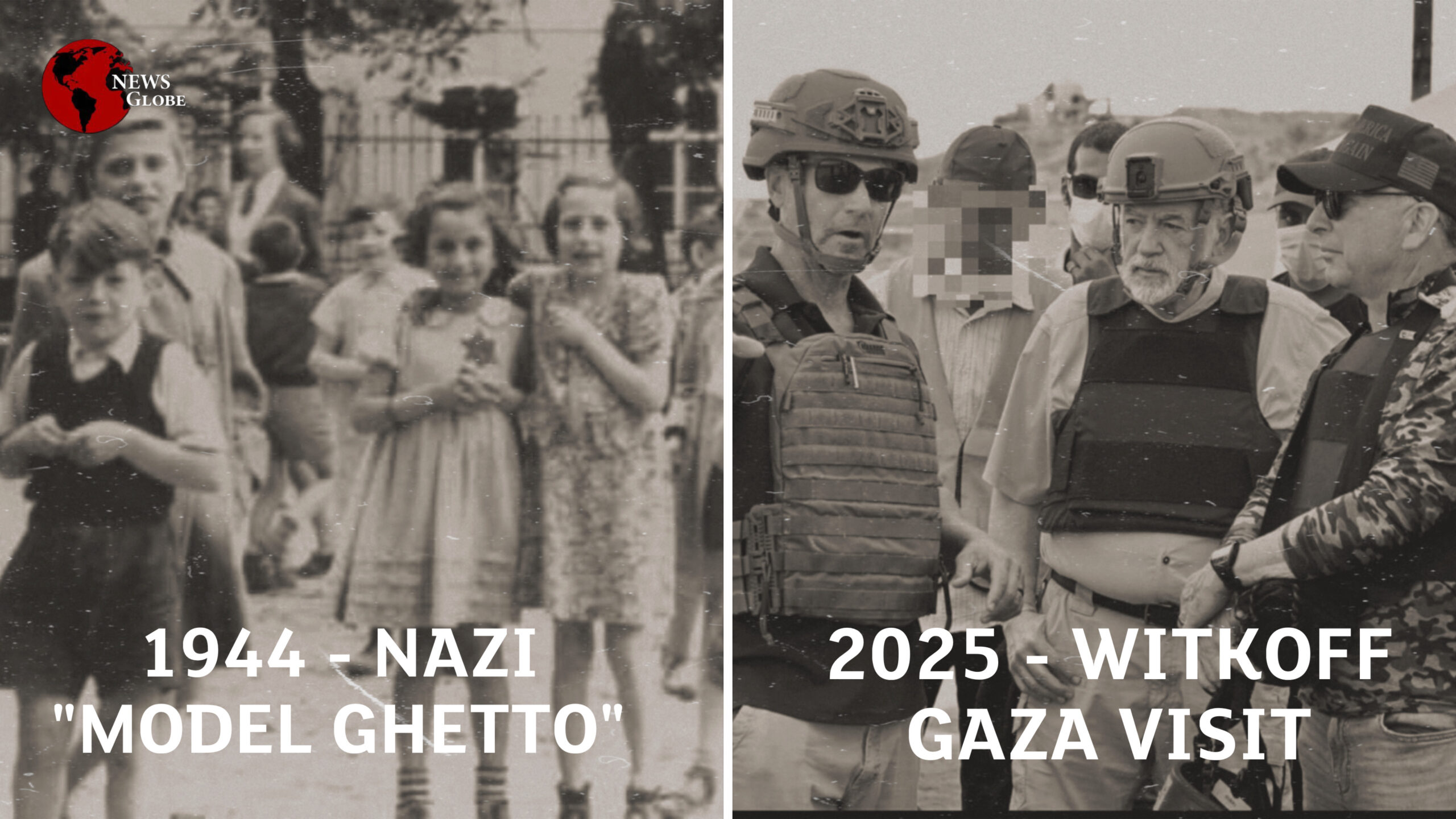
History has shown that in times of crisis, leaders sometimes stage events to influence global perception. The Gaza aid site visit by US envoy Steve Witkoff in 2025 mirrors historical tactics of controlling what the world sees.
In 1944, Nazi Germany created a fake ‘model ghetto’ in Theresienstadt to convince the Red Cross that Jewish prisoners were being treated humanely.
In 2025, after international media exposed killings and chaos at Gaza aid sites, US envoy Steve Witkoff toured Gaza Humanitarian Foundation (GHF) sites in Rafah. Officials carefully sanitized the area, hid military hardware, and controlled the crowds to present a calm scene aiming to influence global perception while deadly violence and a severe humanitarian crisis persisted beyond the visit.
1944 – The Nazi “Model Ghetto” at Theresienstadt
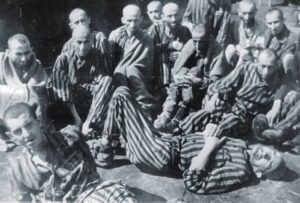
When reports of Jewish mistreatment reached the world during World War II, Denmark and the International Red Cross demanded access to check conditions at Theresienstadt. The Nazis responded by turning the camp into a stage set: buildings painted, gardens planted, concerts and soccer games organized and only selected areas shown.
The goal was to deflect criticism and hide the reality severe overcrowding, starvation, and deportations to Auschwitz. The Red Cross report, based on the staged visit, gave a falsely positive impression, buying the Nazis more time to continue their crimes.
2025 – Gaza Aid Site Visit by US Envoy Witkoff
Eighty one years later another visit sparked debate this time in Gaza. After international media investigations reported that more than 1,300 Palestinians had died trying to reach food at GHF(Gaza humanitarian Foundation) run aid sites, US envoy Steve Witkoff toured the facilities.
Critics allege that his route and Gaza aid site visit was heavily managed: snipers and tanks removed from view, crowds controlled, and a calm environment presented for the cameras. The aim, they say, was to counter negative coverage and show the world that aid was being delivered smoothly.
Conditions Outside the Gaza Aid Site Visit
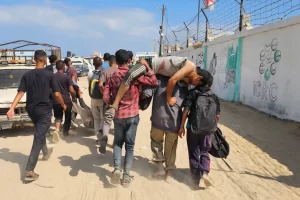
Reports from journalists and aid workers described ongoing gunfire, dangerous conditions and a worsening humanitarian crisis. During Witkoff’s tour, medical sources reported that elsewhere in Gaza, Israeli forces killed at least 36 Palestinians seeking aid including a 12 year old boy who was reportedly shot dead while trying to find food for his family.
Why These Comparisons Matter
While the scale and context differ greatly but both events share a core tactic. Carefully stage managing what outside observers see while the harsher reality remains hidden. In 1944, it was about hiding mass killings. In 2025, it was about shaping the global narrative of a modern conflict.
Conclusion
From Theresienstadt to Rafah, history warns us to look beyond polished presentations. Whether in wartime Europe or present day Gaza, staged appearances can mislead public opinion while suffering continues out of sight.
The responsibility falls on journalists, investigators, and the public to question, verify, and seek the truth.