
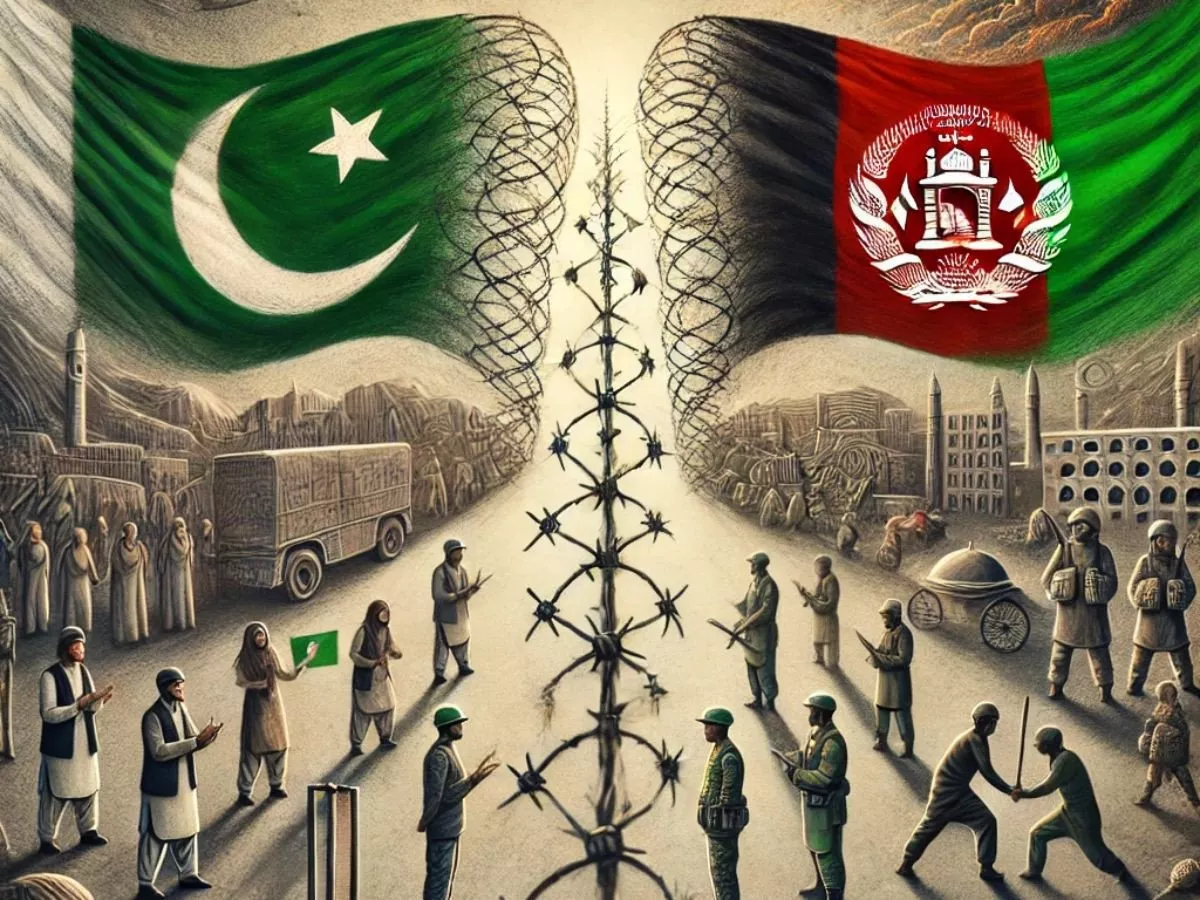
In the complex and often tumultuous relationship between Pakistan and Afghanistan, a new diplomatic signal emerges from Kabul that has the potential to shift the dynamics toward cooperation, stability, and peace. For decades, the two nations have been locked in a cycle of tension, exacerbated by cross-border terrorism and the ongoing use of Afghan soil by hostile elements targeting Pakistan. These tensions have hindered the possibility of forging a lasting relationship based on mutual trust and respect. However, a recent statement from Hamdullah Fitrat, the Deputy Spokesperson of the Islamic Emirate of Afghanistan, offers a refreshing change in tone that could lay the groundwork for a more constructive future. His public reassurance that Afghan soil will never be used against Pakistan, coupled with a call for increased diplomatic and economic cooperation, is a step in the right direction. This gesture signals a shift toward peaceful coexistence, but it is critical that such words are followed by meaningful action on the ground.
The affirmation by Fitrat that Afghanistan will not allow its territory to be used against Pakistan is a crucial moment for bilateral ties. For Pakistan, this assurance holds significant weight, as it directly addresses one of the most pressing concerns: the use of Afghan soil by anti-Pakistan elements for carrying out cross-border terrorism. The impact of such activities has been devastating for Pakistan, resulting in the loss of countless lives and contributing to regional instability. Fitrat’s statement, therefore, represents a responsible and mature diplomatic stance, one that seeks to alleviate the security concerns of Pakistan while simultaneously promoting regional peace. It is a signal of political maturity that is much needed in the volatile environment of South-Central Asia. By making such a commitment, Afghanistan acknowledges the importance of its role in ensuring regional security and stability, something that has often been overlooked in the past. This act of responsibility is an indication that Kabul is willing to engage with Pakistan in a manner that is respectful, constructive, and focused on mutual benefit.
In a significant development, both Afghanistan and Pakistan have agreed to elevate their diplomatic relations to the ambassadorial level. This move is far from symbolic; it is a concrete step that signals a genuine willingness to engage in sustained dialogue and institutionalize communication channels between the two countries. Diplomatic representation at the ambassadorial level is a critical component of international relations, as it allows for more effective communication and problem-solving at the highest levels of government. By upgrading their diplomatic relations, Pakistan and Afghanistan are demonstrating a shared interest in maintaining a peaceful and cooperative relationship. This development is particularly noteworthy because it signals the recognition by both nations that their future lies in collaboration, not conflict. This is a significant shift from the past, where diplomatic relations were often marred by distrust and hostility.
In addition to diplomatic engagement, economic cooperation has also emerged as a key area of potential collaboration between the two countries. Afghanistan’s commitment to supporting regional infrastructure projects, such as the Turkmenistan-Afghanistan-Pakistan-India (TAPI) gas pipeline, is a clear indication of Kabul’s intent to play an active role in regional economic development. This project, which aims to improve energy access and connectivity between the four countries, is a critical piece of regional cooperation that could benefit not only Afghanistan and Pakistan but also the broader South-Central Asian region. For Pakistan, this partnership is especially valuable as it seeks to diversify its energy sources and improve its energy security. TAPI, along with other regional projects, has the potential to strengthen economic ties between the two countries and create opportunities for mutual growth. By committing to such projects, Afghanistan is signaling that it is ready to embrace regional development as a means of enhancing its own economic stability. For Pakistan, this is a welcome development, as it offers the possibility of closer economic integration with Afghanistan and the broader region.
Equally important is Afghanistan’s acknowledgment of Pakistan’s crucial role in facilitating Afghan trade with the rest of the world. Pakistan has long served as Afghanistan’s gateway to international markets, with its land and sea routes providing vital access to global trade. This interdependence is not just a matter of convenience; it is a reflection of the deep economic ties between the two countries. Afghanistan relies on Pakistan for the transportation of goods, access to ports, and trade routes, while Pakistan benefits from Afghanistan’s trade as a source of economic activity and regional influence. This recognition of practical interdependence is a significant step toward building a more robust and mutually beneficial relationship. By acknowledging Pakistan’s role in this regard, Afghanistan is demonstrating a willingness to build upon existing economic ties and work together to foster greater trade and connectivity.
Read Also: Pakistan sets deadline for Afghan citizen card holders to leave
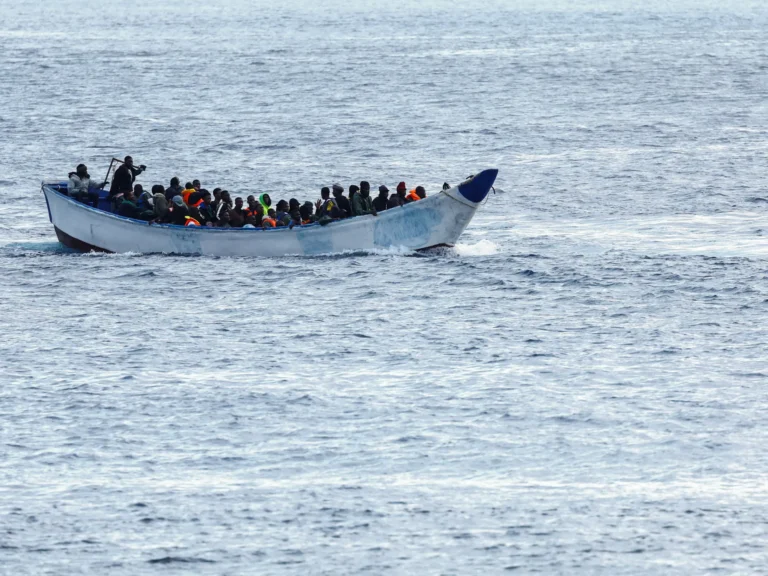
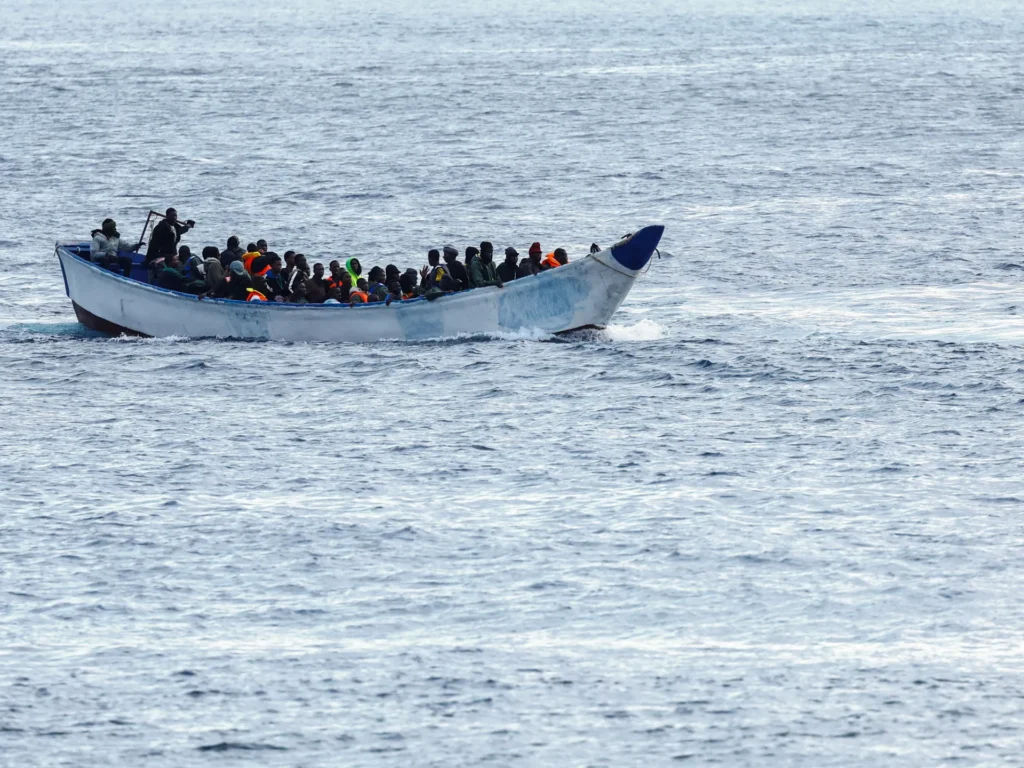
Another important area where the two nations are finding common ground is in the issue of refugees. Afghanistan has long been the source of one of the largest refugee populations in the world, with millions of Afghan refugees living in Pakistan for decades. Pakistan has shouldered the responsibility of hosting these refugees, providing them with shelter, education, and healthcare, despite its own socioeconomic limitations. However, the issue of refugees has often been a source of tension, as both countries have struggled to find a long-term solution. In his recent statement, Fitrat suggested that Afghanistan is ready to engage in a more bilateral and constructive approach to addressing the refugee situation. This is a promising development, as it indicates a recognition by Afghanistan that the refugee burden is not Pakistan’s responsibility alone. Instead, both nations must work together to address this humanitarian challenge, and in doing so, they can create a framework of cooperation that benefits both sides. If such cooperation is institutionalized through bilateral agreements and frameworks, it could pave the way for a more humane and organized approach to the refugee issue, which has plagued the region for decades.
While the words expressed by Fitrat are promising, the true test of these commitments will lie in their implementation. Diplomatic statements are important, but they must be backed by concrete actions on the ground. Afghanistan must ensure that there are no sanctuaries for militants on its soil, and it must take decisive action against groups that pose a threat to Pakistan’s security. Pakistan, on its part, must continue to foster an environment of open communication and cooperation, and it must respond in kind to Afghanistan’s efforts to improve bilateral relations. Only through sustained, concrete actions can the trust and goodwill generated by these statements be solidified.
Pakistan has long maintained that its desire is to have peaceful, sovereign, and mutually respectful relations with Afghanistan. It has expressed a commitment to regional cooperation and has facilitated cross-border trade to improve economic ties. Fitrat’s recent statement offers Pakistan an opportunity to reinvigorate bilateral systems, renew forums of cooperation, and build long-term structures of collaboration in security, commerce, and humanitarian issues. This is a moment that could set the stage for a more harmonious future, one where both nations can thrive together, overcoming the historical grievances that have long defined their relationship.
While challenges remain, the willingness to engage in dialogue, acknowledge mutual concerns, and pursue joint development projects is a step toward a more stable and prosperous future. As both countries work to implement these commitments, they have the opportunity to rewrite the history of their bilateral ties, one characterized not by mistrust and conflict, but by cooperation and mutual respect. The road ahead will not be easy, but with sustained effort and honest dialogue, it is a path worth pursuing.