
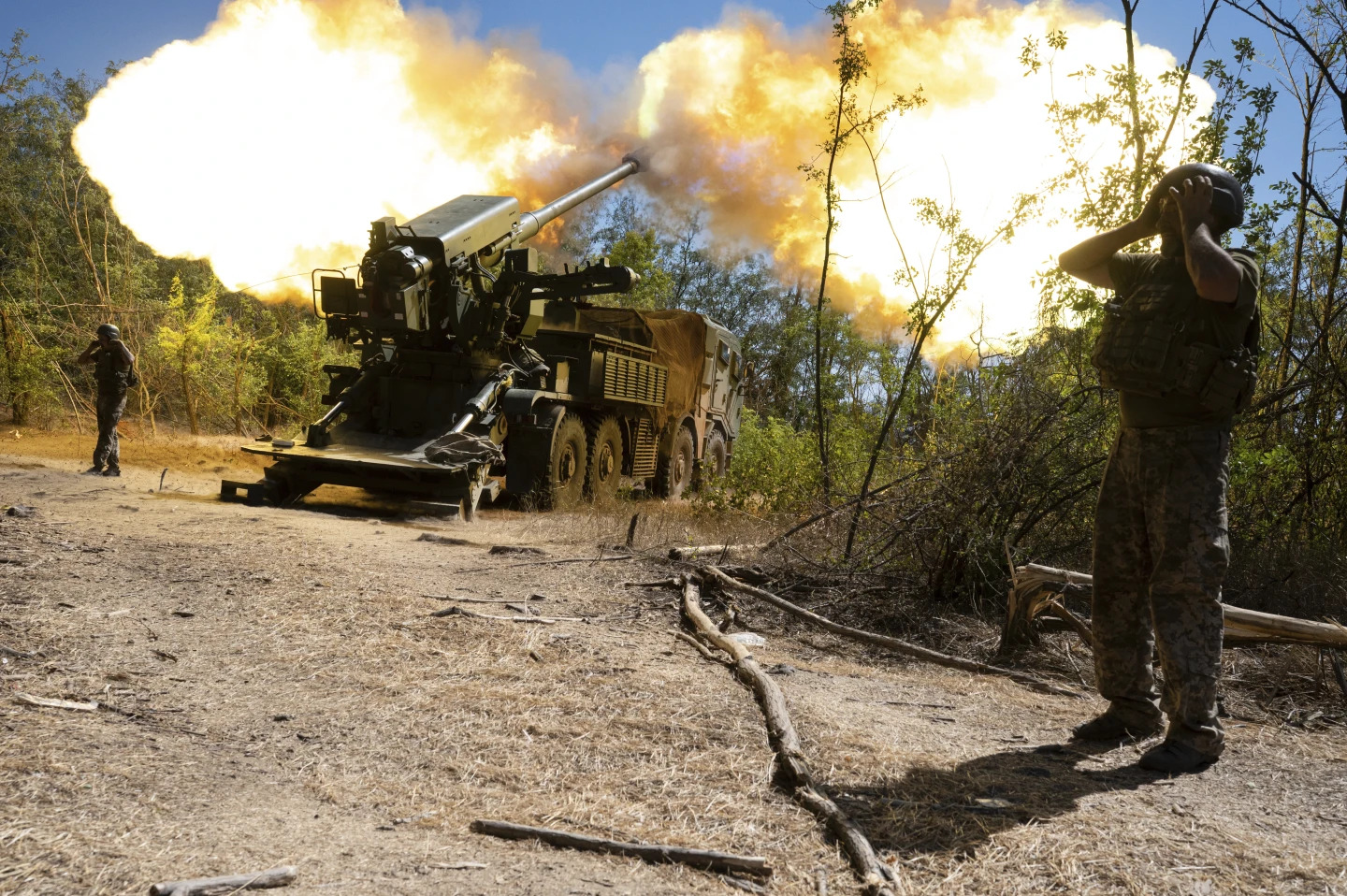
Russia launched one of its most intense aerial attacks in weeks, firing hundreds of drones alongside dozens of missiles at targets across Ukraine. Explosions and fires rocked western, central and southern regions overnight, leaving civilians dead and wounded and inflicting severe damage on homes, infrastructure and industrial sites.
Among the hardest-hit areas was the city of Lviv, where a strike claimed at least one life and injured several others. Farther west, in Mukachevo, an American-owned electronics plant was badly damaged, underlining Moscow’s willingness to hit industrial facilities linked to Western partners. Emergency crews battled through the night to rescue the injured and contain blazes triggered by the bombardment.
Ukrainian officials described the assault as one of the largest in recent memory, pointing to the unprecedented use of swarming drones designed to overwhelm air defenses. Analysts noted the barrage marked not just an escalation in scale but also a shift in strategy, with Russia increasingly relying on unmanned systems to penetrate fortified areas and reach deeper into Ukraine’s interior.
President Volodymyr Zelenskyy condemned the strikes as proof that Moscow has no interest in peace, even as diplomatic efforts intensify. The timing of the attack, coming just as international talks aimed at de-escalation were gaining traction, is being seen as an attempt by the Kremlin to strengthen its bargaining position through force.
While Moscow insisted its strikes were aimed at military and logistical hubs, the extensive civilian casualties and the destruction of residential neighborhoods fueled accusations that the assault was intended to sow terror and break morale. Local authorities warned of disruptions to electricity and gas supplies, urging civilians to remain in shelters while emergency teams worked to restore essential services.
The scale of the overnight attack has drawn alarm in Western capitals. Military planners are reassessing the resilience of Ukraine’s defenses and the need for additional support, especially as Russia demonstrates the ability to launch large, coordinated waves of drones and missiles. Analysts caution that if such strikes continue, they could reshape the dynamics of the war and heighten risks for the broader region.
For those caught beneath the bombardment, the human cost remains immediate and devastating. Families displaced from their homes, hospitals straining to treat the injured and communities left in darkness all bear witness to a conflict that shows no signs of easing.