
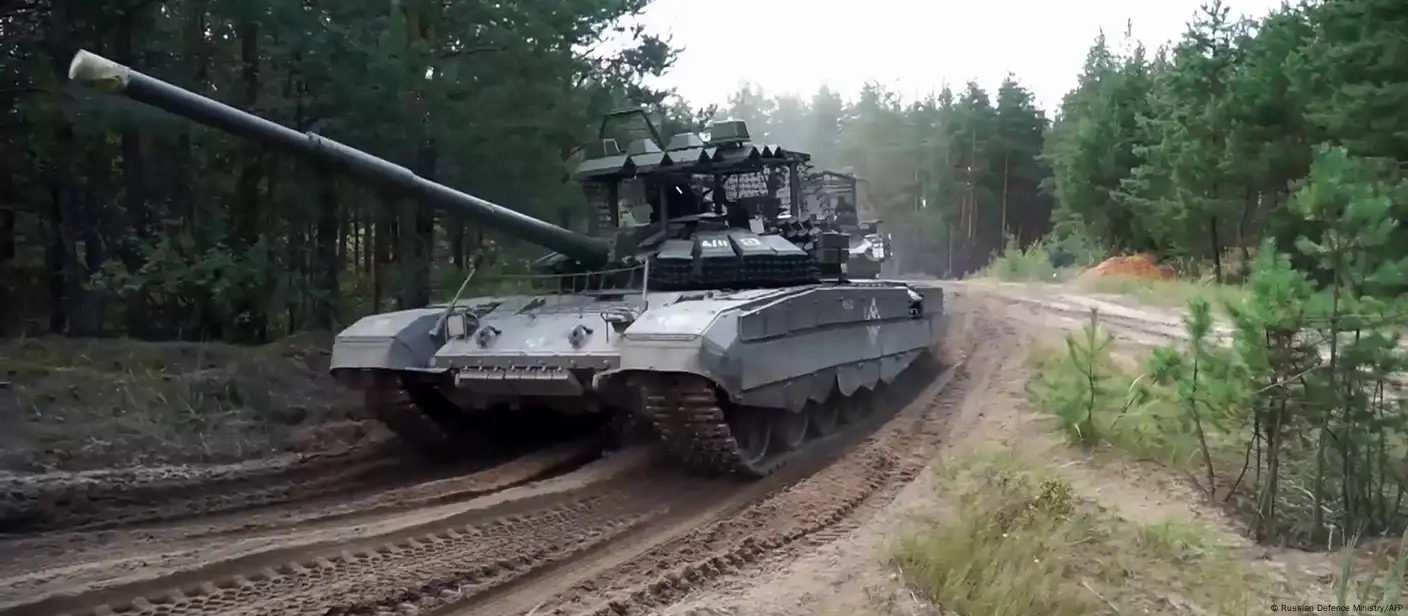
On 15th of September 2025, Russia and Belarus launched the joint Zapad-2025 military exercises, which were executed in order to showcase their bilateral readiness against NATO.
Zapad Drills, that have been held over time for every four years are often seen as a rehearsal for large-scale war against NATO, where thousands of troops, tanks, missile systems and warplanes gather together in order to test their preparedness based on a simulated war situation.
Previously such drills were held in 2021 and 2017 respectively, involving around 200,000 troops in one and 100,000 in the other. Over time these practices have included live-fire drills, missile launches, and large mechanised operations sparking concerns for NATO.
On one end, while Russia and Belarus continue these, Ukraine on the contrary, consistently maintains to monitor the Russian drone activities across the region, and according to various reports, it has been said that multiple Russian drones were noticed straying into the Romanian airspace during the time of attack on Ukraine.
As a response to this initiation the NATO nation dispatching its F-16 jets into the airspace in order to intercept the drones, however no such reports of strikes within Romanian territory have been yet confirmed.
Russia which is country currently battling a deadly war with Ukraine, recently also had some heated encounters with its counter-path NATO nation: Poland, whereby its drones were intercepted upon entering the Polish airspace seemingly heading towards the Rzeszów Airport, which is believed to be a major NATO logistics hub used to transport arms and supplies to Ukraine.
Analysing these situations from a global perspective, we have seen how nations like the United States, Germany, and the United Kingdom have condemned the drone violations, calling them reckless and destabilizing. Washington in specific warned that any repeat incidents threatening NATO territory would trigger “serious consequences,” while Berlin emphasised the need for dialogue to prevent accidental escalation.
Talking a look at China we see how the country takes a more cautious stance, urging restraint from both Moscow and NATO, framing the events as a result of “mutual provocation.”
At last, after these recent incursions into the NATO territories followed by the Zapad-2025 drills it is evident that a fear of major and abrupt escalation poses a greater threat to the entire region’s security, where NATO is not only looking at the world’s biggest nation by size, but also a nuclear power capable of mass atrocities.