
The year 2025 has marked a significant milestone in the history of Pakistan’s foreign policy, with the country successfully assuming the presidency of the United Nations Security Council (UNSC) in July. As the world’s most powerful multilateral institution, the UNSC presidency provided Pakistan with a strategic platform to address global and regional security issues. During this tenure, Pakistan actively promoted peace, multilateralism, and the solidarity of the Islamic world, positioning itself as a key player in the international arena. However, this period was also marked by India’s increasing isolation due to its worsening human rights record, which led to global criticism and eroded its credibility at the international level.
Pakistan in the UNSC
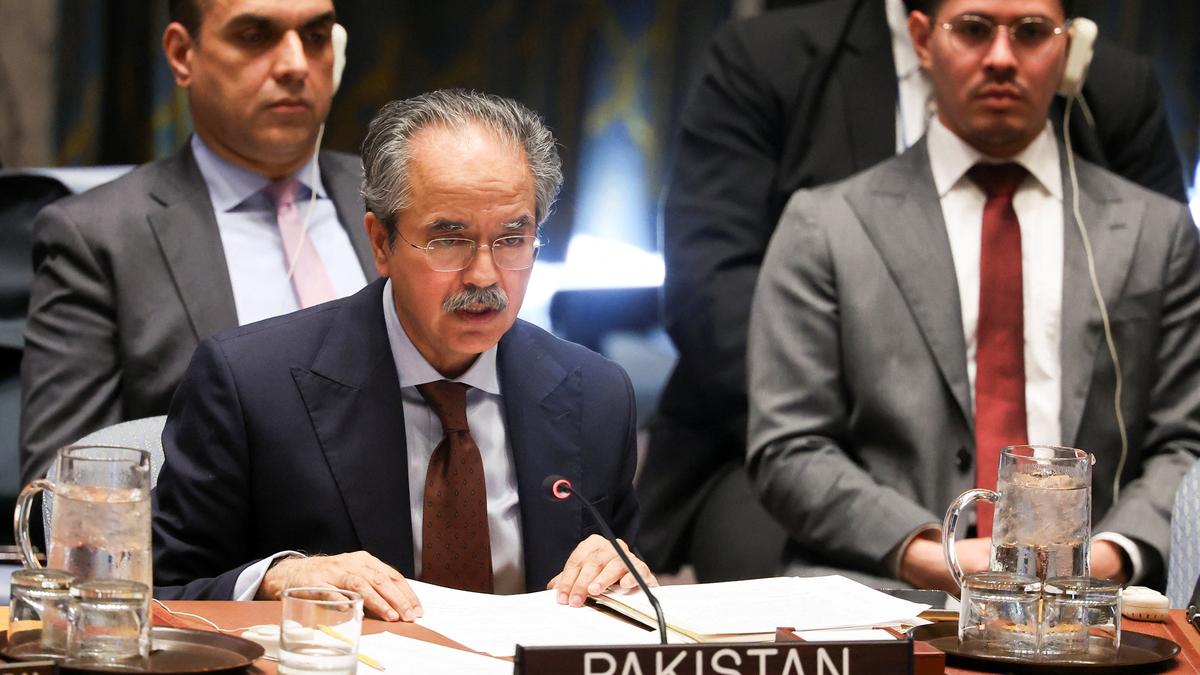
Pakistan’s presidency of the UNSC in July 2025 was a strategic opportunity for the country to amplify its voice on critical international and regional issues. Under the leadership of Pakistan’s Deputy Prime Minister and Foreign Minister, Mohammad Ishaq Dar, Pakistan chaired several important discussions. One of the key signature events organized during this period was a high-level open debate on “Promoting international peace and security through multilateralism and the peaceful settlement of disputes.”
This debate, which was attended by UN Secretary-General António Guterres, highlighted the importance of multilateral diplomacy in resolving international conflicts. Pakistan’s emphasis on multilateralism resonated with the global community, which has been increasingly critical of unilateral military interventions and the erosion of international cooperation.
Another pivotal focus of Pakistan’s UNSC presidency was the promotion of solidarity among Islamic countries, particularly through the Organisation of Islamic Cooperation (OIC). Pakistan used this platform to underscore the significance of Islamic world unity in tackling global challenges, including the ongoing crises in Palestine and Kashmir. The country’s advocacy for the Palestinian cause at the UNSC, coupled with its stance on Kashmir, reinforced Pakistan’s position as a strong voice for Muslim-majority nations on the global stage. This was a timely intervention, considering the shifting geopolitical landscape in the Middle East and South Asia, where Muslim nations face significant challenges in asserting their rights and securing peace.
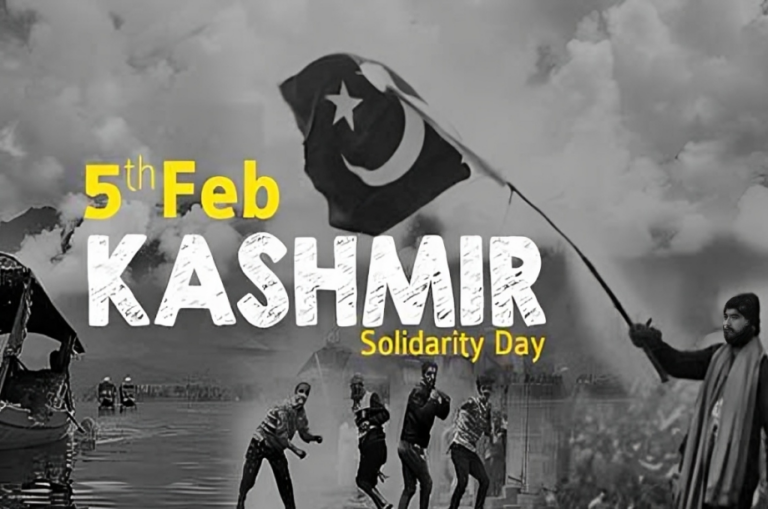
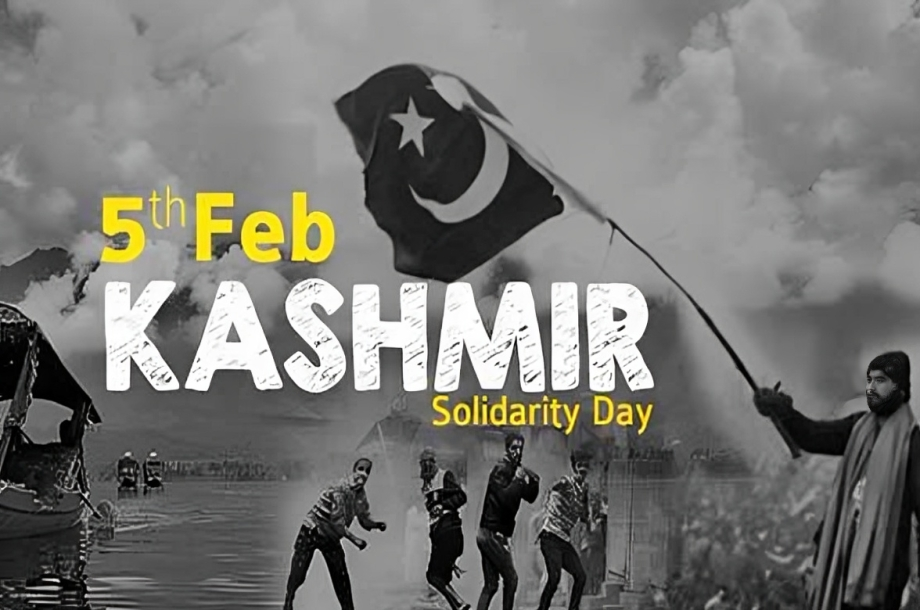
Furthermore, Pakistan’s presidency was characterized by its focus on regional security issues. The Kashmir dispute, long a source of tension between India and Pakistan, was brought to the forefront during Pakistan’s presidency. By highlighting the human rights violations in Indian-administered Kashmir, Pakistan drew international attention to India’s practices, which have been condemned by various human rights organizations. This was a diplomatic move that not only highlighted Pakistan’s commitment to advocating for peace and justice but also positioned it as a defender of human rights in the region.
Indian Human Rights record
In stark contrast to Pakistan’s assertive role on the global stage, India’s human rights record has come under increasing scrutiny, undermining its standing in the international community. Under the current government, India has been accused of systematic human rights violations that include the suppression of dissent, crackdowns on peaceful protests, and widespread persecution of religious and ethnic minorities. Credible reports from organizations like Human Rights Watch and Amnesty International have pointed to the Indian government’s increasingly authoritarian tendencies, which have resulted in a significant deterioration of democratic freedoms.
One of the most prominent areas of concern has been the treatment of Muslims, Dalits, Sikhs, Christians, and Adivasis, who have been subjected to violence, discrimination, and exclusionary policies. India has faced severe criticism for its crackdown on dissent, particularly with the use of draconian laws like the Unlawful Activities (Prevention) Act (UAPA), which critics argue has been used to silence political opposition and curtail freedoms of speech and assembly. The Indian government’s failure to address the rise of hate speech and religious violence has only exacerbated the situation, with reports of attacks on Muslim communities, forced conversions, and mob lynchings becoming more frequent.
International media outlets have repeatedly referred to India as the “Rape Capital,” a reference to the alarming rates of sexual violence, particularly against women from marginalized communities. This reputation has been fueled by reports of widespread sexual violence, including the use of rape as a tool of ethnic and religious persecution. Despite growing calls for accountability, the Indian government has often responded with denials, downplaying the severity of the situation and blaming external forces for the unrest.
Read Also: Pakistan urges UNSC for decisive action as Israel targets Gaza’s medical infrastructure
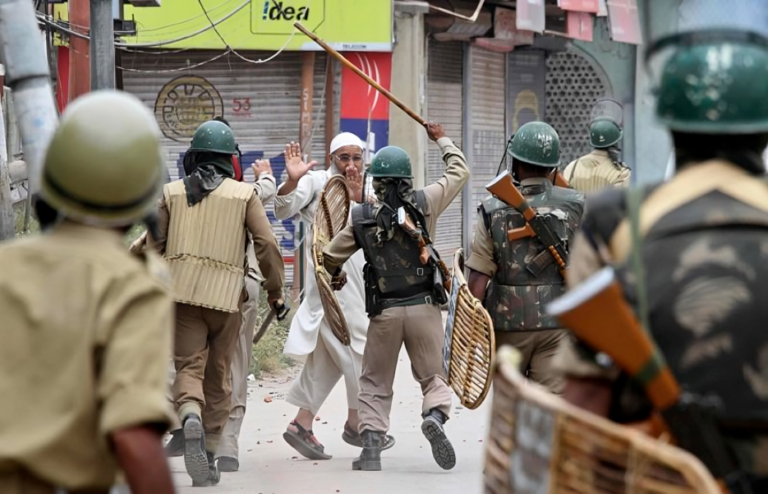
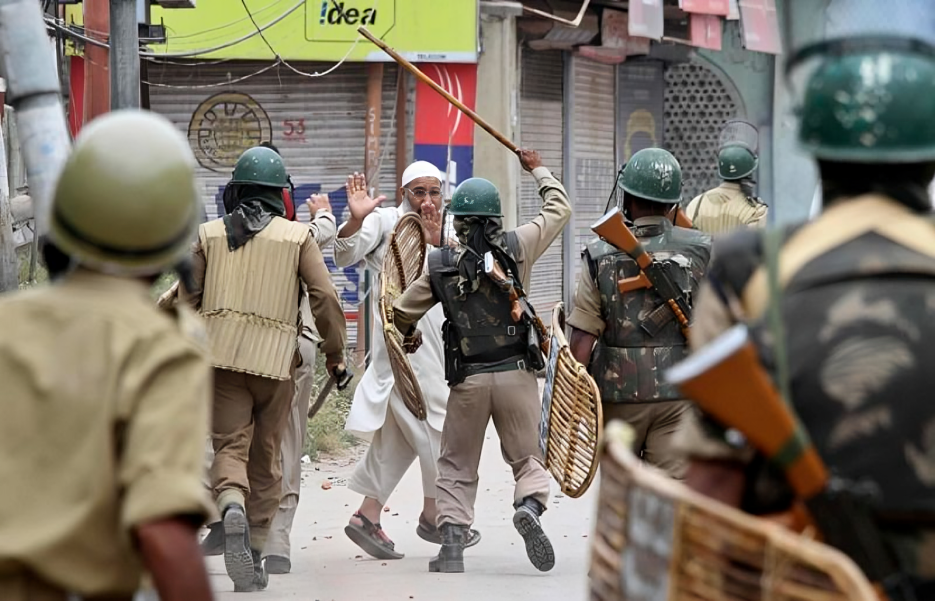
Moreover, the government’s policies in Jammu and Kashmir have garnered significant international condemnation. The revocation of Article 370 in 2019, which stripped Kashmir of its special status, was seen as a violation of international law by many experts. The imposition of a communications blackout and the arrest of political leaders in Kashmir have been widely criticized as an attempt to silence dissent and suppress the region’s demand for autonomy. The ongoing human rights violations in Kashmir, including the use of pellet guns, extrajudicial killings, and arbitrary detentions, have raised alarms about the Indian government’s commitment to upholding international human rights standards.
Global Condemnation
The international community’s response to India’s human rights abuses has been increasingly vocal. Multiple United Nations bodies, including the Human Rights Council, have raised concerns about the treatment of minorities in India. International leaders and human rights organizations have called on India to reform its policies and address the allegations of human rights violations. However, the Indian government’s response has often been dismissive, with officials claiming that external actors are attempting to interfere in India’s internal affairs. This stance has alienated India from its allies and led to growing isolation on the global stage.
In particular, India’s credibility crisis has been exacerbated by allegations of extrajudicial killings, fake encounters, and police abuses. Reports from independent sources suggest that the Indian police force has been involved in a series of extrajudicial executions, particularly in Kashmir, where security forces have been accused of targeting civilians under the guise of counterinsurgency operations. This has raised questions about India’s commitment to the principles of justice and human rights, leading to widespread condemnation from the international community.
Moreover, India’s international reputation has suffered due to its involvement in alleged covert operations against critics abroad. Reports of Indian intelligence agencies being implicated in the harassment and even assassination of critics in countries like Canada and the United States have further tarnished India’s image. These actions have raised serious concerns about India’s respect for international norms and its willingness to engage in covert operations against its critics, regardless of their location.
Pakistan’s presidency of the UNSC provided a stark contrast to India’s international crisis. While Pakistan focused on advocating for multilateralism, peaceful dispute resolution, and the promotion of human rights, India’s actions on the global stage were overshadowed by its deteriorating human rights record. Pakistan used its presidency to raise awareness about the ongoing crisis in Kashmir and the persecution of Muslim and other minority communities in India, positioning itself as a defender of human rights and justice in the region. By highlighting India’s human rights violations at a global forum like the UNSC, Pakistan effectively underscored its role as a responsible advocate for peace in a volatile region.
Furthermore, Pakistan’s active engagement with the OIC and its advocacy for the Palestinian cause reinforced its commitment to supporting the rights of oppressed communities globally. This stands in stark contrast to India’s disregard for international norms and its failure to address its human rights violations. As a result, Pakistan’s leadership at the UNSC was widely seen as a victory for human rights and multilateral diplomacy, while India’s human rights crisis only deepened, isolating it further from the global community.