
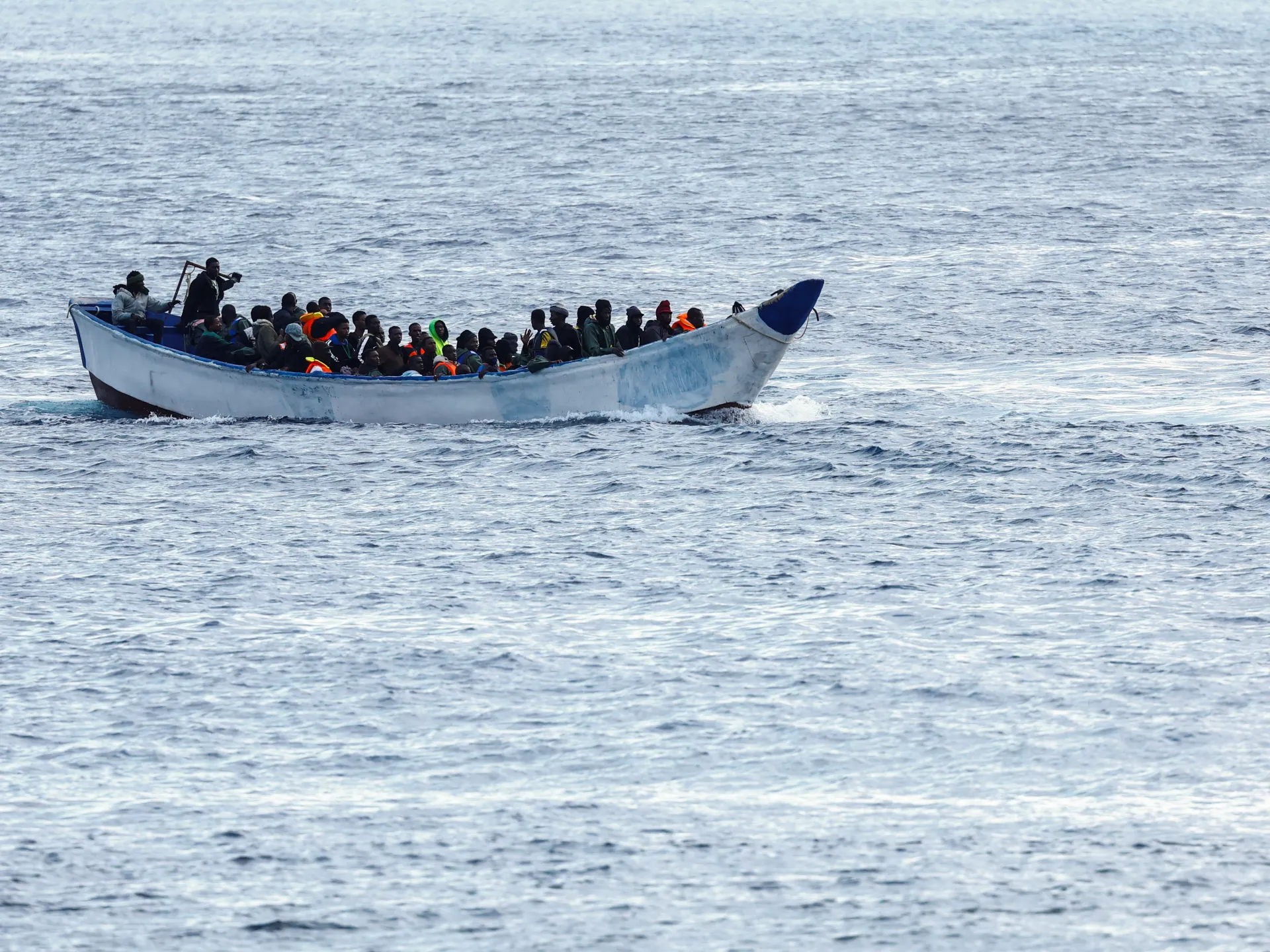
Illegal immigration has been a persistent issue globally, with various nations grappling with the socio-economic and security implications of undocumented migration. For Pakistan, this challenge has been particularly acute, driven largely by economic hardship, political instability, and the exploitation of vulnerable individuals by organized criminal networks. These networks often operate perilous land and sea routes, charging migrants exorbitant fees, sometimes up to Rs 2.5 to 3 million per person, for the promise of a better life in Europe and beyond. Tragically, these journeys often end in abuse, extortion, forced labor, and even death, with the risks compounded by the increasing sophistication of smuggling operations.
This article will examine the measures Pakistan has implemented to curb illegal immigration, with a focus on the legislative, enforcement, and international cooperation strategies that have yielded measurable results in recent years. Moreover, we will assess the human, societal, and financial impact of illegal immigration on Pakistan, as well as the positive outcomes of Pakistan’s comprehensive national response.
Societal Impact of Illegal Immigration
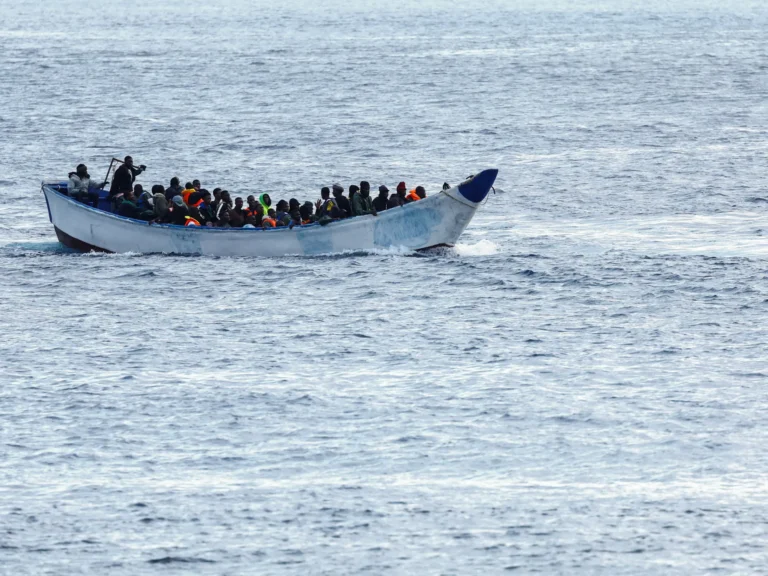
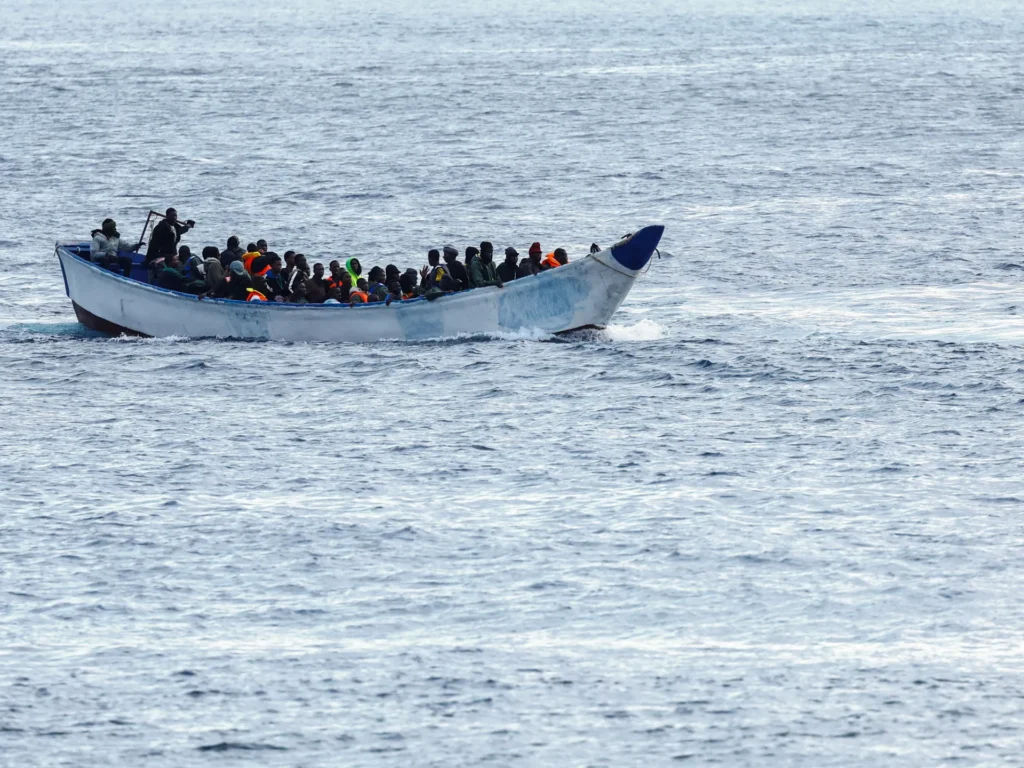
The human cost of illegal immigration from Pakistan has been devastating. One of the most harrowing incidents in recent years was the 2023 Adriana shipwreck near Greece, where 262 Pakistani migrants lost their lives. Similarly, the Mediterranean incidents in 2025 resulted in at least 83 deaths, with many other Pakistani nationals suffering horrific fates while being trafficked along dangerous routes. Thousands of individuals have faced inhumane conditions during their journeys, including detention, sexual exploitation, and forced labor.
Families left behind also experience prolonged emotional trauma, financial ruin, and uncertainty. Migrants who survive these dangerous journeys often become trapped in exploitative labor conditions, facing mounting debt bondage and extortion by the very networks that trafficked them. This creates a cycle of suffering that extends beyond the individuals involved, causing lasting damage to families and communities.
At a national level, the issue of illegal immigration is inextricably linked to organized transnational crime. Smuggling networks often overlap with criminal activities such as narcotics trafficking, financial crimes, and, more alarmingly, the potential financing of terrorism. These networks undermine Pakistan’s international credibility and national security, making it imperative for the government to take decisive action to curb the problem.
To better understand the scale of the issue, let us examine some key statistics that highlight the magnitude of illegal immigration from Pakistan to Europe:
- Pre-2020 Annual Attempts: Between 30,000 and 40,000 Pakistanis attempted to enter Europe illegally each year.
- Total Irregular Arrivals in Europe (2009–2024): Over 150,000 Pakistanis arrived in Europe through irregular migration routes during this period.
- Annual Average (2009–2023): Approximately 10,000 undocumented Pakistani migrants entered Europe annually.
- Decline in 2024: There was a 50% reduction in irregular arrivals, falling from around 10,000 in 2023 to approximately 5,000 in 2024.
- Decline in 2025: A further 47% reduction in illegal immigration to Europe, compared to 2024, marked a significant shift in trends.
These statistics not only reflect the extent of the illegal immigration problem but also underscore the success of recent measures aimed at addressing the issue.
Pakistan’s Multi-Pronged National Strategy
Pakistan’s response to illegal immigration has been comprehensive, involving legislative reforms, stringent border controls, enhanced enforcement efforts, international cooperation, and awareness campaigns. The country has also focused on addressing both the supply and demand factors driving illegal immigration.
One of the cornerstones of Pakistan’s strategy has been legislative reform. In February 2025, Pakistan’s Parliament enacted three specialized laws aimed at tackling illegal immigration, migrant smuggling, and organized begging abroad. These laws are designed to align with United Nations protocols and emphasize stringent penalties for traffickers, as well as provide protection for victims. Importantly, they also enhance inter-agency coordination, allowing various government bodies to work together more effectively in combating the issue.
Read Also: FIA detains two traffickers in Gwadar over illegal sea route to Iran
To curb illegal migration at the border, Pakistan has implemented stringent controls at airports, seaports, and land borders. These measures aim to detect forged documents and prevent high-risk travel. In 2025 alone, over 66,000 suspicious travelers were prevented from leaving the country. Additionally, Pakistan has introduced AI-based screening technologies, which further bolster the country’s ability to identify and intercept illegal migrants before they embark on dangerous journeys.
Pakistan has ramped up its enforcement efforts to dismantle criminal trafficking networks. In 2025, the Federal Investigation Agency (FIA) arrested over 1,700 traffickers and dismantled several major criminal organizations. These operations were supported by intelligence-led raids, investigations, and prosecutions, which led to a 47% decline in illegal immigration attempts to Europe. Furthermore, internal reforms in the FIA included the dismissal of the Director General and the removal of 196 officials involved in corruption or negligence related to trafficking activities.
Pakistan has significantly enhanced its cooperation with international organizations. Notably, Pakistan engaged with the European Union in December 2025, hosted the UNODC-EU Conference on Migrant Smuggling in November 2025, and launched the UN Migration Network in September 2025. These efforts have facilitated better intelligence-sharing, capacity building, and coordination, all of which contribute to more effective border management and trafficking prevention.
In addition to enforcement, Pakistan has focused on awareness campaigns to address the root causes of illegal immigration. These campaigns, which target the so-called “dunki” routes, aim to educate potential migrants about the dangers of irregular migration. Moreover, Pakistan has promoted legal skilled-worker migration as a safer and more sustainable alternative. The government has also expanded vocational training programs, ensuring that citizens have the skills necessary to pursue lawful employment abroad.
Positive Outcomes
Pakistan’s multi-faceted approach to combating illegal immigration has yielded positive results across several areas. As a result of these comprehensive measures, illegal immigration from Pakistan has significantly decreased. According to Frontex (European Border and Coast Guard Agency), irregular migration from Pakistan to Europe dropped by 50% in 2024, from approximately 10,000 arrivals in 2023 to about 5,000. This decline continued in 2025, with a further 47% reduction. The crackdown on trafficking networks has had a direct impact on organized crime. Thousands of traffickers have been arrested, and criminal networks have been dismantled, enhancing national security. By curbing illegal immigration, Pakistan has safeguarded its remittance flows, which are crucial for the economy. Additionally, families are spared from falling into debt, exploitation, and loss of assets due to the criminal activities of trafficking networks. Through its proactive measures, Pakistan has improved its international credibility. The country has become a credible partner in the global fight against illegal immigration, enhancing its relations with the European Union and the United Nations. With growing awareness and more accessible legal migration channels, public confidence in legal migration pathways has increased. Skilled-worker migration has become a viable and safer option for many Pakistanis seeking opportunities abroad.