
Pakistan-Tajikistan proposed to enhance relation in agricultural, trade, education and sport sectors
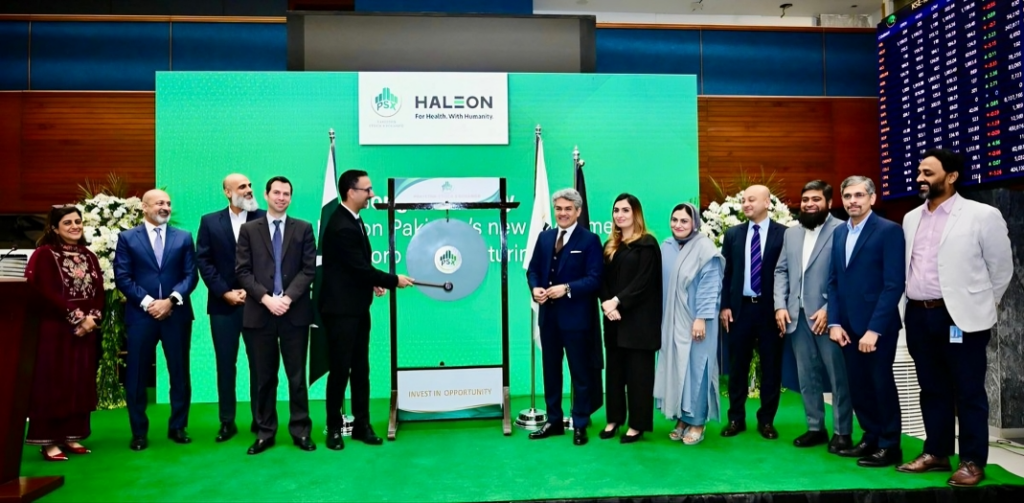
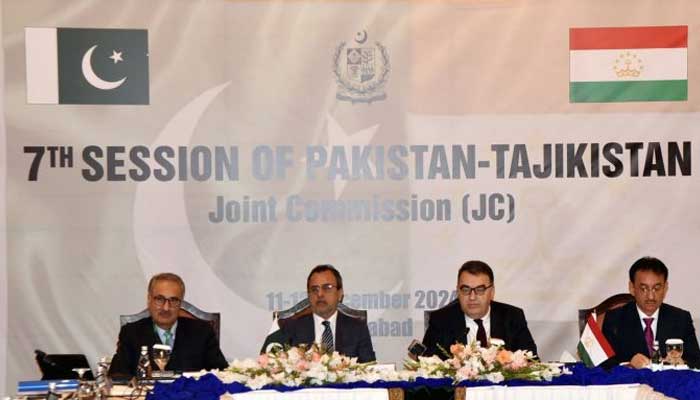
On Wednesday, Pakistan and Tajikistan reaffirmed their commitment to bolster bilateral cooperation. At seventh Pakistan-Tajikistan Joint Commission meeting in Islamabad, both countries signed two memoranda of understanding (MoUs). Minister of Economic Affair hosted this meeting.
The first MoU was about paving the way to strengthen cooperation and mutual development between two provinces: Khyber Pakhtunkhwa and Khatlon province of Tajikistan. The second MoU was a collaboration between both countries’ football federations to elevate the sports landscape.
Moreover, this year in July, Prime Minister Shehbaz Sharif visited the neighbouring country. On this two-day long visit, he signed multiple MoUs and expressed great satisfaction over the “steadily expanding bilateral cooperation.” Today’s meeting is the second important meeting in the series.
Separated by a narrow strip of the Wakhan Corridor, Tajikistan is the Pakistan’s closest neighbor in Central Asia. Pakistan was first to establish diplomatic relations with Tajikistan after recognizing its independence on 6th June 1992. Pakistan-Tajikistan relations based on commonalities of religion, history and culture. For centuries, peoples of two lands have enriched each other’s spiritual and cultural growth.
Furthermore, Kazim Niaz, Economic Affairs Secretary, shared the bilateral trade volume of $23.46 million in 2022-23. He emphasized the need to explore more trade opportunities on upcoming business-to-business forum on Dec 13.
In addition, the power minister Awais Leghari co-chaired this joint meeting. He called attention to the longstanding relation between Islamabad and Dushanbe. The power minister also put stress over the significance of undergoing plan of action to promote trade, eliminate barriers, and establishment of a Joint Coordination Committee under the Tajikistan-Pakistan Transit Trade Agreement.
Thus, the mutual cooperation, particularly, in energy, trade, agriculture, education, and industry will resolve trade issue and boost economic cooperation. This bolstering bilateral ties will unlock various opportunities for growth and prosperity. Leadership of the two countries is committed to deepen relations in the field of trade, connectivity and people to people contact.