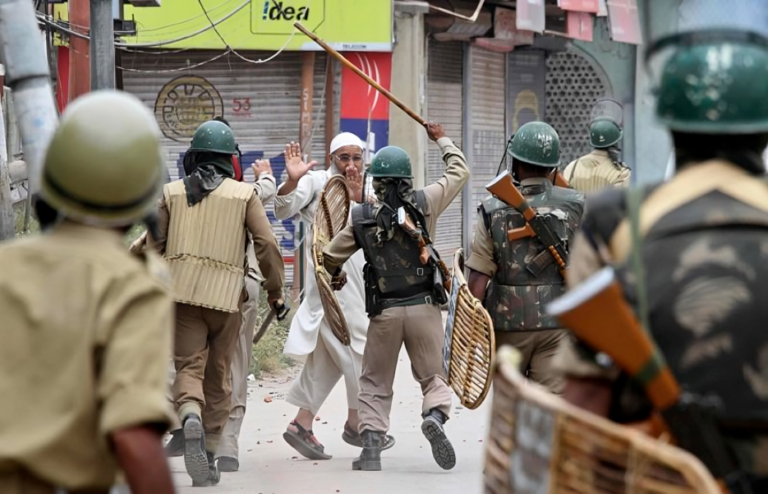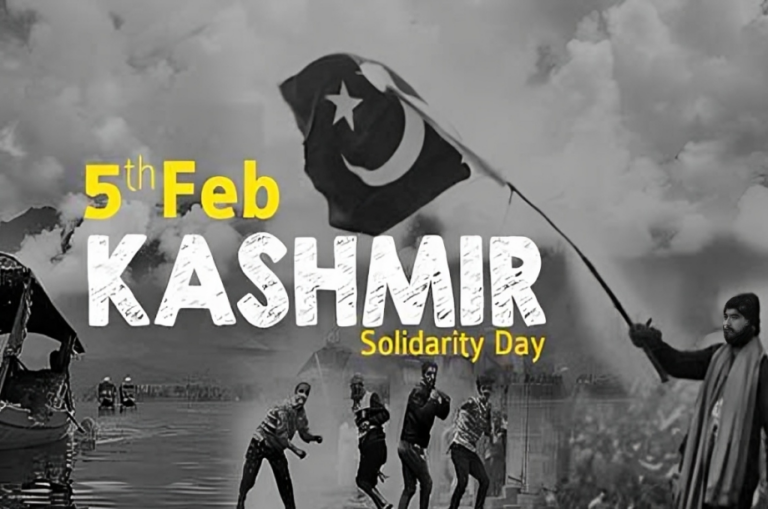

In the Indian-administered Jammu and Kashmir (IIOJK), the mental health crisis has escalated into a significant humanitarian concern, exacerbated by decades of violence, political instability, and systemic repression. This ongoing crisis has deeply affected the region’s youth and adult populations alike, with mounting psychological distress compounded by years of conflict, armed militancy, and human rights violations. The situation, which has worsened since the abrogation of Article 370 in 2019, has led to alarming statistics concerning mental health disorders such as depression, anxiety, and PTSD. On February 2, 2026, Waheed Ur Rehman Para, a prominent member of the Jammu and Kashmir Legislative Assembly (MLA), raised the alarm over the worsening mental health crisis in the region, urging both the Jammu and Kashmir government and the national government to prioritize mental health reforms and trauma healing.
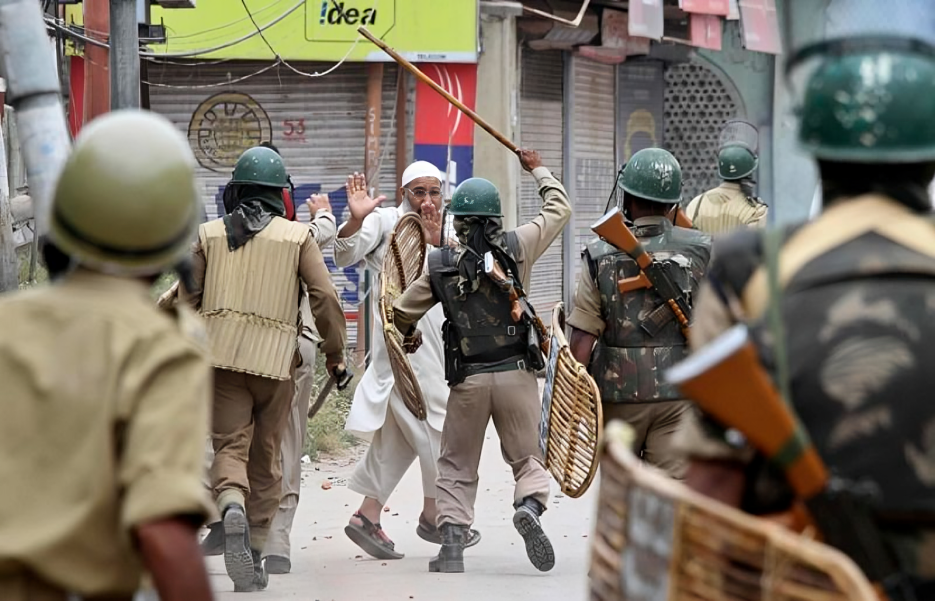
Para’s call to action is framed within the broader context of Jammu and Kashmir’s troubled history. From the onset of militancy in the late 1980s to the present-day aftermath of the revocation of Article 370, the region has been subjected to continuous armed conflict and severe governance challenges. For many, this has meant enduring years of violence, forced displacement, curfews, and heightened security measures, all contributing to an overwhelming sense of insecurity and despair. In this fraught environment, mental health has remained a neglected issue, despite its profound impact on the wellbeing of Jammu and Kashmir’s residents.
The severity of the mental health crisis in Jammu and Kashmir is evident from the troubling statistics shared by Waheed Ur Rehman Para, who cited data from Médecins Sans Frontières (MSF) and local health surveys. According to these reports, an alarming 41% of youth aged 15-24 in regions such as Pulwama, Baramulla, and Kupwara suffer from depression, while 26% are affected by anxiety disorders. More disturbingly, one in five of these youth exhibit symptoms of post-traumatic stress disorder (PTSD), a condition often resulting from exposure to violence, curfews, and extended periods of political instability. These figures significantly exceed the national average for India, with depression and anxiety rates considerably higher in Jammu and Kashmir compared to the national average of 7% and 3-5%, respectively, as reported by the World Health Organization.
The trauma affecting the youth of Jammu and Kashmir can be attributed to several factors: the exposure to violent conflict, the psychological toll of curfews and shutdowns, and the pervasive sense of fear that has permeated the daily lives of residents. With each generation born into a reality of armed conflict, a cycle of trauma has become ingrained, affecting the region’s collective psyche. For many, the result is an inability to fully recover from these experiences, with psychological scars persisting across generations.
Strained Healthcare System
The burden of mental health disorders has placed an immense strain on the region’s already overburdened healthcare system. The Institute of Mental Health and Neurosciences (IMHANS) in Srinagar, which is the primary mental health facility in the region, reports treating approximately 300-400 patients daily, with a significant rise in cases since 2019. Despite the growing demand for mental health services, the facility has only 60 inpatient beds, leaving many patients without the necessary care and treatment they require. In 2024, IMHANS recorded over 200,000 outpatient visits, highlighting the increasing strain on mental health resources in the region.
READ ALSO:The Kashmir Conflict: The Endless War Over Identity and Rights
The situation has worsened with limited government support and funding for mental health services. According to Para, the National Mental Health Programme allocated only ₹50 crore for mental health services in Jammu and Kashmir in the 2025-26 budget, a fraction of what is needed to address the region’s mental health crisis. This lack of funding and infrastructure has left many individuals without adequate treatment, contributing to the growing frustration and desperation within the population.
Impact of Governance
The political leadership in Jammu and Kashmir has been slow to address the region’s mental health crisis, with governance focusing primarily on security and law and order. Para has been vocal in criticizing the current National Conference-led government, accusing it of a “zero empathy” approach in its vision document for Jammu and Kashmir. He argues that the government’s focus on military operations and security measures has come at the cost of addressing the pressing humanitarian concerns of the population, including mental health. The deployment of additional troops and the continued militarization of the region have exacerbated the trauma experienced by the people, creating an environment of fear and alienation.
In response to these shortcomings, Para introduced the “Jammu and Kashmir Reconciliation, Trauma Healing and Dignity Bill, 2026” in the Legislative Assembly. The bill seeks to establish a statutory framework for trauma healing, psychosocial rehabilitation, and restorative dialogue. It aims to integrate these efforts with the Mental Healthcare Act of 2017, ensuring that mental health support becomes a fundamental component of the region’s governance priorities. The bill also proposes the establishment of community-based healing centers in districts like Srinagar, Anantnag, and Baramulla, where the trauma caused by decades of conflict can be addressed through localized and accessible services.
Intergenerational Trauma and Economic Distress
While the mental health crisis is primarily linked to the violence and instability in Jammu and Kashmir, other factors, such as economic distres,s have also played a significant role in exacerbating the situation. According to recent studies, unemployment in the Kashmir Valley has reached 18%, contributing to rising levels of poverty, hopelessness, and mental distress. The pervasive sense of economic stagnation, coupled with the psychological toll of ongoing conflict, has created a generation of young people struggling to cope with the weight of both economic and emotional burdens.
Furthermore, substance abuse has emerged as a growing issue in Jammu and Kashmir, with 15,000 opioid-related admissions recorded in 2024 alone. This surge in substance abuse can be attributed to the lack of opportunities, the constant state of fear, and the overwhelming sense of helplessness felt by many residents, particularly the youth. The proliferation of substance abuse not only worsens the region’s mental health crisis but also creates additional societal problems that are difficult to address without comprehensive interventions.