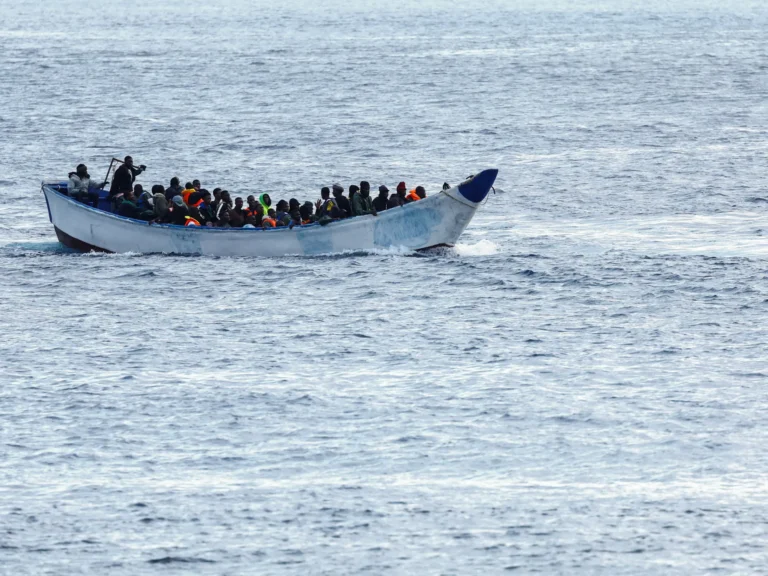

On August 16, 2025, the Israeli military announced it will begin serious preparations to relocate Palestinians from active combat zones in northern and central Gaza to designated “safe zones” in the south starting Sunday, deploying massive tents, basic shelter supplies, and logistical support via the Kareem Shalom crossing under United Nations and other international organizations’ oversight after security inspections.
Israeli Prime Minister Benjamin Netanyahu emphasized that civilians must evacuate before initiating a major military push in northern Gaza City—currently the main Hamas stronghold—with Defense Minister Israel Katz affirming that detailed plans for the offensive and relocation effort remain under discussion but remain crucial for reducing civilian casualties while restoring security
COGAT, Israel’s coordination authority for civilian affairs in the territories, will facilitate shelter distribution, although officials have not clarified whether the aid is intended to accommodate the approximately one million residents of Gaza City nor confirmed whether areas such as Rafah will serve as final destinations.
Humanitarian groups like OCHA, MSF, and the ICRC warn that southern Gaza is catastrophic and worsening under the current displacement plans.
They say relocation could spark a deeper crisis unless aid convoys, fuel supplies, and medical teams receive immediate and unrestricted access.
Many organizations are scaling operations by deploying mobile clinics, distributing water tablets, and building sanitation stations for displaced Palestinians in the south.However, Israeli restrictions and heavy combat near key roads have severely limited humanitarian access and delayed crucial relief deliveries.
UN officials called the relocation coerced, urging Israel to stop military actions that force civilians to flee without real safety. Several rights groups said moving civilians without plans or guarantees for return could breach the Fourth Geneva Convention and international law.
Critics, including Palestinian leaders and international human rights groups, strongly oppose the initiative, characterizing it as an act of forced displacement in violation of international law that risks permanently displacing Palestinians, despite government claims it offers voluntary relocation to reduce civilian harm.
Meanwhile, reports of discussions between Israeli and South Sudanese officials surfaced regarding resettling Palestinians abroad, although both sides have denied any formal agreement; Palestinian authorities condemned the possibility as an echo of the Nakba, accusing Israel of pursuing a policy aimed at permanent depopulation of Gaza.
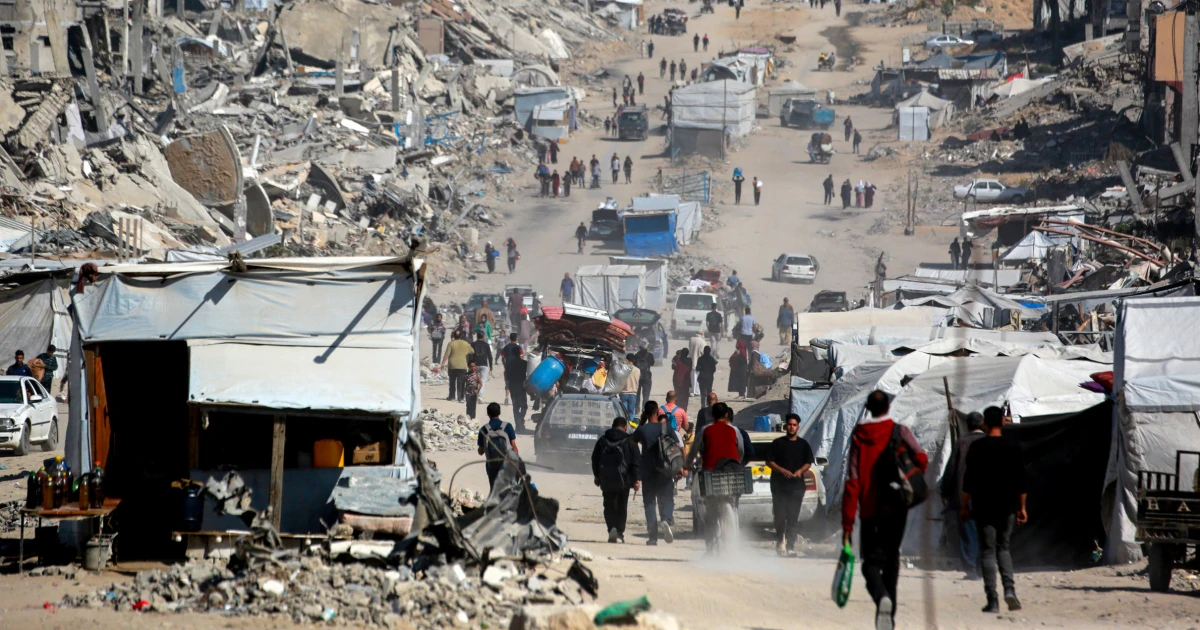
The relocation plan unfolds amid an intensifying humanitarian catastrophe—Israel has launched a new offensive in neighborhoods such as Zeitun and Shejaia, triggering widespread displacement, escalating civilian suffering, severe food shortages, and mounting International alarm regarding such a drastic escalation in forced transfers and military pressure.