
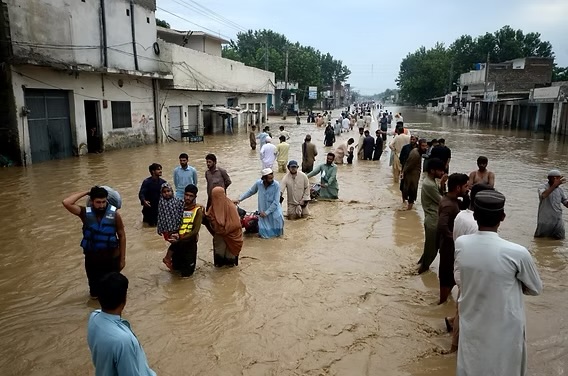
India issued three flood alerts to Pakistan with a caution regarding cross-border flooding since Sunday, August 24, as both countries continue to battle deadly floods and persistent monsoon rains in the South Asian region.
According to the officials, the information sharing from the New Delhi came through the diplomatic channels instead of the permanent mechanism, Indus Waters Commission (IWC). IWC was created under the 1960 World Bank-brokered Indus Water Treaty (IWT). India stated this action as being made on humanitarian grounds, though the deviation from the formal treaty framework has raised concerns over a possible breach of international obligations.
This move from India was regarded as an astonishing one. As India had suspended a decades-old water sharing treaty with Pakistan on 23 April 2025. Following a deadly attack on Hindu tourists in Indian administered Kashmir that it linked with Pakistan. Pakistan denied all the allegations regarding the involvement. However the tensions further escalated in May, resulting in the most serious military confrontation between the nuclear-armed neighbors in decades.
Legal Frameworks and India’s Responsibility Under the IWT:
As Pakistan, continues to face grave conditions due to flood crises, officials claim the situation got amplified and worsened chiefly because of the abrupt water releases, from Indian dams combined with the suspension of Indus Water Treaty (IWT). Additionally, India’s act of negating the 1960(IWT), formal framework which legally binds both countries to share advance notice of extraordinary water discharges, raises the concerns regarding transboundary water cooperation and humanitarian responsibility.
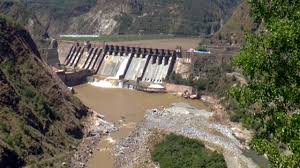
Furthermore, under the articles IV-8 and IV-9 of the treaty, that emphasizes the obligation to prevent material damage through timely communication and responsible dam operations, also raises questions about the critical role of India for not upholding its duties. As rivers like Chenab, Ravi, and Sutlej reach dangerously high levels, the action has sparked worries about India’s failure to issue timely flood warnings.
Delayed Warnings and rising crises for Pakistan:
Despite taking the immediate action on the warnings signaled from India, the officials informed that the formal alerts shared by India in the previous days were not sufficient in taking preventive measures well in time. It was primarily due to the fact that contrasting earlier practices. India did not share the data regarding its releases from all its water reservoirs on eastern rivers. Moreover, the insights highlight there was an alleged lapse in information sharing from India, leaving Pakistan with less leverage to mitigate the impact of floods.
The combination of heavy monsoon rains and the postponed or unexpected water releases from Indian dams is intensifying the nation’s water crisis and raising the possibility of widespread food insecurity and public unrest, as it is threatening the nation’s agricultural sector, economic stability, and water security.