
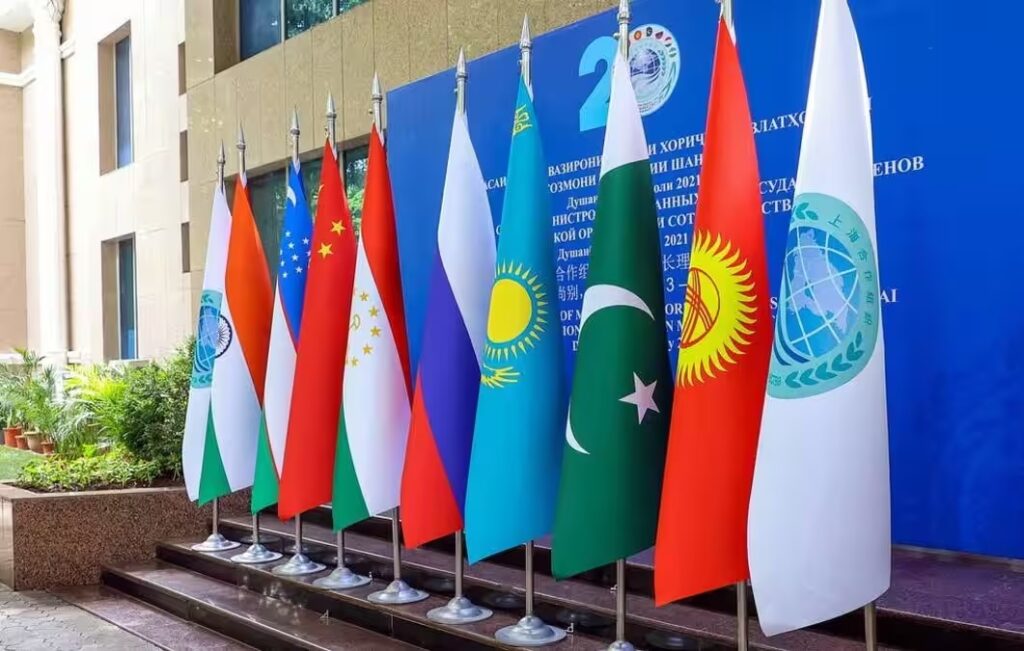
The Shanghai Cooperation Organization (SCO) stands as one of the most influential multilateral platforms in the Eurasian geopolitical landscape. Founded in 2001, it has evolved into a significant body, promoting regional cooperation across Central Asia, Russia, China, and South Asia. To enhance multilateral engagement on issues ranging from economic cooperation to security concerns, the SCO has become an increasingly powerful geopolitical tool. Yet, recent objections raised by India regarding the inclusion of Türkiye and Azerbaijan in the upcoming SCO summit reveal an uncomfortable truth: India’s reluctance to embrace the growing diversity and openness of the organization, potentially undermining its inclusive nature.
Türkiye and Azerbaijan hold the status of “dialogue partners” within the SCO; their increased participation at the summit marks a step towards deeper integration. Türkiye and Azerbaijan have long sought to elevate their status within the organization, from mere dialogue partners to full-fledged members. This ambition is being actively supported by both China and the SCO leadership, underscoring the growing alignment between these nations and the SCO’s wider strategic objectives. However, India’s objections to this potential inclusion raise significant concerns about the organization’s future trajectory.
The SCO Charter and Inclusive Membership
The SCO’s governing document, the Charter, clearly outlines the principles under which membership is extended. Article 13 of the SCO Charter states, “the membership of the Organization shall be open for other States in the region to respect the objectives and principles of this Charter” and other relevant international treaties. This provision sets the framework for SCO’s expansion and inclusivity, underscoring its intention to welcome new members that align with its core values and objectives. In this context, both Türkiye and Azerbaijan meet the criteria for potential membership. Their participation in the summit serves as an essential step in integrating these countries more deeply into the SCO framework, reflecting the organization’s evolving approach to Eurasian multilateralism.
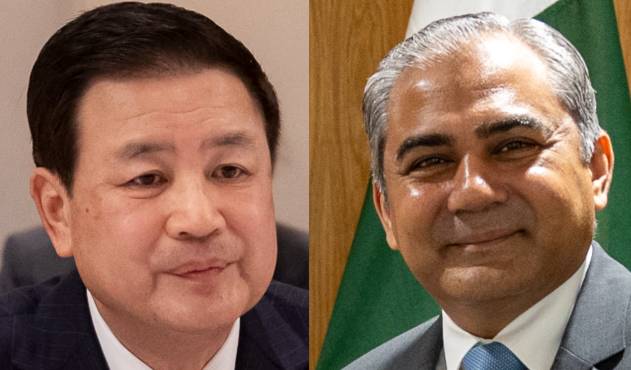
The SCO’s broader engagement with Eurasian nations signals a shift in regional dynamics, driven by the necessity for greater connectivity and cooperation between East and West. For Türkiye, a NATO member, the SCO represents a unique opportunity to bridge the divide between Western and Eastern spheres of influence. Despite its NATO membership, Türkiye has been an active participant in SCO activities, with SCO Secretary-General Zhang Ming acknowledging its contributions as a constructive force in regional multilateralism. This dynamic, where a NATO member engages within an organization traditionally viewed as a counterbalance to Western institutions, highlights the SCO’s ability to transcend traditional geopolitical alignments.
Azerbaijan, strategically located at the crossroads of Europe, the Caucasus, and Central Asia, offers the SCO a valuable link to the South Caucasus. Azerbaijan’s vast energy resources, including key oil and gas pipelines, position it as a crucial player in regional energy security. Its inclusion in the SCO could provide the organization with enhanced influence over energy flows, crucial for enhancing Eurasian connectivity. The potential membership of both Türkiye and Azerbaijan signals a strategic shift in the SCO’s openness, moving beyond the confines of traditional Central Asian states to embrace countries with diverse geopolitical alignments.
Indian Objections
India’s objections to Türkiye and Azerbaijan’s participation in the SCO summit are rooted in its broader strategic objectives, particularly its desire to maintain dominance in the South Asian region. India’s actions, including its boycotts of products and suspension of flights, reveal a pattern of punitive measures aimed at countries pursuing an independent foreign policy. This behavior is reflective of India’s approach to the SCO, which has often been characterized by a selective and self-serving interpretation of the organization’s principles.
One of the key reasons for India’s opposition to Türkiye and Azerbaijan’s membership is its strained relationship with both countries, particularly in the context of regional alliances and geopolitical competition. India views the increasing alignment between Türkiye, Azerbaijan, and Pakistan, as a potential challenge to its influence in the region. The “Three Brothers Alliance” between Pakistan, Türkiye, and Azerbaijan—cemented by shared historical, cultural, and political ties—has gained significant momentum, particularly during the Indo-Pak standoff of 2025. The inclusion of Türkiye and Azerbaijan in the SCO would further bolster this trilateral engagement, offering these countries a multilateral platform to advance their shared interests and counterbalance India’s regional influence.
Read Also:SCO Summit Concludes in Tianjin: A Milestone for Regional Cooperation and Multipolarity
India’s actions at the SCO Defence Ministers’ meeting in Qingdao in June 2025 further illustrate its antagonistic stance towards regional cooperation. By declining to sign a joint statement that omitted the issue of terrorism, India effectively undermined the SCO’s potential for collective action on critical security matters. This stance not only diluted the effectiveness of the organization but also demonstrated India’s tendency to prioritize its national agenda over the organization’s spirit of cooperation. Furthermore, India distanced itself from the SCO statement condemning Israeli strikes on Iran, which violated Iran’s territorial sovereignty and international norms. In both instances, India’s actions smacked of a broader attempt to manipulate the SCO platform for its own political and strategic purposes, rather than fostering an inclusive, cooperative environment.
Türkiye and Azerbaijan’s Alignment with the SCO Principles
Despite India’s objections, both Türkiye and Azerbaijan have shown a clear alignment with the SCO’s foundational principles, particularly in the areas of conflict resolution and multilateral diplomacy. Azerbaijan, in particular, has demonstrated its commitment to peaceful settlement and multilateral engagement. Following the 2020 Nagorno-Karabakh conflict, Azerbaijan accepted the Russia-brokered ceasefire agreement, which respected the principles of multilateral negotiation and peaceful settlement. This approach is in line with the SCO Charter’s Article 9, which calls for member states to “cooperate in the prevention of international conflicts and in their peaceful settlement.” Similarly, Türkiye has been actively involved in multilateral peace efforts, notably in the Syrian conflict, where it engaged in the Astana Process alongside Russia and Iran to facilitate dialogue and resolve the crisis.
The diplomatic engagement of both Türkiye and Azerbaijan in conflict resolution underscores their alignment with the SCO’s core objectives of peace, security, and regional stability. Their inclusion in the organization would not only strengthen the SCO’s ability to address regional challenges but also enhance its role in fostering constructive dialogues between states with divergent interests.
The Importance of Pakistan’s Support
As a full member of the SCO, Pakistan holds a crucial position in shaping the organization’s future trajectory. Given its historical ties with both Türkiye and Azerbaijan, Pakistan should actively support their elevation to full membership in the SCO. By doing so, Pakistan would uphold and reinforce the spirit of the SCO, which has always been grounded in inclusivity, cooperation, and regional stability. India’s attempts to undermine the SCO’s inclusivity must be countered by states that believe in the organization’s core values.
Moreover, Pakistan’s support for Türkiye and Azerbaijan’s membership would also enhance its own strategic position within the SCO, offering an opportunity to strengthen regional partnerships and advance shared regional interests. As the SCO continues to expand its scope and influence, the active participation of Türkiye and Azerbaijan would contribute to a more diverse and inclusive organization, capable of addressing the complex challenges facing the Eurasian region.