
Hamas has informed Egyptian and Qatari mediators that it is prepared to accept a proposal for a 60-day ceasefire with Israel, which would involve the gradual release of hostages held in Gaza in exchange for Palestinian prisoners. The development, confirmed by sources to Reuters and TRT Global, offers a rare opening for the first extended halt in fighting and could ease the severe humanitarian crisis gripping Gaza.According to negotiators, the plan outlines a phased exchange: around half of the remaining Israeli hostages would be freed in the first stage, while Israel would release Palestinian detainees. The proposal also includes arrangements for aid convoys carrying food, medicine, and fuel to safely enter Gaza, where shortages have pushed the enclave to the brink of collapse.
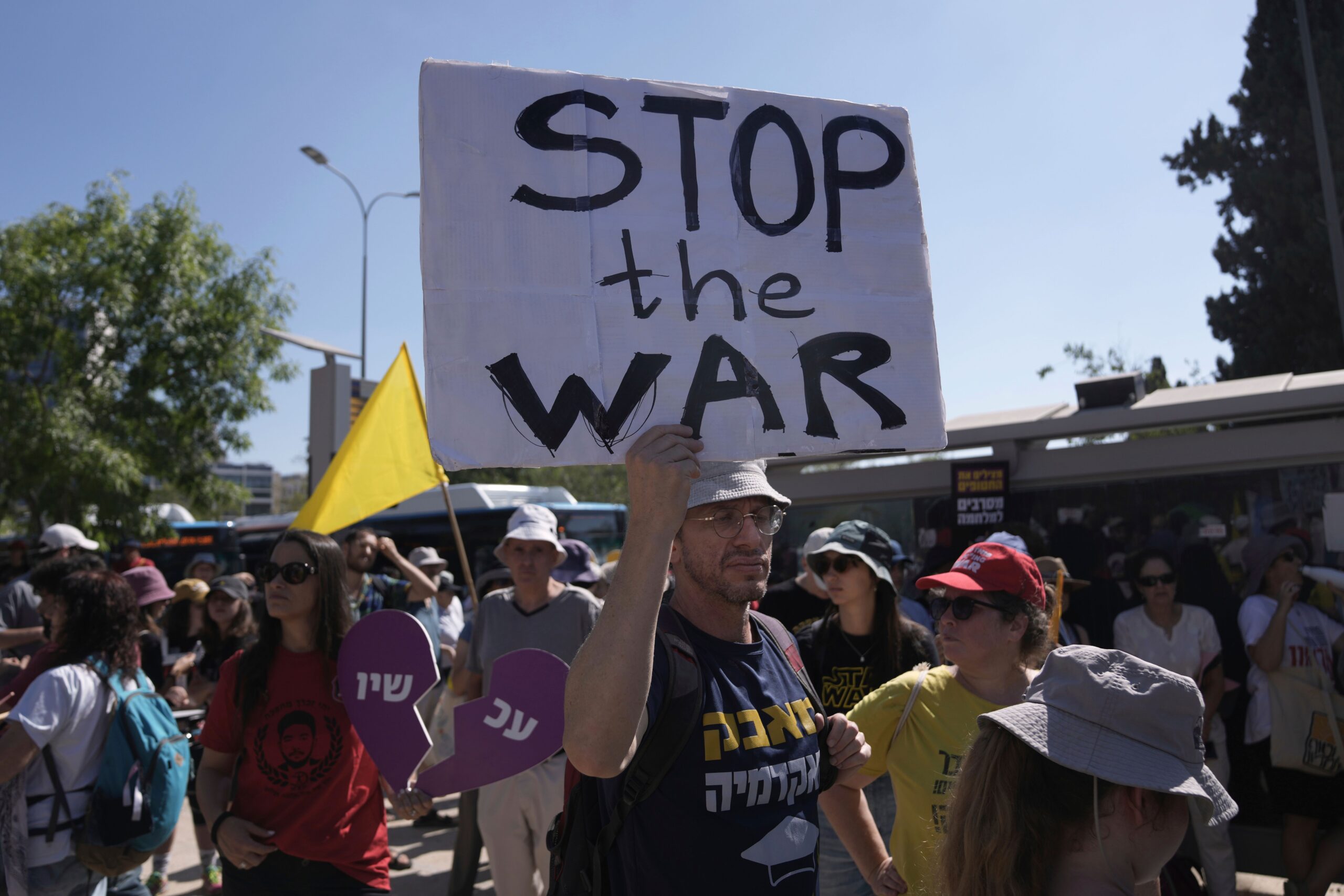
Israel, however, has not formally endorsed the terms. Prime Minister Benjamin Netanyahu’s government insists any deal must guarantee the release of all hostages and prevent Hamas from rearming. The Israeli leadership faces mounting domestic pressure, with weekly protests demanding urgent action to bring hostages home, even as some political allies caution against concessions they fear could strengthen Hamas.
Talks have been coordinated in Cairo, where Egyptian and Qatari envoys supported by U.S. mediation have been working intensively to bridge gaps between the two sides. Observers note that the draft closely resembles a U.S.-backed framework designed to balance humanitarian relief with Israel’s security demands. Still, previous efforts to broker truces have broken down over disputes about the sequencing of prisoner exchanges and how to monitor compliance.Aid organizations have stressed that even a temporary truce is vital to prevent further catastrophe in Gaza, where hospitals are overwhelmed, food is scarce, and clean water is in short supply. Humanitarian agencies argue that a sustained pause is the only way to scale up relief operations and avert further loss of life.
Despite Hamas’s acceptance, significant hurdles remain. Israel has repeatedly warned it will not agree to terms that allow Hamas fighters to regroup, while Hamas continues to push for longer-term guarantees, including easing the blockade of Gaza. Mediators say the success of the proposal hinges on strong verification systems, third-party monitoring, and clearly defined timelines.
For now, Hamas’s signal of approval marks a notable diplomatic opening, but whether it becomes a concrete agreement depends on Israel’s response and the ability of mediators to translate tentative consent into a binding, enforceable deal.