
A Delicate Balancing Act
Central banks around the world are walking a tightrope in 2025. After two years of aggressive rate hikes to cool post-pandemic inflation, many economies now face slower growth and easing price pressures, yet inflation has not disappeared. This delicate balance is shaping a new phase of monetary policy where caution is the guiding principle.
United States and Europe Hold Steady
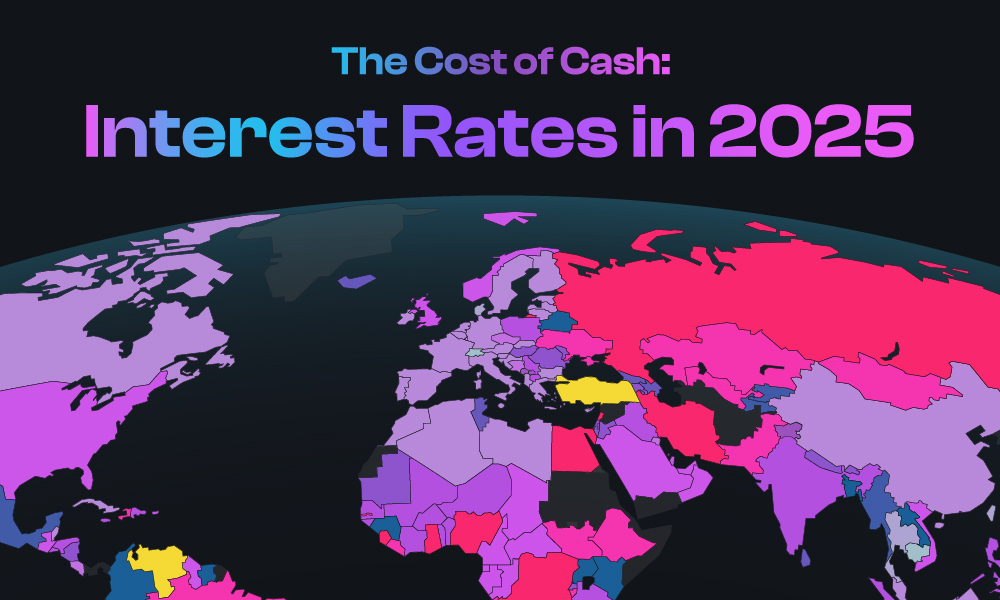
In the United States, the Federal Reserve has kept the federal funds rate steady at 4.25–4.50 percent, signalling that rate cuts will only come once inflation proves it is firmly on a downward path. Markets expect the first trim later this year, but officials remain wary of declaring victory too early. Across the Atlantic, the European Central Bank has adopted a similar stance, holding key rates near 2 percent while closely watching energy costs and wage growth.
Emerging Economies Begin to Ease
Some economies, however, are already loosening policy. Russia recently lowered its policy rate by a full percentage point to 17 percent as growth slowed and inflation began to retreat. Thailand has cut several times to support lending and investment, while India delivered a larger-than-expected 50-basis-point reduction to encourage domestic demand. Pakistan’s central bank has opted for patience, keeping its benchmark at 11 percent to guard against food-price shocks and currency pressure.
Key Challenges Ahead
These diverging moves highlight a shared dilemma: too much easing could reignite inflation, while keeping rates high risks choking off recovery. The effects of monetary policy also arrive with a lag, meaning today’s decisions will ripple through housing markets, borrowing costs, and exchange rates for months to come.
Outlook for 2025
Looking ahead, the global picture points to gradual, data-driven adjustments rather than dramatic swings. Economies with stable prices may cut modestly to stimulate growth, but most central banks will wait for clearer evidence before making bold moves. For businesses and investors, that means preparing for a period of cautious stability—where interest rates may edge lower but remain well above the ultra-low levels of the last decade.