
Background
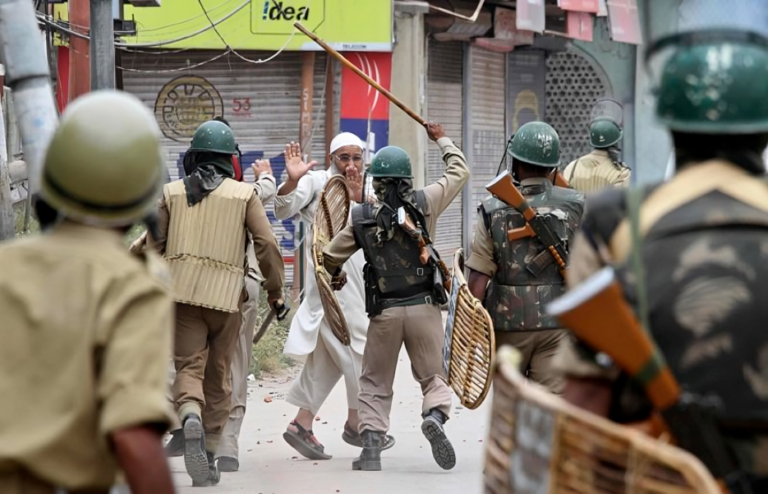
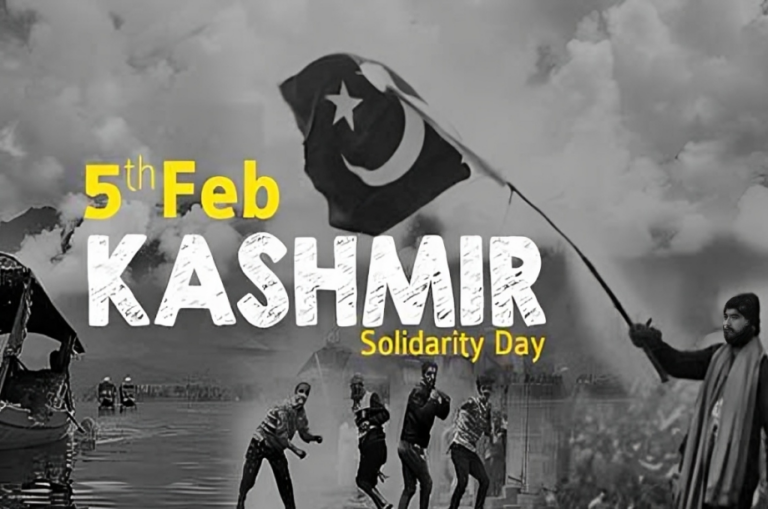
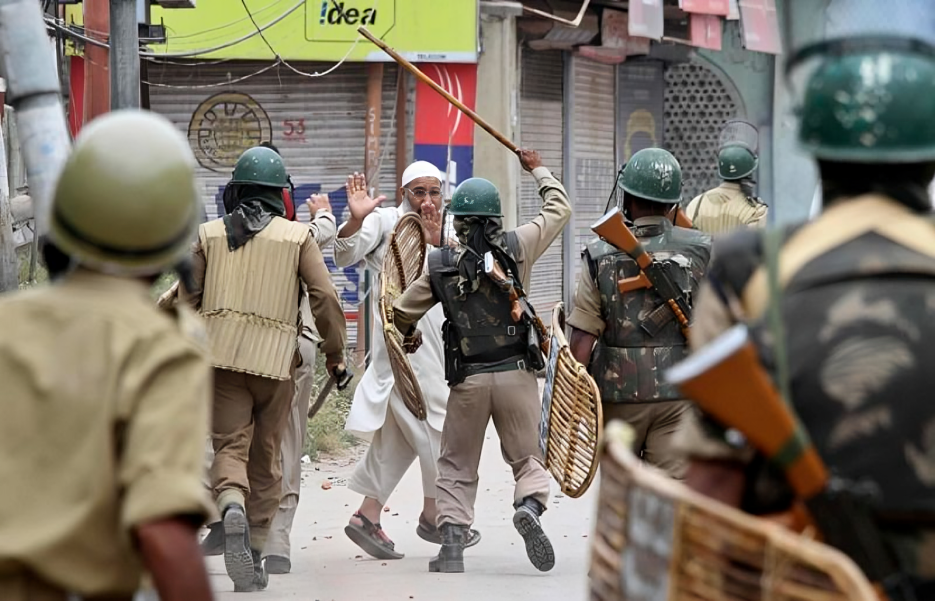
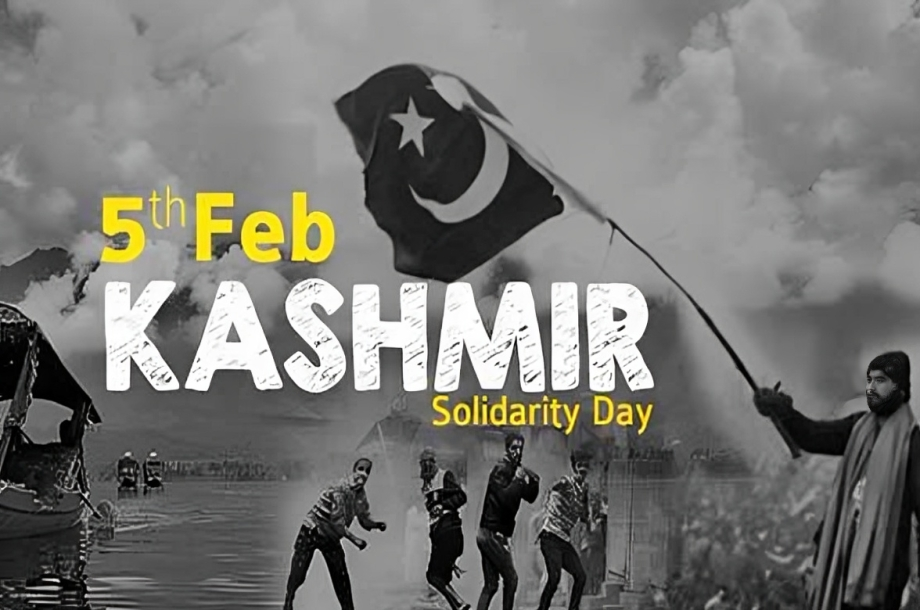
On May 7, 2025, India launched missile strikes on Pakistan in response to the April 22 attack in Pahalgam, Kashmir, that killed 26 tourists. Pakistan denies involvement and has responded militarily, escalating tensions to their worst in two decades.
World Leaders’ Reactions
United States: President Donald Trump expressed disappointment over the escalation, calling it a “shame,” while Secretary of State Marco Rubio urged both nations to re-establish direct communication and avoid further confrontation. The US National Security Council emphasized the need for de-escalation and restraint, encouraging diplomatic resolution as the only viable path forward.
China: China called on both India and Pakistan to “prioritize peace and stability,” advising restraint and caution to avoid further deterioration. Reaffirming its strategic interest in regional calm, Beijing also offered to mediate, expressing readiness to collaborate with the international community to defuse tensions and promote dialogue.
Russia: The Kremlin voiced deep concern over the conflict and urged both sides to exercise restraint. Russian officials reiterated their balanced relationships with both India and Pakistan, and emphasized that any further escalation could have catastrophic regional consequences. Moscow offered to mediate and called for resolution through diplomatic channels.
United Nations: UN Secretary-General António Guterres urged “maximum military restraint” from both nations, expressing alarm at the cross-border strikes and their implications for civilian safety. The UN emphasized that the global community cannot afford a military confrontation between two nuclear-armed powers and stressed the importance of dialogue.
France: France acknowledged India’s right to defend itself against terrorism but called for immediate restraint from both sides. French Foreign Minister Jean-Noel Barrot underlined the importance of protecting civilians and avoiding a prolonged conflict. He also committed to engaging with both governments diplomatically.
United Kingdom: The UK expressed concern and offered support as a friend to both India and Pakistan. Trade Secretary Jonathan Reynolds stressed the UK’s willingness to assist in de-escalation efforts and reiterated the importance of dialogue and stability in South Asia.
Germany: Germany condemned the violence and emphasized the protection of civilians. Berlin activated a crisis unit to monitor the situation and called for both sides to avoid any steps that could lead to further military escalation.
Japan: Japan strongly condemned the April 22 terror attack in Kashmir and voiced concern over rising hostilities. It warned that retaliatory exchanges could spiral into full-scale conflict and urged both sides to stabilize the situation through peaceful dialogue.