
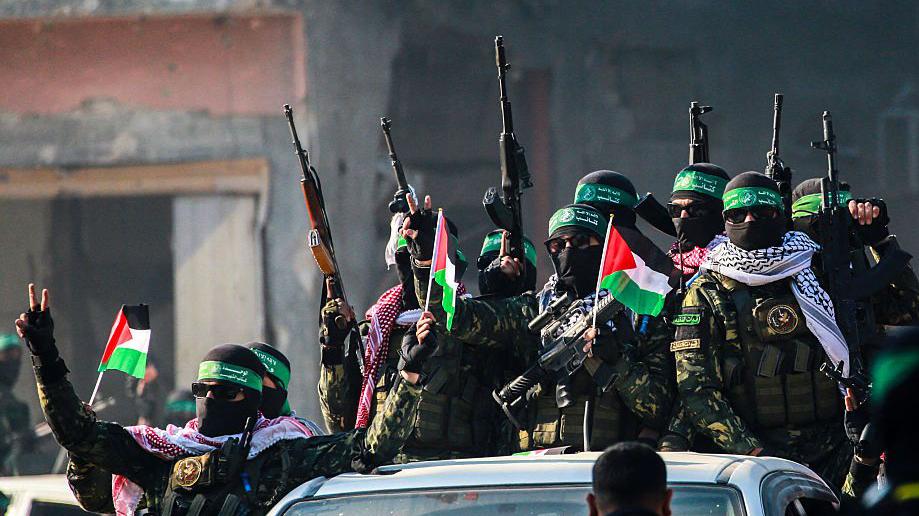
Gaza Ceasefire 2025: A Fragile Breakthrough in the Israel–Hamas Conflict
The Gaza Ceasefire 2025 represents a cautiously hopeful pause in one of the world’s most protracted conflicts. Announced on October 9, 2025, the agreement between Israel and Hamas marks the first major step toward de-escalation in nearly two years of war. Mediated by Qatar, Egypt, and backed by the United States, this ceasefire could reshape the humanitarian and political landscape of Gaza — if both sides follow through on its terms.
The Seven Core Conditions of the Gaza Ceasefire 2025
At the core of the Gaza Ceasefire 2025 lie seven principal conditions, drawn from the first phase of a broader peace initiative:
-
Immediate cessation of hostilities on all fronts.
-
Release of all surviving Israeli hostages within 72 hours of activation.
-
Withdrawal of Israeli forces from Gaza to agreed boundary lines.
-
Exchange of Palestinian detainees following verified lists provided by Hamas.
-
Rejection of any foreign administration — Hamas opposes external governance.
-
Negotiations for future governance to determine Gaza’s administrative authority.
-
Path toward Palestinian self-determination as part of a long-term regional peace plan.
While these terms outline a hopeful framework, their implementation remains deeply uncertain. Both sides have agreed “in principle,” yet analysts warn that enforcement will test the trust deficit that has defined this conflict for decades.
Humanitarian Impact and Civilian Relief
Humanitarian agencies have described the ceasefire as a critical lifeline for Gaza’s population. With over 67,000 Palestinian deaths reported since the 2023 escalation and thousands more wounded, even a brief pause can allow essential aid convoys, medical teams, and fuel deliveries to enter Gaza.
Families who have endured years of separation and siege now cling to cautious hope. “It’s not peace yet — but it’s breathing space,” remarked one UN official. The temporary stability also gives international donors and reconstruction teams a chance to reenter the region safely.
Political and Regional Implications
Politically, this ceasefire creates serious challenges for Israeli Prime Minister Benjamin Netanyahu, who faces strong opposition from hardline ministers rejecting any form of negotiation with Hamas. Meanwhile, Hamas insists on full autonomy in Gaza and rejects external trusteeship — a stance that complicates long-term governance plans.
Regional Diplomacy and International Response
The agreement has triggered a renewed wave of Arab diplomatic engagement. Egypt, Qatar, and Jordan see the deal as a potential bridge toward broader peace talks, while the United Nations and European Union have welcomed it as a “vital humanitarian measure.” The success of the Gaza Ceasefire 2025 could influence future discussions about a two-state solution — a goal that has long seemed out of reach.
A Fragile but Vital Step Toward Peace
Ultimately, the Gaza Ceasefire 2025 stands as a fragile but necessary experiment in rebuilding trust. Its seven conditions encapsulate both the promise and peril of Middle Eastern diplomacy — ambitious on paper, yet perilous in execution. Whether this moment becomes a stepping-stone to peace or merely another temporary pause depends on accountability, mutual restraint, and the world’s willingness to sustain its focus.