

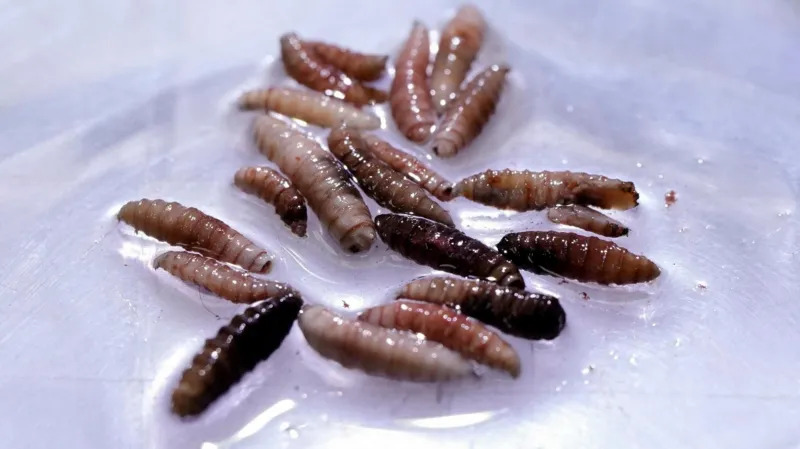
The United States has confirmed its first human infection from the flesh-eating screwworm parasite, a rare but dangerous condition that burrows into living tissue. The case was detected in a Maryland resident who recently returned from abroad. Officials say the patient has recovered and there is no sign of further spread.
The screwworm, caused by a fly species notorious for its larvae that consume live flesh, is mainly a threat to livestock but can occasionally infect people. Human cases are exceptionally rare, though the infection can lead to excruciating wounds and severe tissue damage if untreated.
Federal authorities stressed that the overall risk to the public remains very low. However, the incident has triggered concern across agricultural and veterinary sectors, especially in Texas, where ranchers fear the parasite could re-emerge and devastate herds. Analysts warn that a major outbreak could cost the U.S. livestock industry billions of dollars.
To counter the threat, the government is ramping up protective measures. Plans include constructing a new facility in Texas to mass-produce sterile screwworm flies, which will be released to block reproduction. Surveillance at borders has also been intensified with traps and inspections to catch potential incursions early.
Experts note that the parasite was eradicated in the U.S. more than half a century ago through similar sterile insect techniques. Still, repeated flare-ups in parts of Central America and Mexico show how easily it can return. Officials have urged travelers to seek medical care for unusual wounds that resist healing, warning that swift treatment is key to recovery.
While the Maryland patient’s recovery has calmed immediate fears, the case underscores how quickly eradicated pests can resurface. Health and agriculture authorities say constant vigilance is the only shield against the screwworm’s destructive return.