
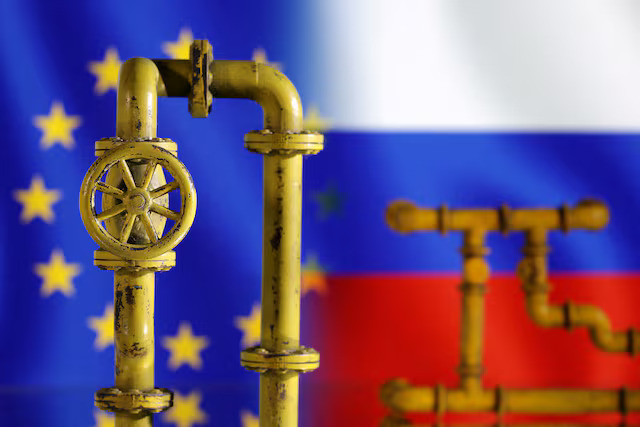
The European Union has agreed on a plan to gradually end imports of natural gas from Russia by January 1, 2028, after the bloc’s energy ministers approved the proposal in Brussels. The move marks one of the EU’s most decisive steps toward full energy independence since the start of the war in Ukraine.
Under the agreement, new contracts for Russian gas will be banned from January 2026, while short-term deals must end by June 2026. Long-term import contracts will be fully phased out by the beginning of 2028. The measures apply to both pipeline and liquefied natural gas (LNG) imports.
The plan is part of the EU’s broader REPowerEU strategy aimed at cutting reliance on Russian fossil fuels. Before the invasion of Ukraine, Russia supplied nearly 45 percent of the EU’s gas imports. That figure has already fallen to around 12 percent, but officials say ending all imports will close a crucial chapter in Europe’s energy transition.
EU leaders said the agreement balances ambition with practicality, giving member states time to secure new suppliers and infrastructure. For landlocked countries such as Hungary and Slovakia, the deal includes limited flexibility and transitional arrangements to prevent severe energy shortages.
The European Commission has emphasized that the shift will also strengthen Europe’s geopolitical position by reducing Moscow’s leverage over European energy markets. At the same time, the bloc plans to accelerate investment in renewable energy and expand partnerships with nations such as the United States, Norway, and Qatar to ensure stable supply.
Analysts warn that the transition will not be easy. The EU will need to secure additional LNG imports, expand storage capacity, and support vulnerable economies as prices fluctuate. Some member states have expressed concern that the move could increase costs for consumers and industries in the short term.
Despite these challenges, Brussels insists the phase-out is both realistic and necessary. Officials described the timeline as a compromise between energy security and environmental goals, allowing markets to adapt while maintaining pressure on Russia’s revenue streams.
The agreement still requires final approval from the European Parliament before it becomes law. Once confirmed, member states will be required to submit national plans detailing how they will replace Russian gas and manage the transition toward cleaner energy sources.
By setting a clear deadline, the EU is signaling a firm break from decades of dependence on Russian energy. How effectively the bloc manages the next three years will determine whether Europe can achieve both energy security and sustainability without economic strain.