
European firms are preparing for possible production shutdowns after China moved to tighten controls on rare earth exports, raising fears of fresh supply chain disruptions despite Beijing’s assurances at a recent EU-China summit.
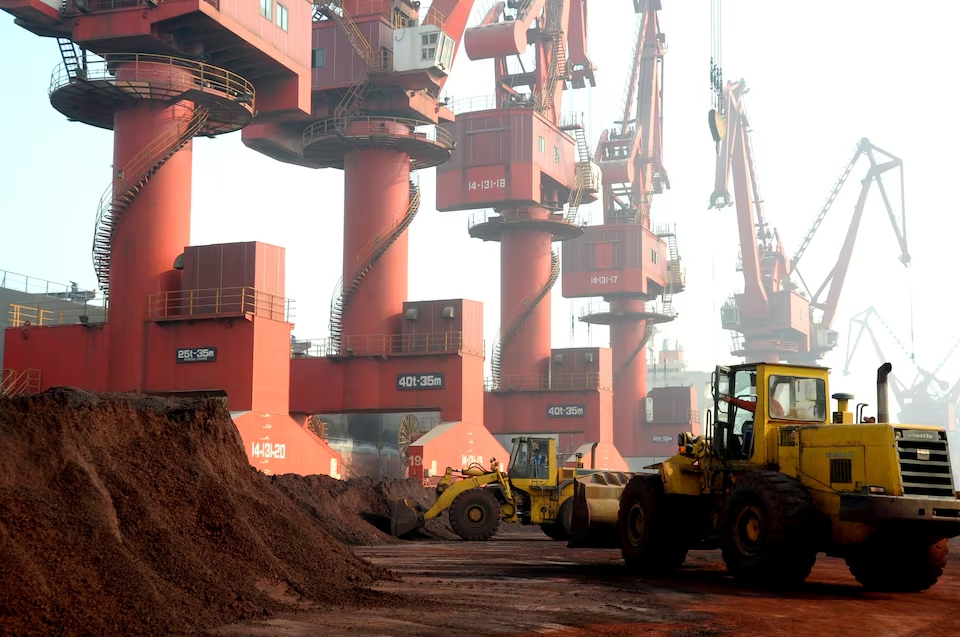
Rare earth elements are vital for industries ranging from electric vehicles to wind turbines and defense equipment. China dominates global production, and its new licensing measures on selected exports have triggered concern across European manufacturing hubs already struggling with rising costs and energy challenges.
Executives at several European tech and automotive companies say they are monitoring inventories closely, warning that even short-term shortages could slow output. Some firms are considering scaling back operations if supply routes are further restricted. “Any disruption in rare earth flows puts us at risk of halting production lines,” one industry representative said.
The European Commission has urged Beijing to honor its summit pledge of maintaining stable trade flows, while at the same time accelerating efforts to diversify supply. Brussels has highlighted ongoing partnerships with countries such as Australia and Canada to reduce reliance on Chinese minerals.
Analysts caution that Europe’s dependency will not be easy to break. More than 90 percent of the bloc’s rare earth imports currently come from China, making it difficult for companies to find alternatives quickly. “This is a wake-up call for Europe’s green transition and its industrial resilience,” an energy policy expert noted.
The new restrictions come as global competition for critical minerals intensifies. With demand expected to surge in the coming decade, European leaders are pressing for faster investment in domestic mining and recycling projects. Still, industry groups warn that near-term supply strains remain inevitable.
For now, European firms face a delicate balancing act: safeguarding production while bracing for an uncertain future in one of the most strategically sensitive supply chains.