
China has condemned the escalating violence in Sudan and called for an immediate cease-fire, urging both sides in the country’s brutal civil war to halt attacks on civilians and return to dialogue. The statement marks one of Beijing’s strongest public positions since the conflict erupted in 2023 and reflects growing global concern over the mounting humanitarian crisis.
Speaking at a press briefing, Foreign Ministry spokesperson Mao Ning said China “firmly opposes and condemns any attacks targeting civilian facilities or innocent people.” She urged the Sudanese Armed Forces (SAF) and the Rapid Support Forces (RSF) to “respect international humanitarian law, ensure the safety of civilians and create conditions for peace talks.”
The comments came as fresh reports emerged of airstrikes and drone attacks in the Darfur region, where aid groups say thousands of people are trapped without food or medical care. The United Nations estimates nearly 2,000 civilians have been killed in North Darfur since September. Hospitals and displacement camps have been repeatedly shelled, forcing medical staff to flee.
Beijing’s statement followed a UN Security Council session in which Chinese ambassador Fu Cong echoed the call for restraint. “Military means cannot solve Sudan’s problems,” he said, urging the international community to focus on humanitarian relief while respecting Sudan’s sovereignty.
Analysts say China’s tone has shifted from passive neutrality to active concern as the war threatens its economic and diplomatic interests in Africa. Sudan, a key partner in China’s Belt and Road Initiative, hosts several Chinese-built projects, including energy and mining facilities now at risk from the fighting. “Beijing recognizes that Sudan’s collapse could have far-reaching consequences,” said Li Yong, an analyst at the China Institute of International Studies. “Peace in Sudan is not just a moral imperative it’s an economic one.”
Chinese officials insist they maintain contact with both sides of the conflict and are supporting mediation efforts led by the African Union and Arab League. Beijing’s approach, they say, aims to encourage “African-led solutions” rather than external interference. “China stands ready to facilitate dialogue,” Mao said, “but only the Sudanese themselves can determine their future.”
The foreign ministry also announced new humanitarian aid, including food assistance and agricultural recovery programs designed to help more than 400,000 Sudanese farmers replant crops lost to war. “The Sudanese people should not bear the cost of geopolitical rivalry,” Mao added.
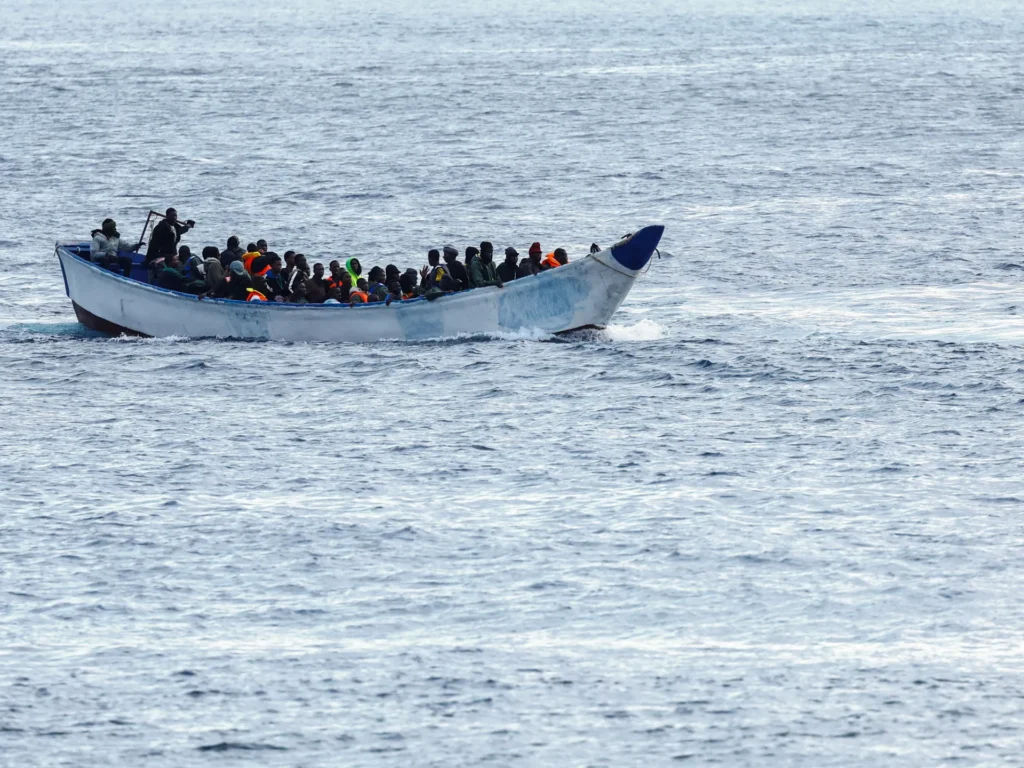
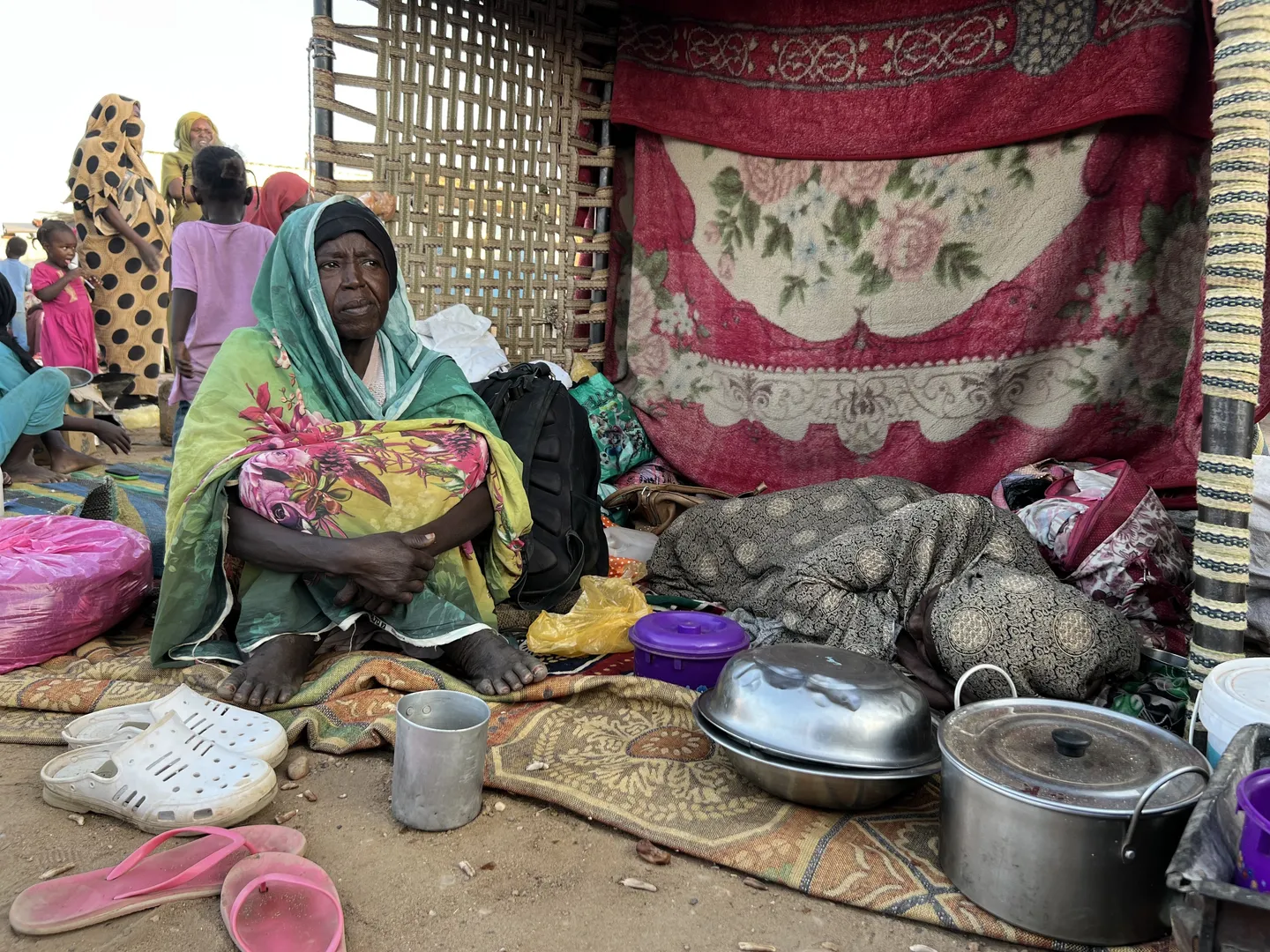
Yet the crisis continues to worsen. Over 30 million Sudanese now require urgent assistance, and 15 million have been displaced internally or abroad ,the largest displacement crisis in the world. Food prices have tripled since last year, and more than 80 percent of hospitals in conflict areas have closed. Aid convoys have been repeatedly looted, while relief workers face growing risks of abduction and attack.
China’s condemnation has been welcomed by humanitarian agencies, though some Western diplomats argue that Beijing could do more to pressure the warring factions. “China has leverage through its economic ties and could use that influence to push for a cease-fire,” said one European envoy. “Its voice carries weight, but words alone won’t stop the killing.”
Still, Beijing’s message marks a rare public rebuke of both sides and highlights fears that the war could spiral into total state collapse. The SAF controls most of eastern Sudan, including Port Sudan, while the RSF dominates Darfur and parts of Khartoum. Both factions are accused of atrocities, and past cease-fire agreements have quickly unraveled.
China is expected to continue supporting UN resolutions calling for humanitarian access and protection of civilians. Its agricultural aid and food shipments through the World Food Programme are due to expand in early 2026. “We urge all parties to silence the guns and open humanitarian corridors,” said Mao Ning. “Only through dialogue can Sudan return to peace and development.”
For millions of Sudanese trapped between warring forces, the words offer little immediate relief but Beijing’s condemnation adds another powerful voice to the international demand that Sudan’s suffering must end.