
Balochistan’s government has launched a targeted anti-polio campaign aimed at vaccinating large numbers of children across the province as Pakistan gears up for a nationwide immunization push starting September 1; provincial officials say the special drive will cover dozens of high-risk districts and vaccinate roughly two million under-five children.
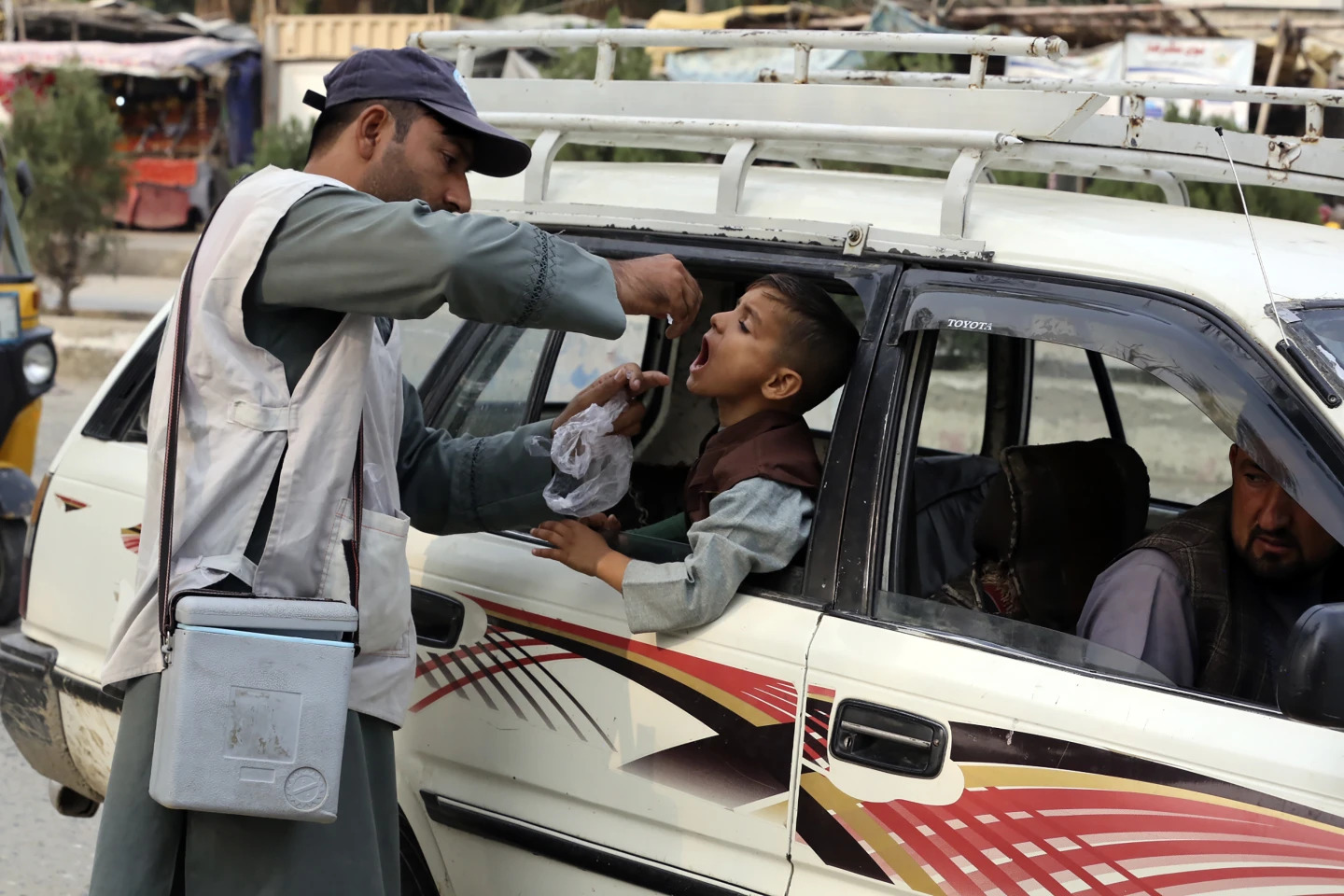
The campaign was formally kicked off in Quetta by the chief secretary, who administered polio drops at a ceremony and chaired a Polio Task Force review to finalise operational plans; authorities say teams will visit homes and set up fixed sites across 26 districts and 123 high-risk union councils including Quetta, Pishin, Chaman, Dera Bugti, Duki and Killa Abdullah; mobile teams and community volunteers will focus on hard-to-reach and displaced populations.
Balochistan’s push is part of a larger national effort that aims to immunize tens of millions of children in coming weeks; national planners have scheduled a nationwide campaign from September 1 to 7 that will target up to 45 million children under five in high-risk districts, depending on rolling provincial rounds; Pakistan’s polio programme says repeated, high-quality rounds are essential to stamp out lingering virus transmission.
Public-health officials point to encouraging local surveillance results even as they press ahead: provincial testing shows declining environmental detection of wild poliovirus in many areas of Balochistan and the province reported no confirmed polio cases in recent months; still experts warn that floods, displacement and gaps in coverage leave communities vulnerable to new outbreaks if campaigns are delayed or incomplete.
The World Health Organization and UNICEF continue to support Pakistan’s vaccination operations with technical assistance, cold-chain supplies and training for frontline workers; UNICEF says door-to-door campaigns and community engagement remain critical to reach children who have been missed during previous rounds; international partners also highlight that maintaining high coverage during monsoon and flood seasons is vital to prevent spread via contaminated water and crowded shelters.
Security and access remain key challenges in the province. Polio teams in Pakistan have long faced threats; in recent months security incidents have included attacks on security personnel and the abduction of health workers in other provinces, underscoring the risks that vaccinators still face while trying to reach every child; local and federal authorities say they will deploy police and paramilitary protection where needed and coordinate with community leaders to improve acceptance and safety for teams in Balochistan.
Health managers have also stressed the need to couple vaccination with wider health messaging; they plan to run information campaigns in local languages, engage mosque and tribal leaders and deploy social-mobilisation teams to counter misinformation that has undermined previous drives; the provincial government announced temporary vaccination posts at transit points and markets to catch children missed during household visits.
Funding and global assistance remain crucial. Major donors and initiatives such as the Global Polio Eradication Initiative have recently mobilised funds and logistics to support Pakistan and Afghanistan, the two countries where wild poliovirus still circulates; donors have warned that continued investment is needed to sustain the gains seen since large-scale campaigns reduced case counts from 2024 into 2025.
Officials say the coming week will be decisive: teams will report daily coverage figures and supervisors will audit results to flag missed communities for follow-up sweeps; Balochistan’s leadership appealed for public cooperation, urging parents to make sure every child under five receives the oral polio drop and to report rumours or safety concerns to local health offices. “Polio is preventable; vaccinating every child is the only way to protect our future generations,” a senior provincial health official said.
If successful, the drive will strengthen Pakistan’s path toward eradication; if it falters, public-health experts warn the virus could exploit gaps and reappear in communities that thought they were protected; the coming rounds will test not only logistical muscle but community trust and the resilience of health systems already strained by floods and other emergencies.