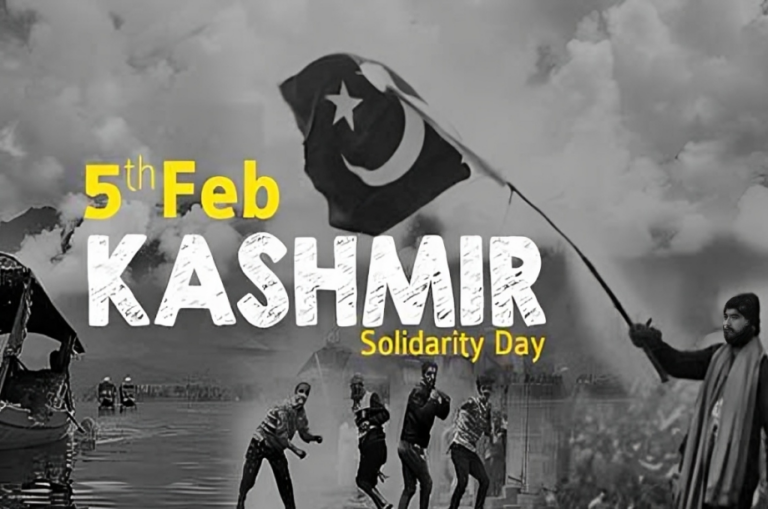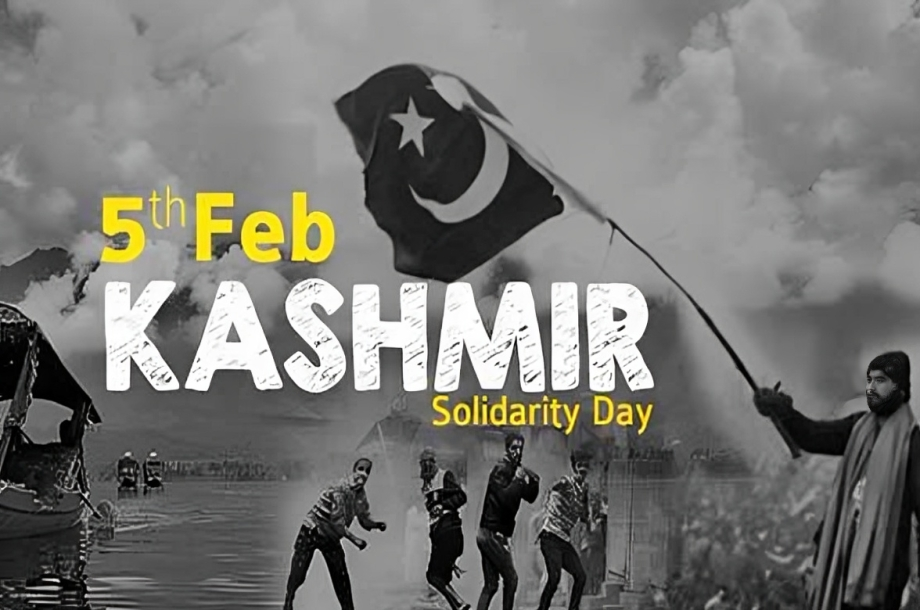

August 5, 2019, stands as a dark milestone in the tumultuous history of the Jammu and Kashmir region, whose fate continues to oscillate between hope and despair under decades-long conflict. This date marks India’s controversial and forceful revocation of Articles 370 and 35-A, effectively stripping Jammu and Kashmir of its autonomous status and triggering a widespread humanitarian crisis. Four years later, Kashmiris around the globe continue to voice their vehement protest, observing August 5 as Youm-e-Istehsal-e-Kashmir, a solemn day of mourning and resistance.
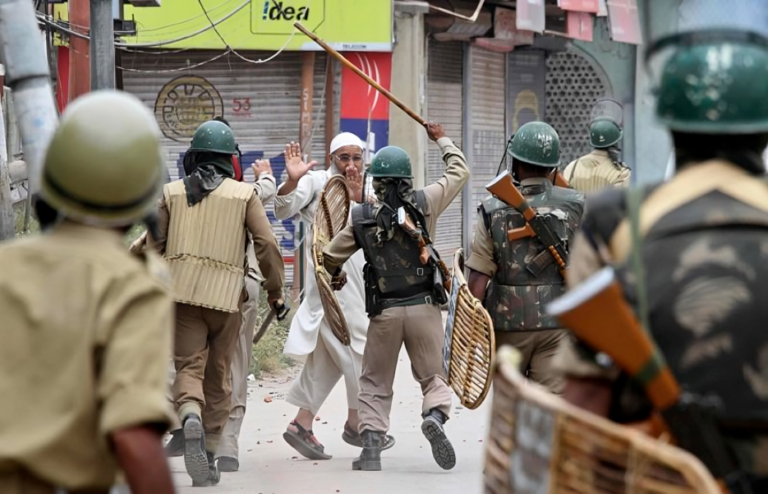
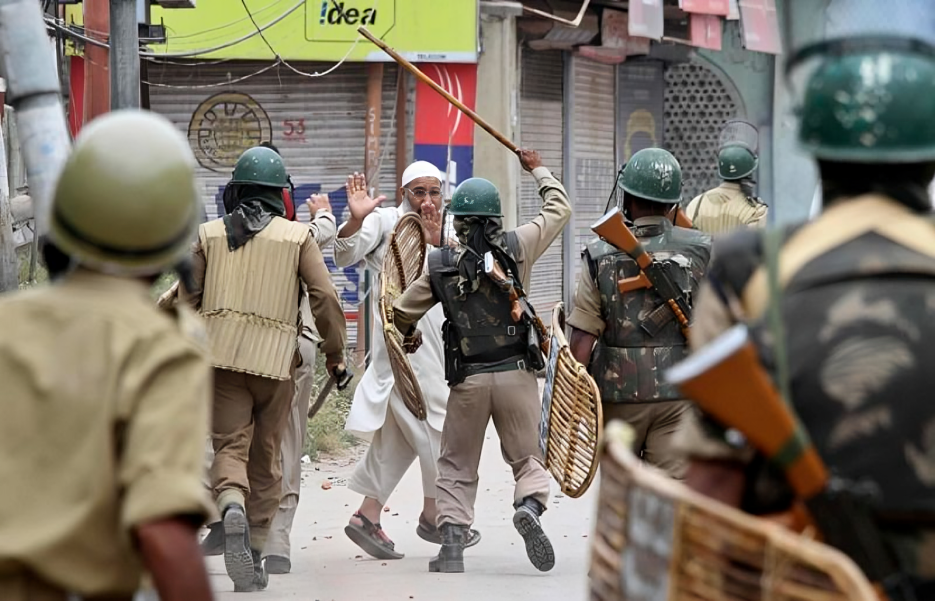
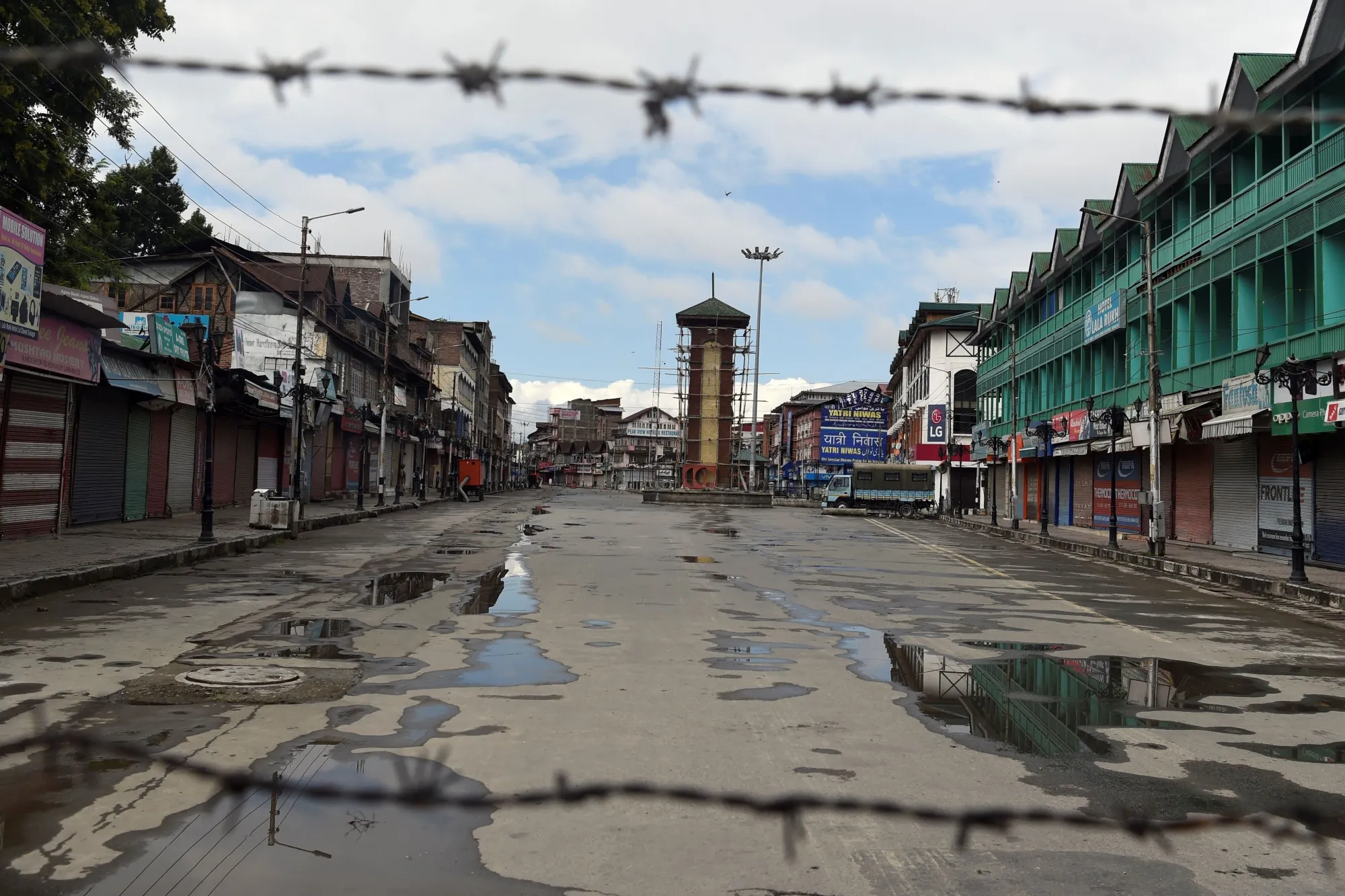
At its core, the Kashmir conflict is a poignant human rights issue shrouded in complex political and strategic considerations. When Prime Minister Narendra Modi’s administration abrogated the special status through a swift and unilateral parliamentary act, the international community initially watched in stunned silence. The move was immediately followed by an unprecedented lockdown one described by Amnesty International as “draconian“, accompanied by a communication blackout, mass arrests, and widespread human rights abuses.
A report by Human Rights Watch published in 2020 exposed harrowing accounts of arbitrary detention, extrajudicial killings, and brutal crackdowns on peaceful protesters. Thousands of Kashmiris, including prominent political leaders and ordinary citizens, were arrested or placed under house arrest without due process. These actions, condemned by multiple human rights organizations worldwide, set the tone for India’s new Kashmir policy, a hardline approach that remains indifferent to international critique.
The broader implications of revoking Articles 370 and 35-A are equally troubling. These constitutional articles granted Jammu and Kashmir considerable autonomy, protecting its demographic identity by preventing outsiders from settling and buying property in the region. Their removal has opened the floodgates for demographic engineering, raising legitimate fears among Kashmiris that their distinct cultural identity and demographic makeup will soon erode.
The Indian government has justified its actions under the guise of development and national integration, arguing that the revocation would end decades of separatist militancy and boost the region’s economic prospects. However, independent studies suggest otherwise. A report from the Kashmir Chamber of Commerce and Industry (KCCI) highlighted significant economic losses amounting to over $5 billion since the 2019 lockdown. Local industries, especially tourism and handicrafts, have suffered tremendously, worsening unemployment and deepening economic hardship for ordinary Kashmiris.
Read Also: Terror in Pahalgam: 26 Tourists Killed in Kashmir’s Deadliest Civilian Attack Since 2000
This dissonance between stated objectives and ground reality starkly illustrates India’s misguided approach. The region remains heavily militarized, with approximately 700,000 Indian troops, one soldier for every eight civilians, according to data from various international sources, including the United Nations. Such military presence has not only failed to achieve lasting peace but has exacerbated an already volatile situation, leading to cycles of violence and resistance.
Moreover, the international community’s response has been notably inconsistent. While human rights groups vocally condemned India’s actions, major global powers have largely maintained cautious diplomacy. Countries like the United States and China have occasionally raised concerns but stopped short of exerting significant pressure. The United Nations has repeatedly urged restraint and dialogue, yet its resolutions remain unimplemented, leaving Kashmiris increasingly skeptical about the effectiveness of international intervention.
On the ground, Kashmiri organizations across both sides of the Line of Control (LoC), the de facto border dividing the region between India and Pakistan, have united in solidarity, calling for complete strikes and mass demonstrations on Youm-e-Istehsal-e-Kashmir. The All Parties Hurriyat Conference and various other political and civil society organizations consistently emphasize that these actions symbolize a collective rejection of India’s unilateral decisions.
Significantly, Kashmiris residing internationally have played a critical role in amplifying the voices of dissent. Diaspora communities across Europe, North America, and the Middle East regularly organize protests, seminars, and awareness campaigns, ensuring that the international community does not forget Kashmir’s plight. Such global solidarity reinforces the legitimacy of the Kashmiri struggle, making it impossible for the international community to sideline this issue indefinitely.
It is also crucial to acknowledge the psychological toll these continuous conflicts and lockdowns inflict upon Kashmir’s population. Medical professionals and international NGOs report alarming rises in mental health issues, including depression, anxiety, and post-traumatic stress disorder (PTSD), particularly among youth. The Kashmir Mental Health Survey, published by Doctors Without Borders (Médecins Sans Frontières), reported that nearly 1.8 million adults 45% of the adult population, suffer from significant psychological distress, a figure expected to have worsened since the 2019 lockdown.
Mere statements and passive concern are insufficient in addressing the systemic and ongoing violations faced by the Kashmiri people. The situation demands sustained international pressure, unbiased intervention, and genuine diplomatic efforts to resolve one of the longest-standing disputes in South Asian history. Until such earnest actions materialize, Kashmiris on both sides of the LoC and globally will continue their steadfast resistance, reminding the world that justice delayed is justice denied.