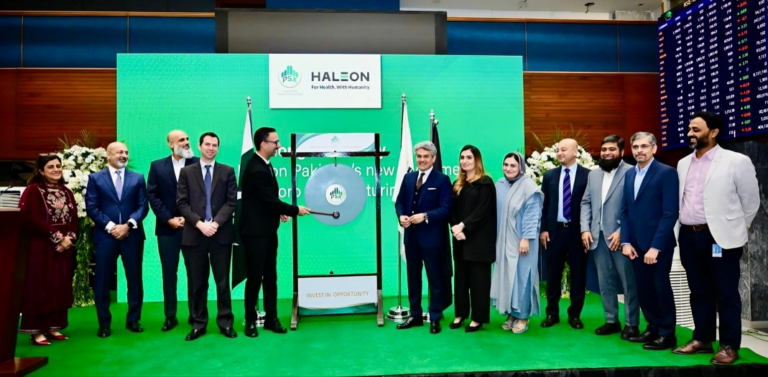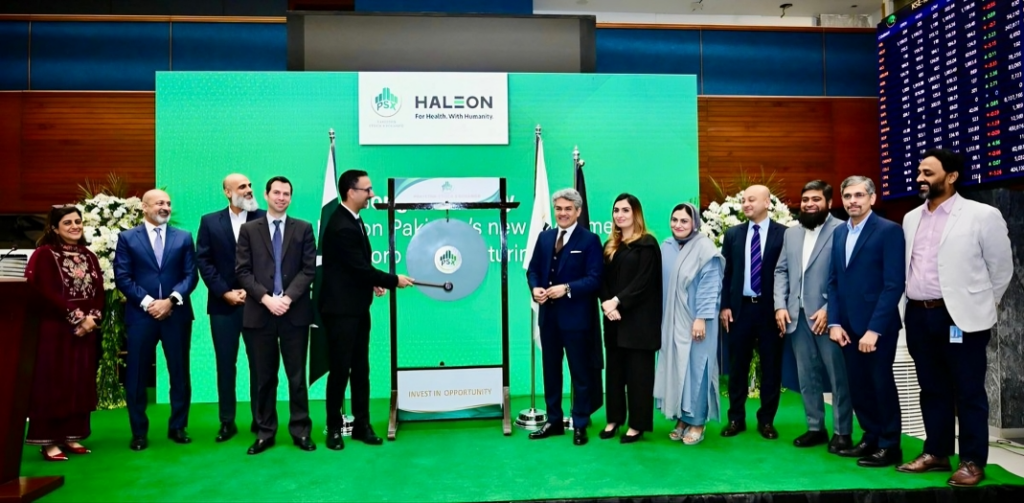

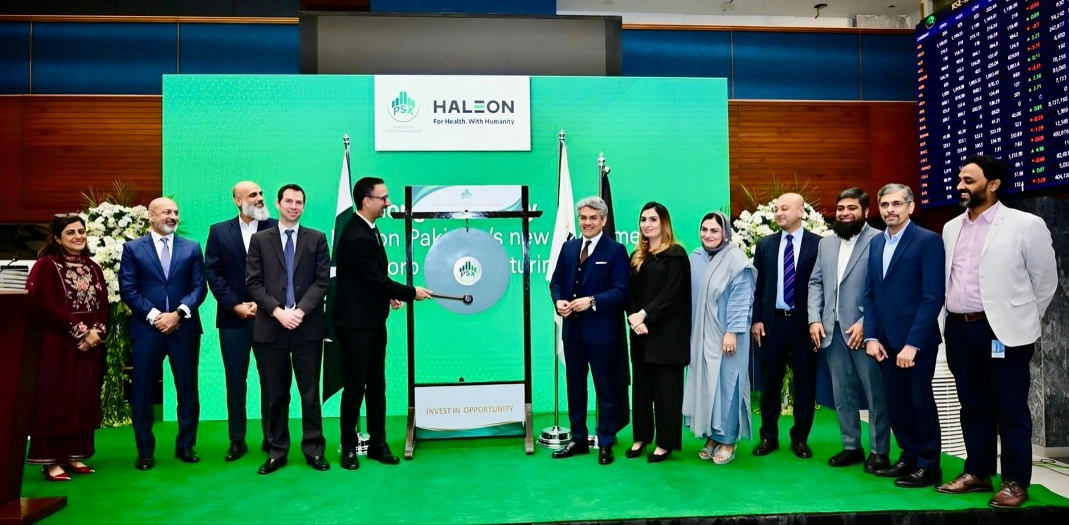
Economic cooperation between the United Kingdom and Pakistan has been gaining momentum, underpinned by expanding trade flows, fresh foreign direct investments (FDI), and a sharpened focus on industrial partnership. A notable development in this trajectory was Haleon’s USD 4.8 million expansion of its manufacturing facility in Jamshoro, Sindh a step that transcends routine capital allocation and signifies long‑term confidence in Pakistan’s industrial potential. This investment both reflects and reinforces the evolving dynamics of bilateral economic engagement, highlighting Pakistan’s rising appeal as a production hub rather than simply a consumer market.
Haleon’s Expansion: A Strategic Confidence Vote
Haleon plc, a British multinational consumer healthcare company listed on the London Stock Exchange, operates globally with brands spanning oral hygiene, vitamins, and over‑the‑counter medicines. Its subsidiary, Haleon Pakistan Limited, manages operations domestically, including a manufacturing facility in Jamshoro, Sindh. In 2025, Haleon invested USD 4.8 million to expand this facility, signaling increased trust in Pakistan’s long‑term industrial prospects. The investment is expected to boost local manufacturing capacity, create skilled jobs, and deepen technical expertise among local workers.
This move indicates more than a singular corporate decision. In an environment where global capital is increasingly selective, such an investment suggests that Pakistan’s workforce, regulatory environment, and growth trajectory are sufficiently stable and attractive for multinational firms to commit beyond transactional engagements. Haleon’s Jamshoro expansion underscores Pakistan’s potential to host high‑value manufacturing and integrate into international supply chains, a strategic transition for an economy historically defined more by consumption than production.
Industrial Growth, Skills, and Job Creation
Investment in increased production capacity directly impacts labour market outcomes by creating quality jobs and facilitating skill transfer. Industry expansions routinely catalyse ancillary employment mechanics, logistics, quality assurance, supply chain specialists, regulatory compliance experts, and more, thereby enhancing local human capital. In Pakistan’s context, where industrial diversification and employment generation are high policy priorities, foreign investments like Haleon’s can support sustainable development objectives.
READ ALSO: PSX Hits All-Time High Before Closing in Red Amid Trump’s Trade War and Economic Reforms
International experience further substantiates this effect. Manufacturing clusters in countries such as India and Vietnam show that foreign firms often anchor industrial ecosystems, driving innovation and fostering supplier networks that elevate local production standards. Pakistan’s Jamshoro example holds similar promise: by embedding advanced production techniques and management practices locally, export‑oriented capacity can be built, reducing dependency on imported high‑value goods.
Strengthening UK–Pakistan Trade and Investment Flows
Beyond individual investments, broader trade and investment data evidence deepening UK–Pakistan economic ties. According to the UK’s official trade and investment factsheet, total bilateral trade (goods and services) reached £5.5 billion in the 12 months to mid‑2025, up 14 percent from the prior year. UK exports to Pakistan ,including goods and service,s grew by around 24.5 percent, reflecting stronger commercial engagement, while UK FDI stock in Pakistan stood at £2.5 billion at the end of 2023, up nearly 8.5 percent from the prior year.
These data point to a diversification of engagement across sectors. UK service exports to Pakistan account for the majority of trade, while goods exports and imports also reflect incremental growth. Pakistan benefits by securing foreign capital, access to technical expertise, and integration into new markets, advantages that align with national economic goals of export growth and employment generation.
Supply Chain Integration and Industrial Capacity
Global firms are increasingly choosing Pakistan as a reliable production hub, not just a destination to sell products. This trend is evident in investments that expand local production lines and enhance supply chain integration. Haleon’s Jamshoro expansion, for example, positions Pakistan as a node in global healthcare and consumer goods supply chains. Integration into such networks offers multiple advantages: alignment with international quality standards, exposure to global market demand signals, and the opportunity for Pakistani producers to link with regional and global logistics networks.
This evolving perception is pivotal for Pakistan’s economic strategy. As policymakers push for export diversification and industrial capacity building, attracting multinational firms into manufacturing strengthens local capabilities and supports the development of competitive sectors. Embedding Pakistan more deeply in global value chains can enhance resilience against external shocks, foster innovation, and widen export destinations outcomes consistent with broader development objectives.
Economic Stability
Investments of this nature reflect confidence not only in physical infrastructure but also in Pakistan’s workforce and institutional environment. Multinationals consider regulatory predictability, labour quality, and macroeconomic stability when allocating capital. Investment decisions that link expansion to skill development implicitly acknowledge local talent capacity and potential. Such confidence underpins broader economic narratives, encouraging further investment from both UK and global partners.
Trust in Pakistan’s economic trajectory is reinforced by hosting firms that visibly invest in upskilling employees, promoting workforce development, and aligning production processes with international best practices. When these outcomes are realised at scale, they contribute to a virtuous cycle of productivity improvements, socioeconomic mobility, and stronger industrial ecosystems.