
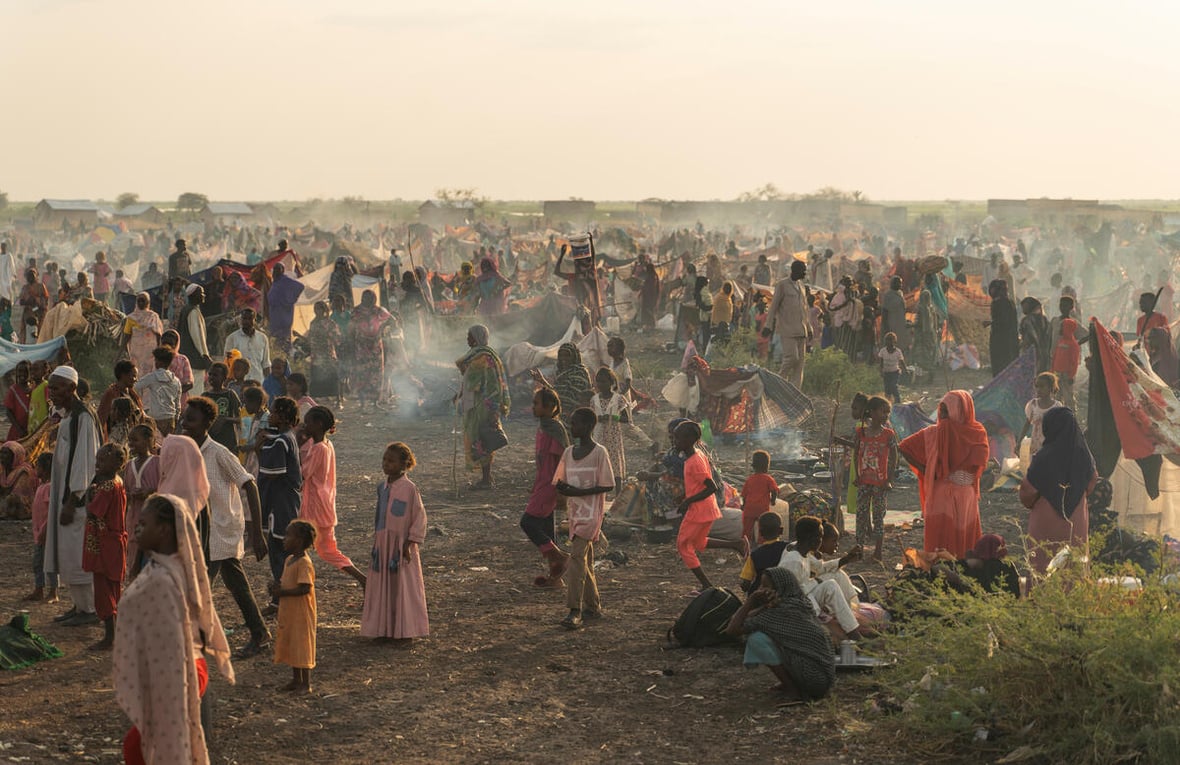
 KHARTOUM, Sudan — As Sudan marks over two and a half years of brutal civil war, the humanitarian and political crisis in the country continues to worsen, with recent developments in the Darfur region underscoring a grim historical repetition of violence and suffering.
Fall of al-Fashir and Renewed Darfur Violence
On November 2025, the Rapid Support Forces (RSF), a paramilitary group led by General Mohamed Hamdan Dagalo, known as Hemedti, seized control of al-Fashir, Darfur’s provincial capital and the last bastion of Sudanese army presence in the region. This capture signifies a pivotal shift in the conflict, granting the RSF control over more than a quarter of Sudan’s territory and triggering reports of mass executions and atrocities reminiscent of past Darfur genocidal campaigns. Eyewitnesses have recounted harrowing scenes where men were separated from women and children before gunfire erupted. The United Nations human rights office has reported hundreds of civilian casualties, while the International Criminal Court (ICC) has activated investigations into possible war crimes connected to these events. The RSF denies allegations of summary executions, but the severity of the violence is evident as the Red Cross describes the situation as “horrific” and “history repeating itself” in Darfur.
Historical Roots of Sudan’s Conflict
The current conflict harks back to Sudan’s long history of ethnic, political, and economic divisions. The roots lie in colonial-era policies that entrenched north-south and center-periphery disparities, fueling decades-long civil wars. The Darfur conflict, which escalated in the early 2000s into a genocide that drew international condemnation, is a tragic chapter mirrored today in the violent factional clashes. After the 2019 overthrow of Omar al-Bashir, whose regime brutally suppressed marginalized groups and escalated internal conflicts, a fragile and uneven transition followed. Instead of peace, rivalry between the Sudanese Armed Forces (SAF), led by General Abdel Fattah al-Burhan, and the RSF erupted into open warfare in April 2023, spiraling into the current devastation.
Escalation and Spread of Fighting
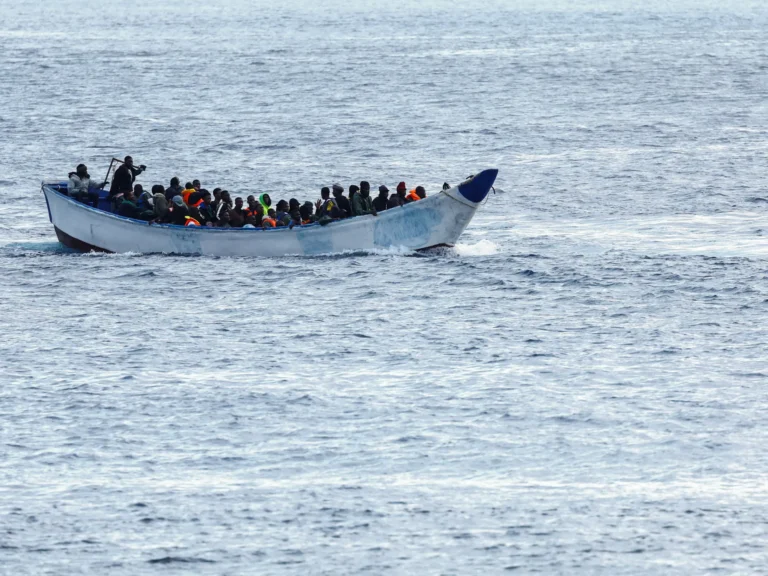
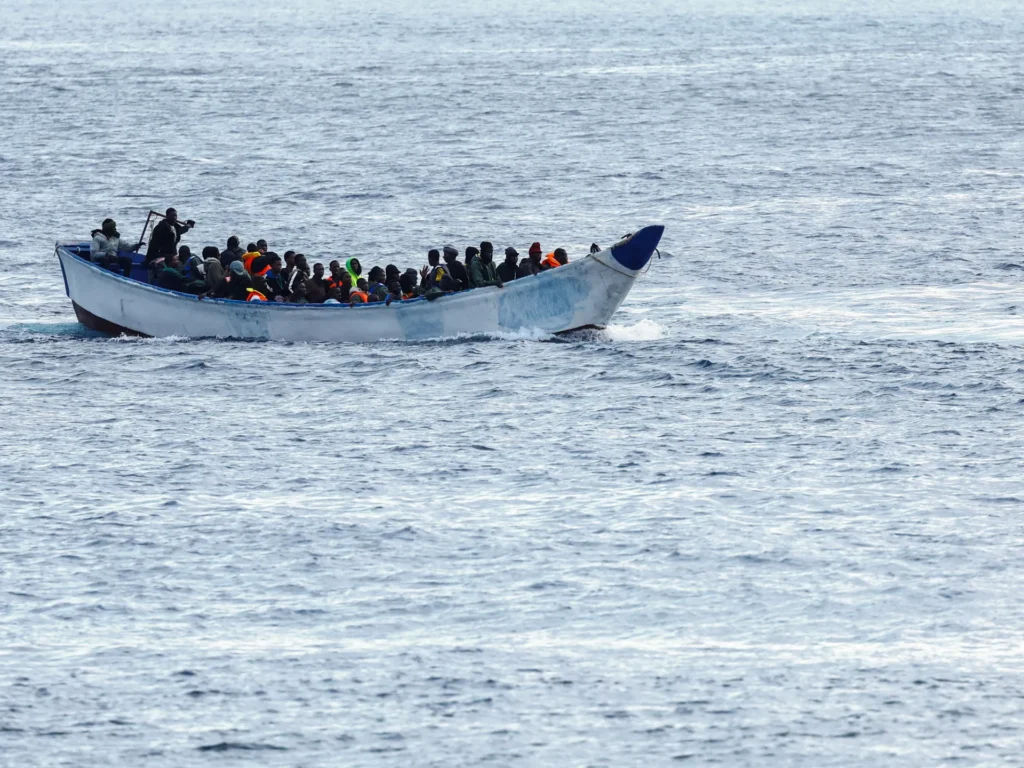
Beyond Darfur, the war is spreading eastwards towards strategic cities like el-Obeid in North Kordofan, where the RSF signals imminent offensives, threatening to displace tens of thousands more as both sides prepare for fierce confrontations. According to the International Organization for Migration, the conflict-induced displacement has reached alarming scales, contributing to over 14 million people uprooted nationwide.
Humanitarian Catastrophe and Famine Crisis
The war has created the world’s largest humanitarian disaster. Reports from global hunger authorities confirm that famine conditions have enveloped not only Darfur’s el-Fashir but also South Kordofan’s Kadugli and other contested areas. The RSF’s prolonged sieges have severely restricted access to food, water, and medical aid, fueling outbreaks of malnutrition and disease while claiming tens of thousands of lives. The U.N. estimates the death toll to exceed 40,000, though independent aid organizations warn that the actual figures could be much higher given obstructed access and ongoing violence.
International Diplomatic Efforts and Challenges
International diplomatic efforts to broker a ceasefire are underway, with the United States and a coalition of regional powers (the Quad: Saudi Arabia, Egypt, UAE, and the US) negotiating a planned three-month humanitarian truce followed by a political process aimed at ending hostilities. However, these efforts face stiff challenges, including Sudan’s internal divisions and allegations of foreign meddling, as Sudanese officials have publicly rejected some negotiation proposals citing external involvement concerns.
Conclusion: A Nation in Crisis
In summary, Sudan’s ongoing war is a brutal continuation of deep rooted historical fractures compounded by a power struggle between military factions with dire consequences for civilians. The fall of al-Fashir to paramilitary forces and subsequent mass atrocities echo the dark chapters of Sudan’s past, while famine and displacement threaten to engulf the population further in crisis. With no immediate end in sight, Sudan remains a focal point of urgent international humanitarian and political attention.