
Two years into one of the world’s deadliest and least visible wars, Sudan has become a country on the brink of total collapse. The conflict between the Sudanese Armed Forces (SAF) and the paramilitary Rapid Support Forces (RSF) has plunged the nation into chaos, destroying infrastructure, crippling the economy, and creating the largest displacement crisis in modern history.
Once viewed as a potential model for democratic transition after the ousting of long-time ruler Omar al-Bashir in 2019, Sudan is now a battleground of competing generals and fractured alliances. The fighting, which erupted in April 2023, began as a power struggle between the head of the SAF, General Abdel Fattah al-Burhan, and the RSF commander, General Mohamed Hamdan Dagalo, widely known as Hemedti. What started as a contest over military control has evolved into a brutal war that has killed tens of thousands and displaced more than 15 million people.
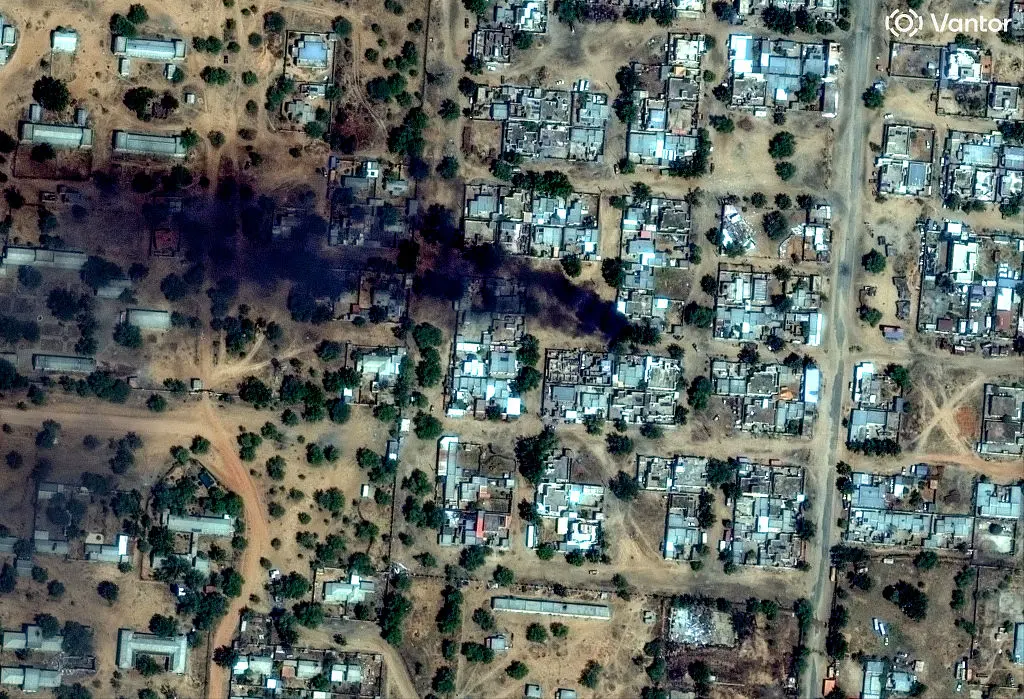
Across Khartoum, Darfur, and Kordofan, the violence shows no sign of slowing. In recent months, the RSF has tightened its grip on the western region of Darfur after seizing the strategic city of El Fasher, where witnesses describe scenes of horror. Drone and artillery attacks on a displacement camp in October left at least 60 civilians dead, many of them women and children. Rights groups have documented systematic killings, ethnic cleansing, and sexual violence in areas under RSF control. Entire neighborhoods have been razed, and aid workers describe finding mass graves after fighting subsides.
For ordinary Sudanese, survival is becoming impossible. The UN estimates that more than 25 million people over half the population now require immediate humanitarian assistance. Millions are trapped in besieged areas without food, clean water, or medical care. “Sudan is facing a famine of biblical proportions,” said a UN relief official, warning that children are dying daily in overcrowded camps where diseases like cholera and malaria spread unchecked. Nearly 80 percent of hospitals in combat zones are no longer functioning, and health workers report a severe shortage of antibiotics, blood supplies, and fuel for generators.
The humanitarian disaster has been compounded by the near-total collapse of Sudan’s economy. The Sudanese pound has lost nearly 40 percent of its value in recent weeks after the United Arab Emirates quietly suspended flights and trade shipments from Port Sudan a crucial hub for gold exports, one of the few remaining sources of foreign revenue. With trade routes blocked, inflation has surged, and the price of basic goods like flour, fuel and cooking oil has tripled since July.
While both sides claim to be fighting for Sudan’s future, the reality is that the country is fragmenting into rival enclaves ruled by militias, tribal alliances, and local warlords. In government-held Port Sudan, officials struggle to pay salaries and keep ministries operating, while in Darfur, RSF commanders act as de facto rulers, enforcing their own laws and taxing trade routes. Human rights groups say the resulting power vacuum has turned vast parts of the country into lawless zones where civilians are routinely extorted or abducted for ransom.
Efforts to broker peace have repeatedly faltered. Mediation attempts by the United States, Saudi Arabia, and the African Union have failed to secure a lasting ceasefire, with each side accusing the other of bad faith. Diplomats familiar with the talks say neither Burhan nor Hemedti appears willing to compromise, each convinced that military victory is within reach. Regional powers including Egypt, the UAE and Russia have been accused of fueling the conflict by supplying weapons or political backing to rival factions, despite international arms embargoes.
Inside Sudan, both warring leaders have tried to portray themselves as protectors of national unity. Burhan has pledged to restore state authority and hold elections once security is reestablished, while Hemedti has positioned himself as a champion of marginalized ethnic groups, especially in Darfur. Yet analysts say both men rely on networks of patronage and fear that mirror the corruption and repression of previous regimes. “This is not a war for democracy or reform,” said a regional security analyst based in Nairobi. “It’s a war for survival of two men and the systems they built.”
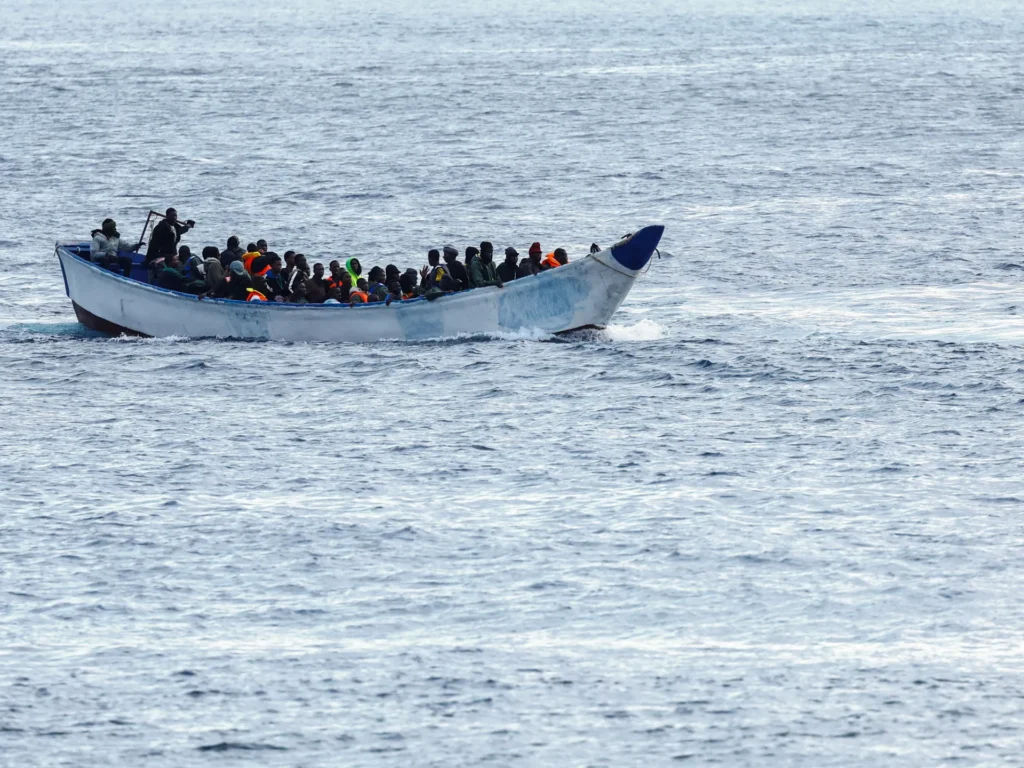
The consequences are spreading beyond Sudan’s borders. Refugees continue to pour into Chad, South Sudan, and Egypt, overwhelming fragile host communities. The United Nations warns that the conflict threatens to destabilize the entire region, disrupting trade and fueling smuggling networks that stretch across the Sahel. Armed groups from neighboring countries have reportedly crossed into Sudanese territory to exploit the chaos, smuggling weapons, gold and people.
Meanwhile, ordinary Sudanese describe a life of constant fear. In the few cities still under partial government control, electricity is sporadic, internet access is limited, and schools have been shut for months. Aid convoys are often looted, and journalists attempting to document atrocities face arrest or disappearance. Despite these dangers, grassroots organizations continue to deliver aid where possible, using underground networks to smuggle food and medicine to besieged neighborhoods.
Diplomatic sources say that talks are underway in Addis Ababa to revive a humanitarian corridor agreement that would allow relief agencies to operate across frontlines. However, skepticism remains high after multiple ceasefire promises were broken within days. Western governments have increased sanctions on both the SAF and RSF leadership, but these measures have had little impact on the battlefield.
For now, Sudan stands on the edge of state collapse. The economy is in ruins, institutions are paralyzed, and the humanitarian crisis grows by the day. Analysts fear that without urgent international intervention, the country could fracture permanently echoing the collapse of Libya or Somalia.
“Every day this war continues, Sudan loses a piece of its soul,” said a Khartoum-based academic now living in exile. “It’s not just cities being destroyed it’s trust, identity and the idea of a shared future.”