
BTC Dip Under Tariff Pressure: Bitcoin Falls 8% After Trump’s 100% Tariffs on China:
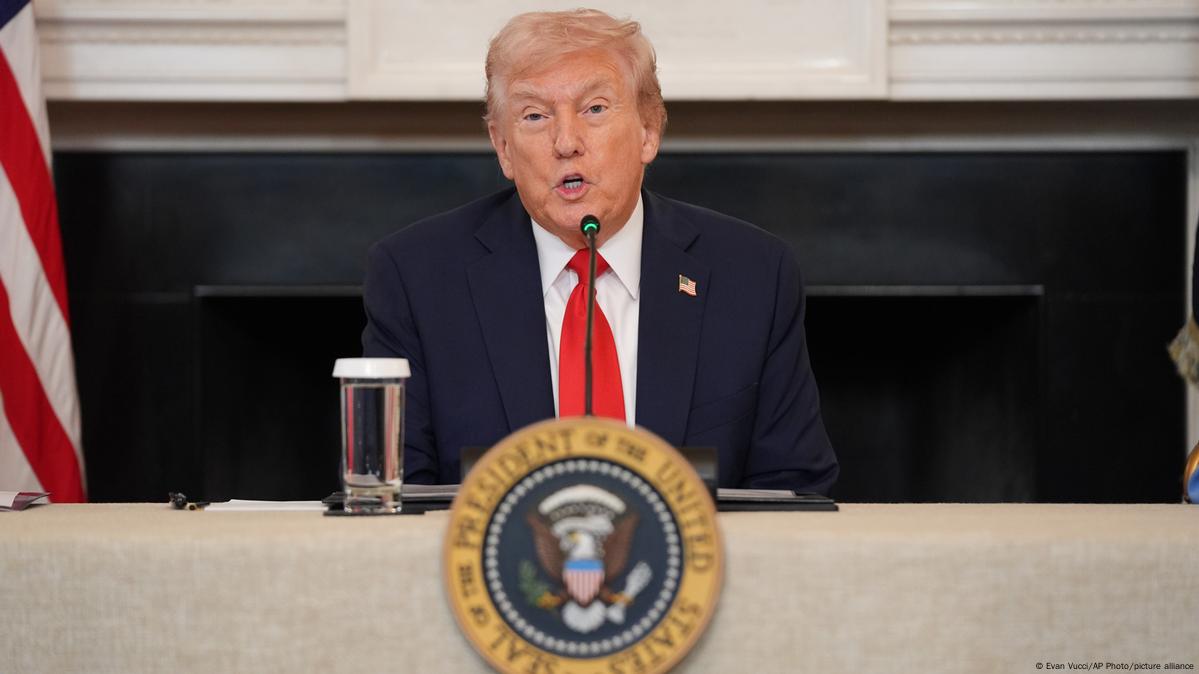
The BTC dip under tariff pressure sent shockwaves through global markets on October 10, 2025. Minutes after U.S. President Donald Trump announced 100% tariffs on all Chinese tech imports, Bitcoin’s price tumbled sharply. The crypto market, which had been trading near all-time highs, faced a sudden wave of liquidation and panic selling.
Bitcoin Plunges as Traders React to Tariff Shock:
Bitcoin plunged 8.4% within hours, falling from around USD 113,000–125,000 to USD 104,782, marking one of its steepest single-day drops this quarter. Ethereum and Solana followed, losing between 5–15%. Data from major exchanges confirmed that over USD 19 billion in leveraged crypto positions were wiped out within 24 hours, including USD 7 billion in a single hour.
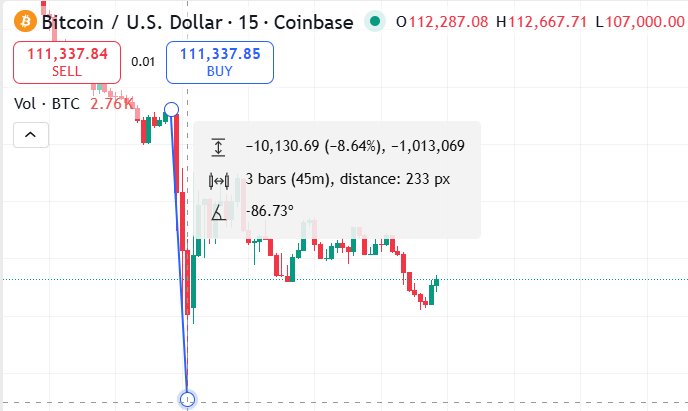
This massive liquidation reflected traders’ sudden rush to unwind long positions amid uncertainty about global trade, inflation, and liquidity.
Tariffs Revive Inflation Fears and Strengthen the Dollar:
Trump’s 100% tariff announcement on Chinese technology goods rattled global investors. Markets quickly priced in renewed inflation pressure and possible supply chain disruptions, both of which could push the Federal Reserve toward maintaining higher interest rates longer.
Consequently, the U.S. Dollar Index (DXY) surged above 107, while Treasury yields climbed, drawing liquidity out of risk assets. Bitcoin, which often moves inversely to the dollar, reacted with immediate selling pressure.
China’s Reaction and Global Market Sentiment:
China’s Commerce Ministry condemned the tariffs, hinting at potential retaliatory measures. Asian markets opened lower, and European indices followed with sharp declines. Investors began shifting toward gold and cash, seeking short-term safety.
Meanwhile, crypto traders debated whether this dip was a temporary correction or the start of a deeper risk-off cycle. Many analysts noted that Bitcoin had previously shown resilience during geopolitical stress but tends to react violently in the first hours after policy shocks.
Altcoins, Futures, and Institutional Sentiment:
The broader crypto ecosystem mirrored Bitcoin’s turmoil. Altcoins like Solana, Avalanche, and Cardano posted double-digit losses. Bitcoin futures funding rates on Binance and Bybit turned deeply negative for the first time in months, showing that traders were heavily shorting the market.
Institutional investors, who had been steadily increasing Bitcoin exposure since August, paused new inflows as volatility spiked. Some analysts believe hedge funds may start re-accumulating around the USD 100,000 psychological level, which remains a strong technical support zone.
Long-Term Outlook: Panic or Opportunity?
Despite the short-term chaos, several market strategists argue this pullback might represent a buying opportunity. They point to long-term fundamentals—such as Bitcoin’s shrinking supply post-halving, rising ETF inflows, and sustained global demand—as key supports.
However, others caution that if the trade war intensifies, Bitcoin could retest lower levels before stabilizing. The BTC dip under tariff pressure highlights how deeply crypto is now tied to global politics and macroeconomic shifts.
Conclusion:
The BTC dip under tariff pressure is more than a technical correction—it’s a reflection of investor anxiety over the U.S.–China trade clash and its inflationary ripple effects. As markets digest Trump’s aggressive tariff stance, Bitcoin will remain a key barometer for global risk sentiment.
For seasoned traders, volatility like this offers both danger and opportunity. The question is no longer whether politics affect crypto—it’s how fast crypto reacts when they do.