
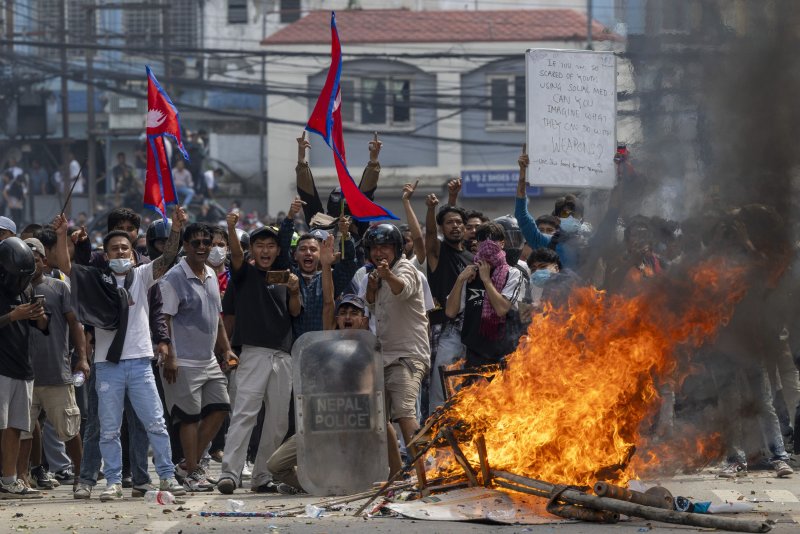
Nepal’s Prime Minister K.P. Sharma Oli resigned on Tuesday as anti-corruption protestors confronted an indeterminate curfew and clashed with police, a day after 19 people died in intense demonstrations sparked by a social media ban.
Oli’s government lifted the ban on Monday following a surge in demonstrations, during which security forces resorted to tear gas and rubber bullets to resist protesters attempting to enter parliament. The violence resulted in 19 fatalities and left more than 100 people injured. However, the disorder continued persistent on Tuesday, eventually leading Oli to stand down and pushing Nepal into a new stage of political instability.
The turmoil marks the most severe unrest in decades for the impoverished Himalayan nation, situated between India and China, which has fought with economic challenges and political instability since the monarchy was ended in 2008.“In view of the adverse situation in the country, I have resigned effective today to facilitate the solution to the problem and to help resolve it politically in accordance with the constitution,” Oli wrote in his resignation letter to President Ramchandra Paudel.
An aide to President Paudel told Reuters that the resignation had been accepted and discussions for a new leader had begun. Jubilant youths stormed the parliament complex, raising their hands, chanting slogans, and writing “We won” in large orange letters on its beige walls, while others flashed victory signs. Smoke billowed from parts of the building, but despite protesters remaining on the streets, witnesses said there were no clashes as security forces held back.
Prime Minister’s Residence Attacked: Oli 73 was under oath for his fourth term in July last year, becoming Nepal’s 14th Prime Minister since 2008. On Monday night, two of his cabinet members resigned, saying they could not carry on for moral reasons. Earlier on Tuesday, Oli called a meeting of all political parties, saying that violence was harmful for the nation and that problems should be solved through peaceful talks. He also expressed sorrow over the violence, blaming it on “infiltration from selfish groups,” but did not directly address protesters’ accusations of corruption.
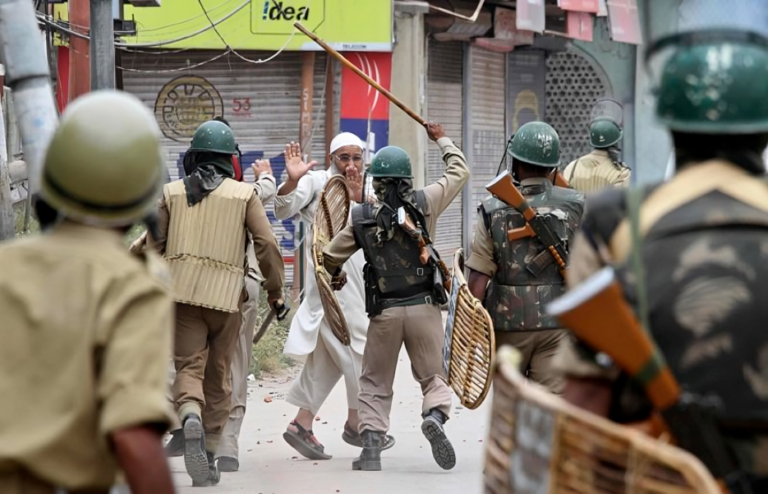
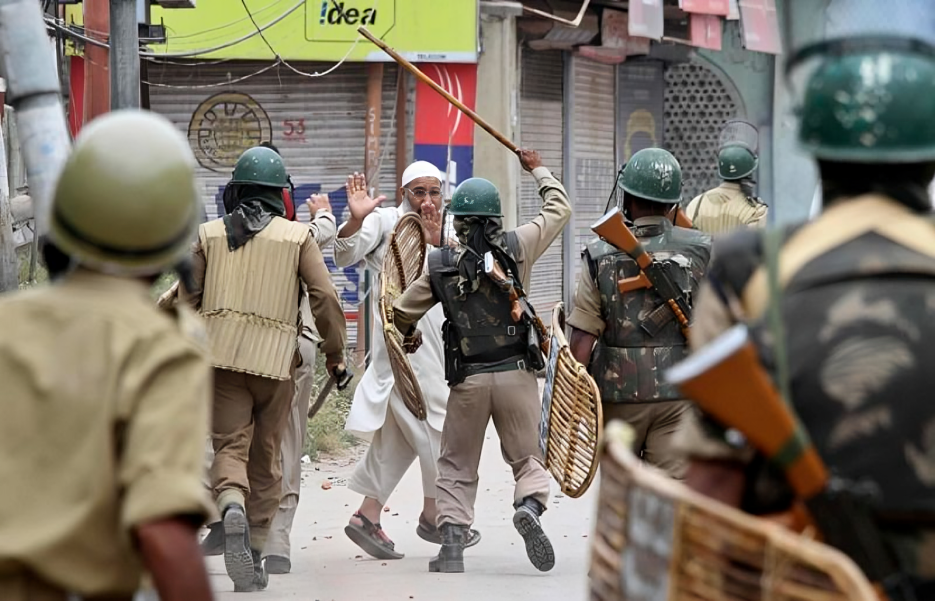
Rage against the government sustained as large crowds grouped outside parliament and across Kathmandu, agreeably resisting a citywide curfew. Protesters burned tyres, threw stones at riot police, and chased them through narrow streets, while others filmed the chaos on their phones as thick black smoke filled the sky. Witnesses said demonstrators also set fire to the homes of some politicians, and local media reported that several ministers had to be rescued by military helicopters.
An assistant to Oli said his private residence was also attacked. Television footage showed protesters ransacking Oli’s residence and setting it ablaze, while outnumbered security forces looked on without intervening. Videos circulating on social media appeared to show former Prime Minister Sher Bahadur Deuba and his wife, Arzu Rana, who was serving as foreign minister under Oli, being attacked by protesters, though Reuters could not confirm the authenticity of the clips. Witnesses further said that the Singha Durbar complex housing parliament, ministries, and the prime minister’s office was also set to fire.
Airport Closure: Nepal’s leading international gateway, Kathmandu airport was closed as the Civil Aviation Authority of Nepal said the decision took immediate effect, citing safety risks to aircraft from smoke rising from fires set by protesters nearby. Organizers describe “demonstrations by Gen Z” across the Himalayan cities, reflects young people’s frustration over corruption and lack of economic opportunities. One protester wrote in an email to Reuters, signing off as “a concerned Nepali citizen”. That “the protest was aimed primarily at extensive government corruption.”
According to the email, young Nepalis had been posting online about the lavish lifestyles of politicians’ families, prompting the government to crack down on social media platforms. Last week, Oli’s administration imposed a ban blocking access to several sites, saying they had failed to register with authorities. Critics called the move an attack on free speech, but the government defended it as necessary to curb disinformation and fraud.