
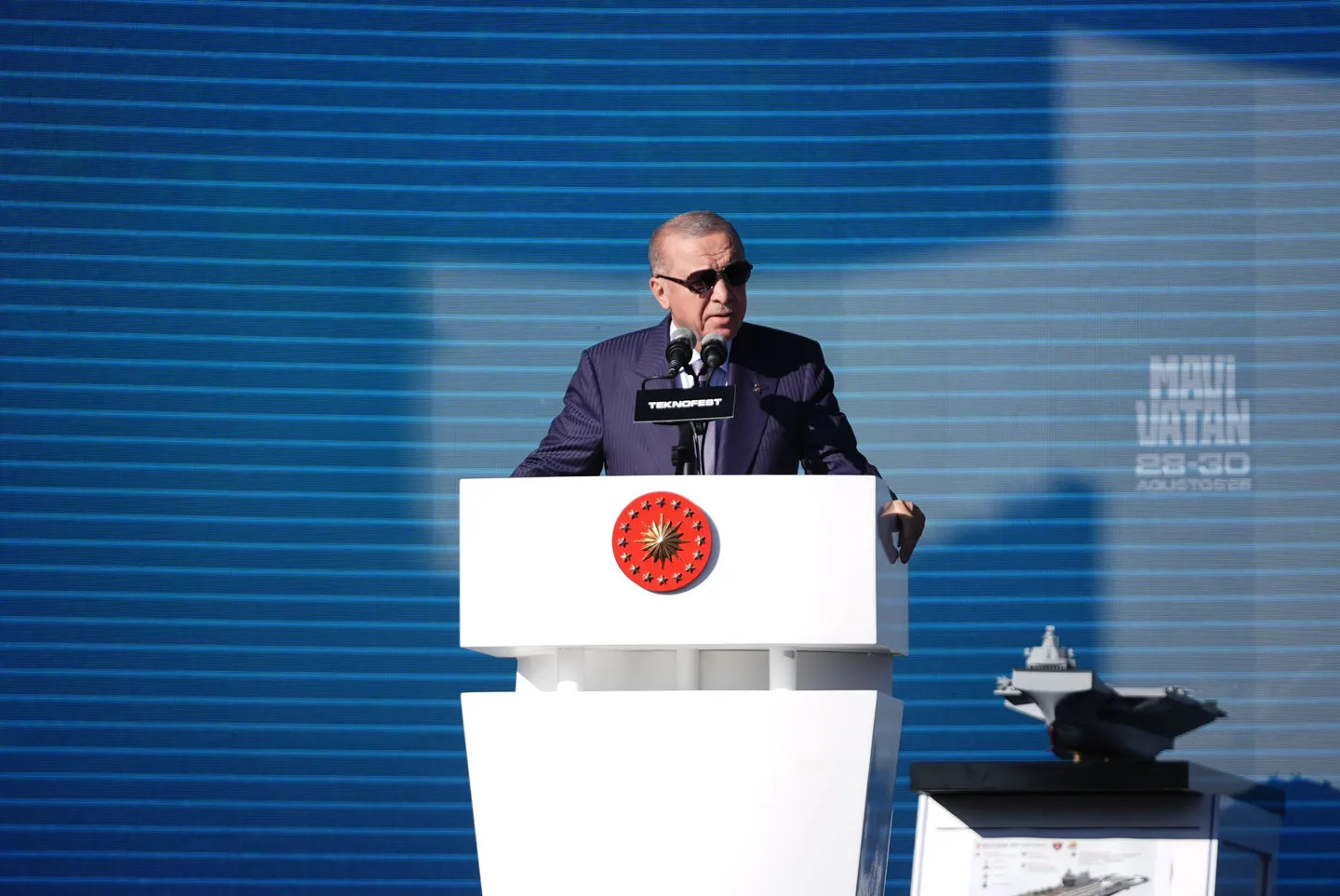
Turkish President Recep Tayyip Erdogan used a high-profile piece in a Japanese paper to highlight growing Türkiye–Japan ties and to plead for urgent international action to stop what he called Israel’s oppression in Gaza; he urged a ceasefire, stepped-up humanitarian aid and a renewed push for a two-state solution.
Erdogan described the relationship with Japan as a “bridge of hearts” and praised Tokyo’s commitment to peace and humanitarian values, saying closer cooperation between the two democracies can help address global crises including the Gaza emergency. He framed the appeal not as partisan rhetoric but as a practical call for concrete steps: secure corridors for aid, protection of children’s education and health and diplomatic pressure to end the cycle of violence.
Tokyo has publicly urged restraint and insisted on a return to negotiations, warning that unilateral moves that deepen the humanitarian crisis will only make a two-state outcome harder to achieve; Japan’s foreign ministry has repeatedly voiced concern about developments that worsen civilian suffering in Gaza and called for renewed talks.
Erdogan’s intervention follows months of increasingly sharp Turkish criticism of Israeli operations in Gaza; Ankara has repeatedly condemned strikes that have devastated civilian areas and has pushed for uninterrupted humanitarian access to the Strip. The president’s new appeal to Japan amplifies that message to a Pacific power with close ties to Western capitals; analysts say the move broadens the diplomatic chorus demanding immediate relief for Palestinians.
The appeal to Tokyo carries practical as well as symbolic weight. Japan is a major donor to humanitarian programmes in the region and a respected voice in international institutions; Ankara’s outreach aims to convert sympathy into coordinated pressure for a ceasefire and for mechanisms that can safely and reliably channel aid into Gaza. At the same time, Japan is balancing competing priorities; Tokyo has expressed concern about regional stability and remains wary of steps that could complicate its relationships in the Middle East.
Regionally the stakes are high. Erdogan warned that continued military pressure and displacement risk wider instability across the Middle East; he urged Muslim and non-Muslim states alike to turn solidarity into action, to treat the crisis as an urgent humanitarian and legal challenge and to work toward durable political arrangements. Observers say Ankara’s message is designed to keep Gaza at the top of the international agenda while signalling Türkiye’s role as a regional convenor.
Not everyone will embrace Erdogan’s framing. Some Western governments have counseled quiet diplomacy rather than public rebukes, and diplomatic coordination will be complicated by differing views on how to secure hostages, protect civilians, and deter further violence. Still, Erdogan’s direct appeal to Japan expands the debate beyond the usual regional actors and could nudge more capitals to press for immediate humanitarian measures.
For Palestinians and aid workers on the ground the need is immediate: safe routes for food, fuel and medicine, and the protection of civilians in densely populated areas. Erdogan’s message to Tokyo and the world is blunt: words of concern must be turned into verified access and real relief. How quickly that conversion happens will shape both short-term survival and the long debate over Gaza’s political future.