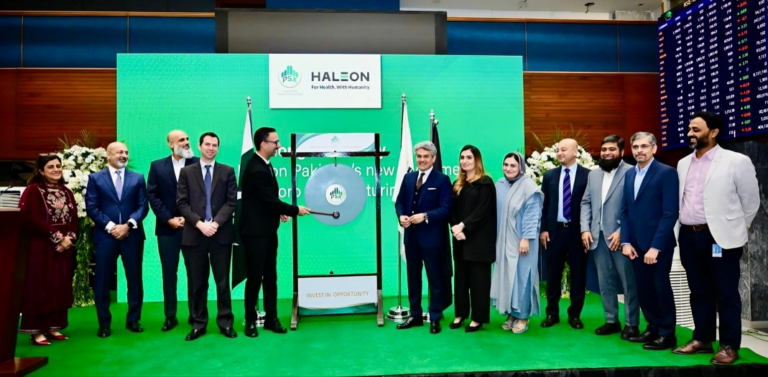

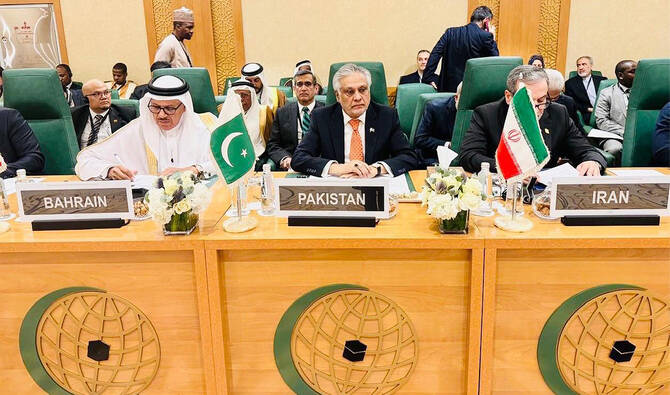
Pakistan’s Foreign Minister Ishaq Dar has warned that the so-called “Greater Israel” agenda poses a direct danger to regional peace and to the sovereignty of Arab states. Speaking at a meeting of the Organization of Islamic Cooperation (OIC) in Jeddah, Dar stressed that Islamabad stands firmly with Arab partners in rejecting any scheme that redraws borders or uproots Palestinian communities. He argued that such measures would block the path to a just settlement and make a durable peace impossible.
Dar’s comments came as foreign ministers from across the Muslim world gathered to coordinate their stance on recent Israeli policy moves that many describe as part of a “Greater Israel” vision. Pakistan endorsed a joint statement by more than 30 Arab and Islamic governments, condemning the plan as a breach of international law and a serious threat to regional security. The statement also underscored that the project would undermine hopes for a two-state solution and risk sparking wider conflict.
The debate follows Israel’s approval of a controversial settlement project in the E1 corridor near Maale Adumim, a development critics say would split the West Bank in half and eliminate the possibility of a viable Palestinian state. International opposition has been sharp, with rights groups and foreign governments warning that this step erodes the last remaining prospects for peace and fuels instability.
At the OIC meeting, Pakistan pressed for urgent measures to halt unilateral actions on the ground, expand humanitarian access to Gaza, and preserve the territorial integrity of Arab states. Dar echoed Prime Minister Shehbaz Sharif’s position that the ongoing occupation remains the root cause of the conflict, urging Muslim nations to stand united as they prepare for broader diplomatic engagements at the United Nations and other platforms.
Reactions from regional capitals have been swift and severe. Several Arab governments have summoned Israeli envoys while international human rights bodies cautioned that policies displacing civilians or seizing land could amount to violations of international law. Analysts believe the fallout may complicate ongoing ceasefire negotiations and disrupt humanitarian relief efforts, raising pressure on mediators to act quickly.
For Pakistan, Dar’s intervention was a reaffirmation of its longstanding policy: a categorical rejection of any measures that entrench occupation or weaken Palestinian self-determination. Islamabad has signaled that it will rally allies and international institutions to respond with tangible steps, including diplomatic pressure, targeted sanctions and renewed support for negotiations that restore Palestinian rights.
The OIC meeting in Jeddah is expected to produce a unified position to present at the United Nations and in discussions with Western powers. Whether collective diplomatic pressure will be enough to stop settlement expansion remains unclear, but Dar’s strong words underline Pakistan’s determination to be a prominent voice in shaping the global response.