
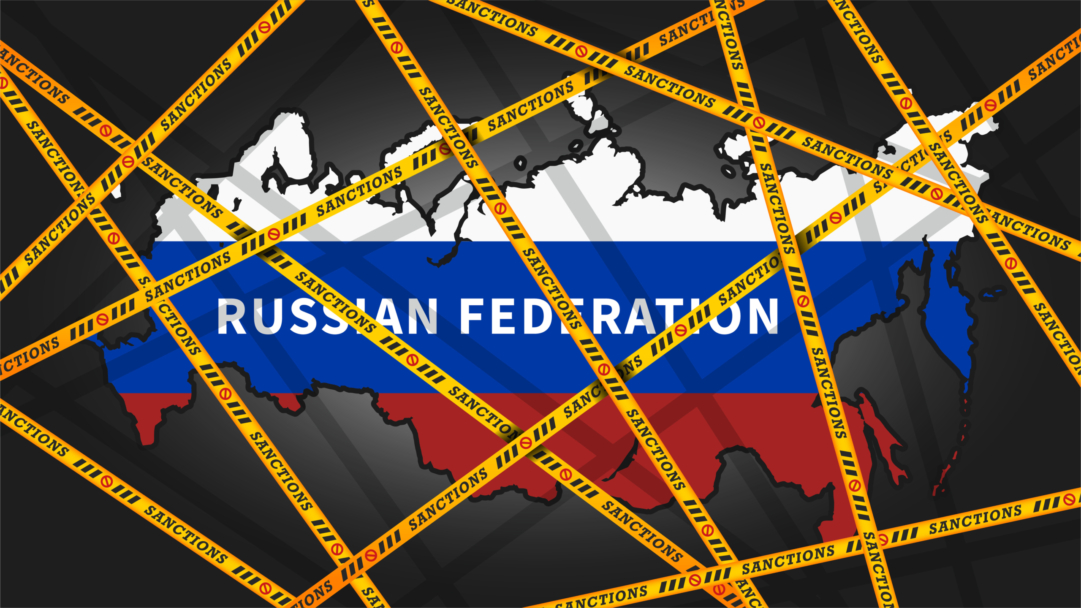
Western sanctions on Russia, particularly after the escalation of the Ukraine war, were designed to cut Moscow’s access to global finance and energy markets. Yet, three years later, Russia continues to generate revenue and maintain trade flows through a complex ecosystem of shadow trade networks. These include untraceable oil tankers, stablecoin transactions, offshore shell companies, and barter arrangements—systems that collectively challenge the effectiveness of sanctions.
Shadow Oil Networks: The “Dark Fleet”
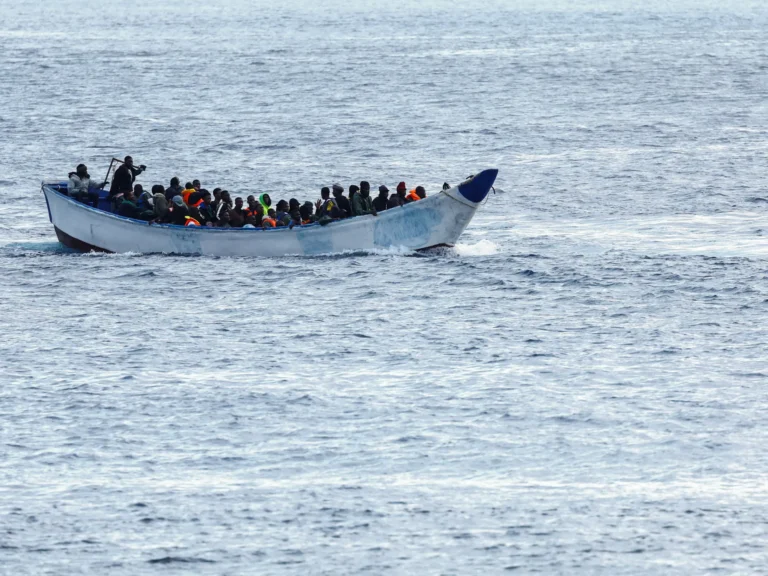
The backbone of Russia’s sanctions evasion strategy is its so-called shadow fleet of oil tankers. These ships, often decades old and registered under shell companies, operate under flags of convenience. They frequently turn off tracking systems, conduct ship-to-ship transfers in international waters, and conceal ownership structures.
By early 2025, the shadow fleet was estimated to exceed 1,000 vessels—nearly double its size from late 2022. Despite increasing sanctions on these tankers, only a fraction are actively monitored or blacklisted. This enables Russia to sell crude above the Western price cap and continue funneling billions into state revenues.
Crypto and Alternative Payment Channels
Beyond oil, Russia has leaned heavily on cryptocurrency and alternative financial systems. Stablecoins pegged to the ruble, such as the A7A5 token, have been used in transactions worth tens of billions of dollars. These digital tools allow Russian firms to settle international trade without touching Western banks.
At the same time, barter trade, gold settlements, and accounting “netting” systems have gained traction. In several cases, Russian exports are exchanged directly for goods or services, reducing reliance on the dollar and euro. This approach strengthens Russia’s ties with trading partners in Asia, the Middle East, and Central Asia.
Shell Companies and Offshore Traders
Russia’s evasion networks also rely on offshore entities and middlemen. Complex webs of shell companies—some operating in the Gulf, the Caucasus, and Southeast Asia—mask the origin of Russian commodities.
Trading houses and logistics companies are split into “blue entities” with access to Western systems and “red entities” designed to handle sanctioned goods. When a red entity is exposed, it is quickly replaced, making enforcement a constant game of catch-up.
Global Risks and Enforcement Gaps
Fragmented Enforcement – Sanctions work best with global alignment. Yet, inconsistent enforcement between the US, EU, and Asian partners creates loopholes Russia can exploit.
Environmental Hazards – The shadow fleet’s reliance on old, poorly maintained tankers poses rising risks of oil spills and maritime accidents.
Financial Stability Risks – Russia’s pivot toward crypto, yuan, and barter increases its resilience but also shifts global trade patterns, reducing Western financial leverage.
Geopolitical Dependencies – These shadow networks deepen Moscow’s reliance on China, India, and smaller states willing to act as intermediaries.
The Future of Shadow Trade
Russia’s sanction-evasion strategies illustrate both its economic adaptability and the limitations of Western policy tools. Unless enforcement becomes truly international—spanning maritime law, financial regulations, and digital assets—Moscow will continue to exploit the shadows.
For now, shadow trade networks are not only keeping Russia afloat but also redrawing the map of global commerce. The longer these systems remain unchecked, the more they risk becoming permanent features of the international order.