
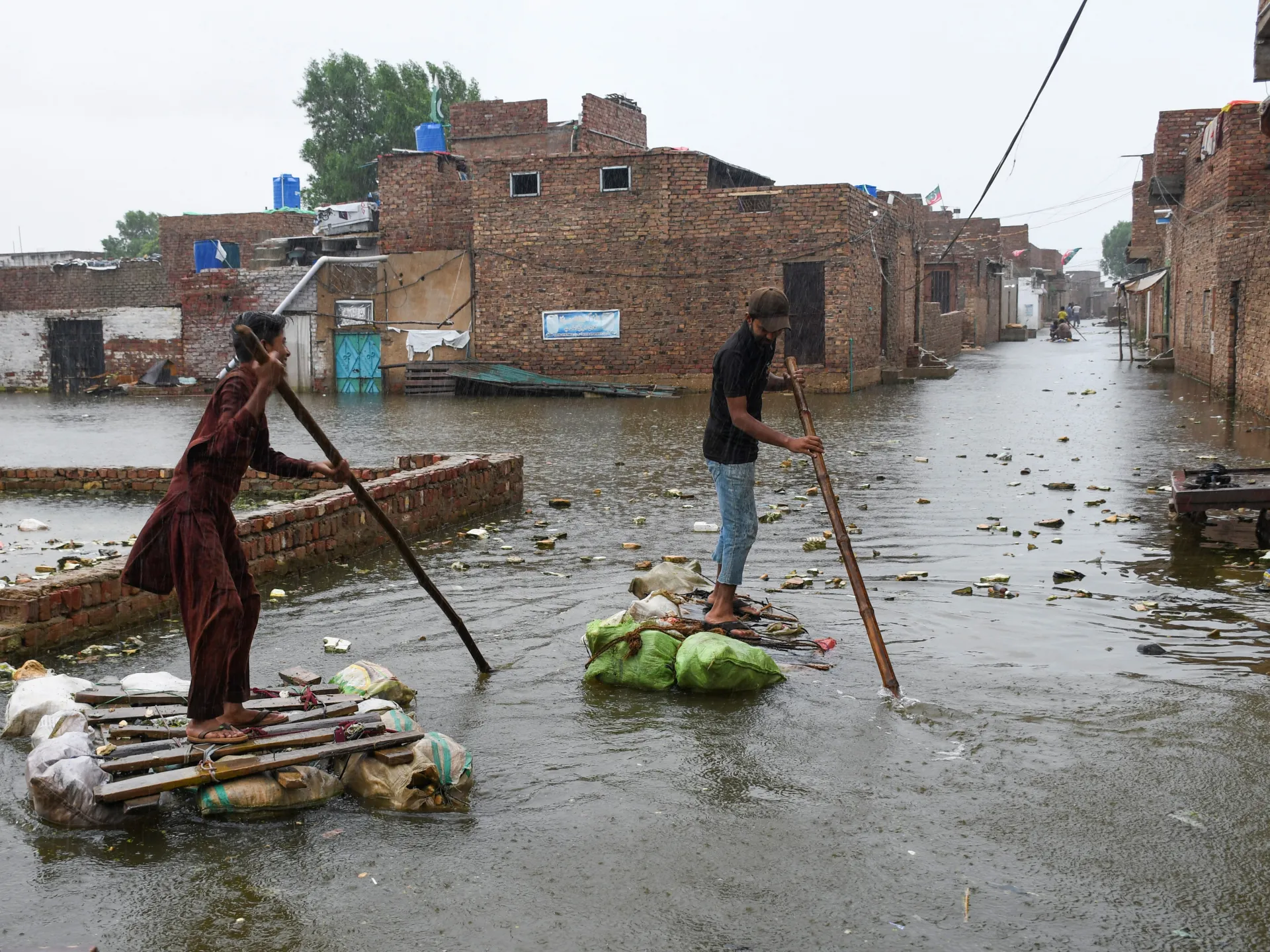
Pakistan is reeling from one of its deadliest flood disasters in recent years. Heavy monsoon rains and rare cloudbursts struck in August 2025, submerging towns, sweeping away homes, and leaving a trail of destruction. Officials confirmed that more than 700 people have died nationwide, while thousands more remain injured or missing. Entire families were displaced as rivers overflowed and landslides buried remote villages. However, the scale of the disaster continues to grow as authorities uncover new areas cut off by water.
The worst-hit regions include Buner in Khyber Pakhtunkhwa, where more than 200 lives were lost in sudden flash floods. In Karachi, torrential rain overwhelmed drainage systems, paralysed transport, and disrupted electricity for millions. Streets turned into rivers, forcing residents to abandon vehicles and seek shelter. “The water came so fast, we had no time to save anything,” said Karim Khan, a resident of Buner who lost his home. Yet, despite the chaos, rescue teams, army units, and volunteers worked around the clock to evacuate stranded families. The military reported saving over 6,900 people while distributing tents, food, and medicines in flood-hit areas.
Relief aid reached flood-hit regions swiftly, though challenges remained. The government released Rs 5.8 billion in emergency funds, while the army rescued thousands and set up relief camps. International organizations, including Islamic Relief and CARE, distributed food, clean water, and medical supplies. However, overcrowded shelters and damaged roads slowed deliveries, leaving many survivors waiting for essentials. “We received some food and blankets, but medicine is still scarce,” said one displaced villager.
What factors contributed to the floods?
Experts warn that multiple factors intensified the disaster. Meteorologists linked the extreme rainfall to climate change, saying warmer air carried more moisture and caused cloudbursts. Furthermore, unchecked urbanization, deforestation, and weak infrastructure worsened the flooding by blocking natural drainage channels. While Pakistan contributes less than one percent to global emissions, it remains one of the countries most exposed to climate disasters. So, scientists and aid groups are urging stronger adaptation policies, improved drainage systems, and better disaster preparedness.
What could be done to mitigate floods in Pakistan?
To mitigate floods in Pakistan, authorities must strengthen early warning systems and invest in resilient infrastructure such as dams, levees, and improved drainage networks. Urban planning should restrict construction on floodplains, while reforestation in catchment areas can reduce soil erosion and water runoff. Community awareness programs and disaster preparedness drills are also essential. Moreover, adopting modern technology for water management and ensuring cross-provincial coordination can help minimize future flood risks.
In conclusion, Pakistan’s 2025 floods exposed both human vulnerability and systemic weaknesses. The resilience of rescue workers and aid providers saved countless lives. However, the mounting death toll highlights an urgent need for climate action, infrastructure reform, and long-term recovery planning. As one exhausted rescue volunteer in Karachi put it: “We are saving lives every hour, but the suffering is far from over.”