

On Monday, Pakistan welcomed a ruling by a Hague-based international tribunal that affirmed its rights under the 1960 Indus Waters Treaty. The Permanent Court of Arbitration’s August 8 award declared that India shall let flow the western rivers to Pakistan’s unrestricted use, a Foreign Office statement said, calling the decision an endorsement of Pakistan’s historical stance on water sharing. Islamabad said the award carries special significance given India’s recent suspension of the treaty and urged New Delhi to resume normal water-sharing operations and implement the ruling. “Pakistan remains committed to full implementation of the IWT (Indus Waters Treaty),” the statement added.
The Foreign Office highlighted the award’s technical guidance noting that the tribunal’s findings on dam design limiting low-level outlets, gated spillways, turbine intakes, and pondage align with Pakistan’s interpretation of the treaty. The court emphasized that exceptions for power generation must follow the treaty’s strict terms, not India’s preferred ideal practices. Former Indus Water Commissioner Jamaat Ali Shah said the decision endorsed Pakistan’s claims that India cannot cut river flows, adding that the court has required India to continue downstream releases. Legal expert Ahmer Bilal Soofi called the award a great success that strengthens Pakistan’s position internationally. Shah also urged Islamabad to challenge India’s refusal to share river-flow data and to work on revising the treaty with Indian counterparts, noting that both countries face common environmental pressures.
Pakistan relies on the Indus River system for most of its water. Under the World Bank brokered treaty, Pakistan has full rights to the Indus and its two western tributaries, the Jhelum and Chenab while India has unrestricted use of the eastern rivers. These western rivers feed roughly 80 percent of Pakistan’s irrigated agriculture and hydropower, making their flow a national priority. India is allowed only limited run-of-river projects on the western rivers without large storage or diversion under the treaty’s terms. Pakistan launched the PCA arbitration in 2016 over India’s planned dams such as Kishanganga and Ratle on these rivers. The award’s recent phase set general design criteria; it said specific disputes over those dam projects will be decided in later proceedings.
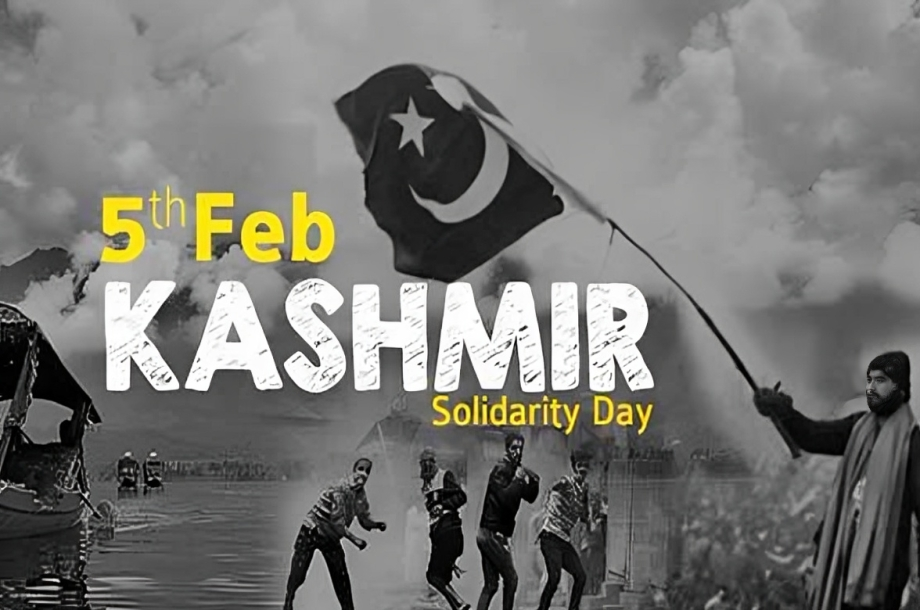
New Delhi has refused to participate in the arbitration and in April announced it was placing the treaty in suspension after a Kashmir attack. Islamabad condemned that move as unlawful, warning that any attempt to block Pakistan’s water share would be considered an act of war. In June, the tribunal ruled that India’s suspension did not deprive it of jurisdiction. It reminded both sides that its awards are final and binding on the parties and have a controlling legal effect on future disputes. The court stressed that the IWT was meant to delimit each country’s rights and obligations with cooperation especially given Pakistan’s downstream vulnerability.
The ruling gives Islamabad a diplomatic boost at a tense moment.
The government says it expects India to abide by the treaty and implement the decision, though India has not commented. Water experts note the outcome reinforces Pakistan’s legal case and could raise pressure for treaty cooperation. Some analysts say it may also strengthen calls in Pakistan to modernize the IWT to handle climate and data-sharing challenges. For now, officials say the award vindicates their long-held position and strengthens their hand as the dispute moves to its next phase.