
The floods in Gilgit-Baltistan (GB), Pakistan, have been a serious issue in recent years due to rising rainfall and glacial melt, which is exacerbated by climate change.
The region, home to the mighty Karakoram and Himalayas, has been facing devastating floods, particularly in the summer months when monsoon rains combine with the rapid melting of glaciers. These floods lead to landslides, destruction of infrastructure, loss of livelihoods, and sometimes casualties.
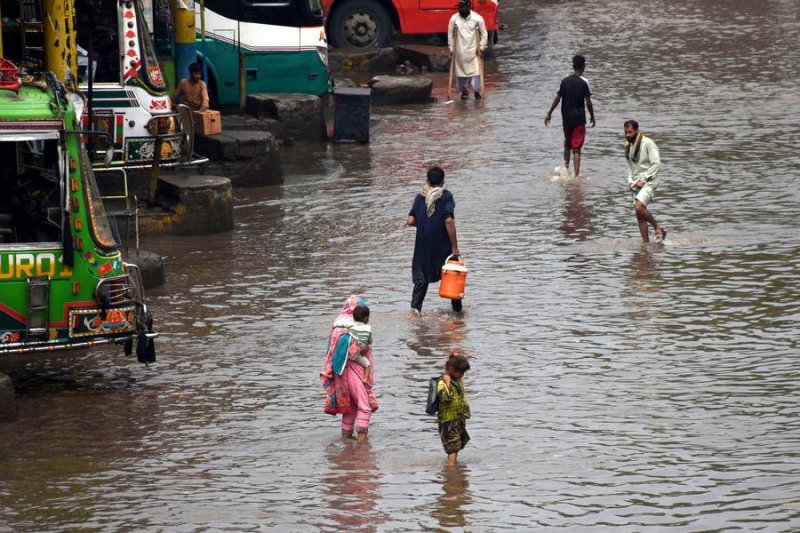
Flash floods have struck Gilgit-Baltistan after days of intense monsoon rains combined with rapid glacier melt, causing widespread destruction. The worst-hit areas include Skardu, Hunza, Ghizer, Diamer, and Astore, where overflowing rivers swept away homes, roads, and bridges.
Rescue teams, including the Pakistan Army, GB Scouts, and Rescue 1122, evacuated more than 300 stranded tourists, many of whom were trapped in Babusar Valley and Deosai. At least 10 people have died so far, including women and children, while dozens remain missing or injured.
Over 500 houses were damaged—nearly 340 destroyed—along with 27 bridges and 12 kilometers of road infrastructure. Communication lines and water channels were also severely affected, leaving remote villages without basic supplies or medical help.
Chief Minister Gulbar Khan said damages could exceed Rs 20 billion and has requested Rs 7 billion in federal emergency relief. Meanwhile, the NDMA and NEOC have issued more alerts as rainfall continues, warning of landslides, flash floods, and glacial lake outburst floods (GLOFs).
Authorities are working around the clock to restore access, provide food and shelter, and prevent further loss. Experts link the disaster to rising climate extremes, warning that higher temperatures are accelerating glacier melt and making such disasters more frequent.