
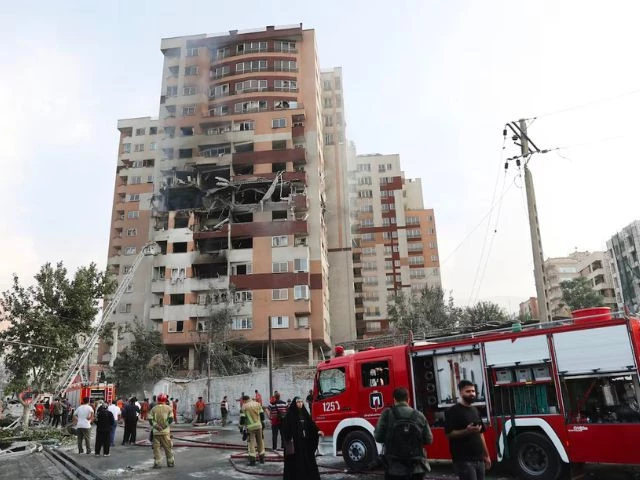
In a dramatic escalation, Israel has launched large-scale airstrikes on Iran, targeting nuclear facilities, missile factories, and military headquarters. The surprise operation, dubbed “Rising Lion”, resulted in the assassination of top Iranian military leaders, including IRGC Chief Major General Hossein Salami. According to Iranian state media, at least six nuclear scientists were also killed, and over 50 civilians, including women and children, were injured in the capital Tehran.
Israel claims the attack was a preemptive strike to neutralize what it describes as an “imminent nuclear threat.” Prime Minister Benjamin Netanyahu said the offensive would continue “for as many days as needed” to dismantle Iran’s ability to build nuclear weapons. The Israeli military has since been placed on high alert, with tens of thousands of troops deployed and air defences activated in anticipation of Iranian retaliation.
Iran’s Supreme Leader Ayatollah Ali Khamenei condemned the attack, promising a “bitter fate” for Israel. The IRGC confirmed plans for a retaliatory strike and warned both Israel and the United States of severe consequences. While Washington officially denied any involvement in the strikes, Iran has accused the U.S. of providing indirect support, heightening fears of a broader regional conflict.
The attacks disrupted air travel across the Middle East, forcing airlines to reroute or cancel flights over Iran, Iraq, and Israel. Global markets reacted swiftly, with oil prices surging and investors rushing toward safe-haven assets. With nuclear talks between the U.S. and Iran already stalled, this latest escalation threatens to plunge the region into deeper instability