
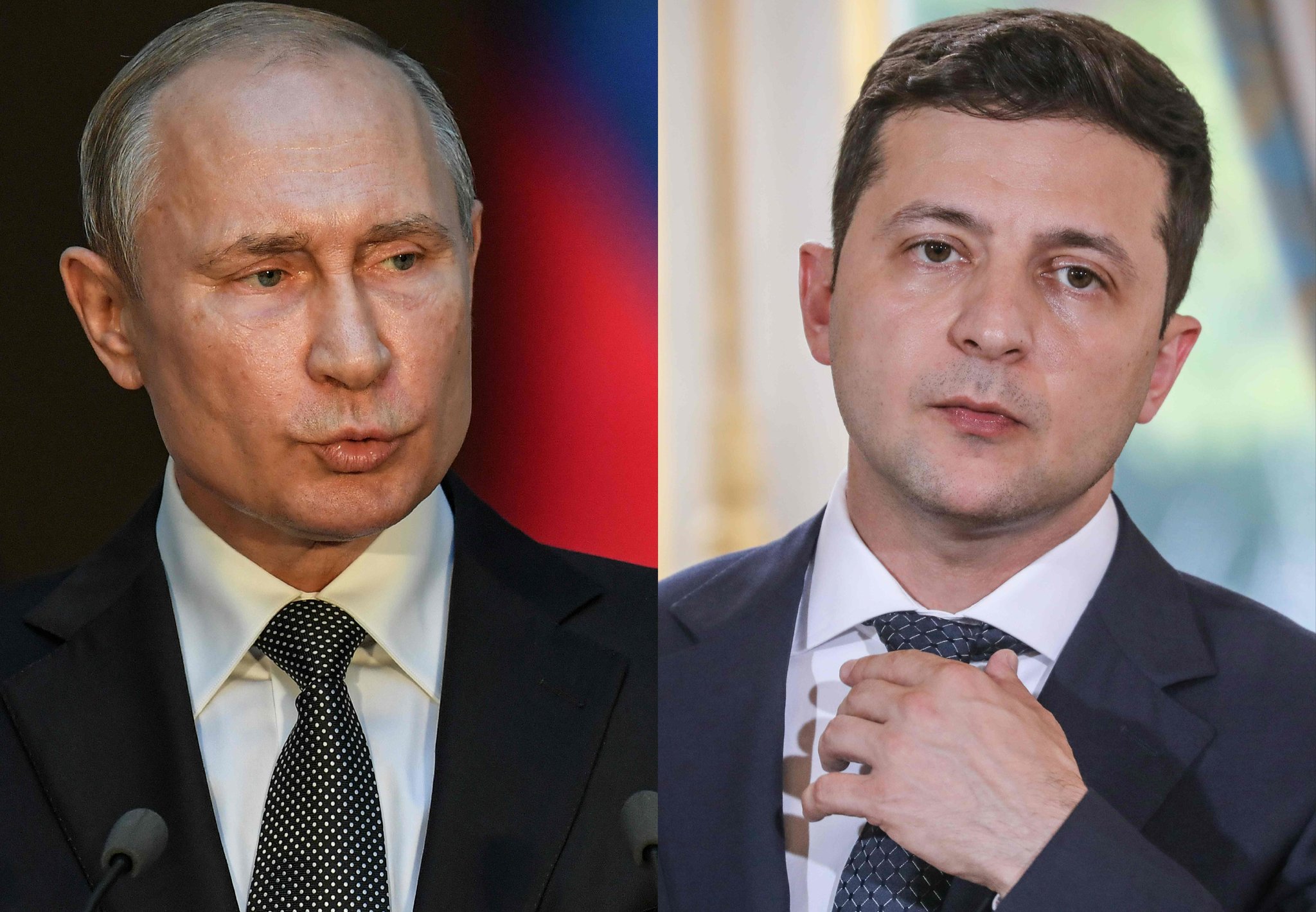
In a surprising development in the ongoing Russia-Ukraine war, Ukrainian President Volodymyr Zelensky has agreed to meet Russian President Vladimir Putin for direct peace talks in Turkey on May 15, 2025. The announcement follows a public statement from former U.S. President Donald Trump urging Ukraine to accept Putin’s proposal for immediate negotiations, bypassing Western demands for a ceasefire first.
Earlier, European leaders visiting Kyiv had insisted that Russia agree to a full 30-day ceasefire before any peace talks could commence. Backed by key allies including the UK, France, Germany, and Poland, Zelensky initially echoed this stance. However, Trump’s intervention appears to have shifted the Ukrainian position.
“President Putin of Russia doesn’t want to have a ceasefire agreement with Ukraine, but rather wants to meet on Thursday, in Turkey, to negotiate a possible end to the bloodbath,” Trump posted on Truth Social. “Ukraine should agree to this, immediately.”
Zelensky responded later on Sunday, writing on X: “I will be waiting for Putin in Türkiye on Thursday. Personally. I hope that this time the Russians will not look for excuses.” He added that a ceasefire starting May 12 would provide “the necessary basis for diplomacy.”
Despite the meeting announcement, uncertainty remains. The Kremlin has not confirmed whether Putin will attend in person, and a top aide to the Russian leader indicated that any talks would need to consider a 2022 draft peace deal and “the current situation on the ground”—a veiled reference to Russian-occupied territories in Ukraine.
Western leaders had previously warned that failure to accept a ceasefire could result in new, sweeping sanctions targeting Russia’s energy and banking sectors. They also reiterated support for Ukraine, with UK Prime Minister Sir Keir Starmer describing the potential meeting as a “significant moment” while stressing the need for a genuine halt to hostilities.
Meanwhile, the situation on the front lines remains tense. Both sides have accused each other of violating a recent brief ceasefire, with hundreds of drone attacks and ground clashes reported by Ukraine’s armed forces over the weekend.
Putin’s latest statement portrayed the talks as “the first step towards a long-term, lasting peace,” while also rejecting Western demands as ultimatums. Russia’s foreign ministry insisted that discussions about the root causes of the conflict must precede any ceasefire arrangements.
The last direct talks between Kyiv and Moscow were held in 2022. Whether this new round of proposed dialogue will lead to meaningful progress—or simply serve as seen.
As the international community watches closely, one thing is clear: neither side wants to appear as the barrier to peace, especially under the renewed pressure of global attention and shifting diplomatic dynamics.