
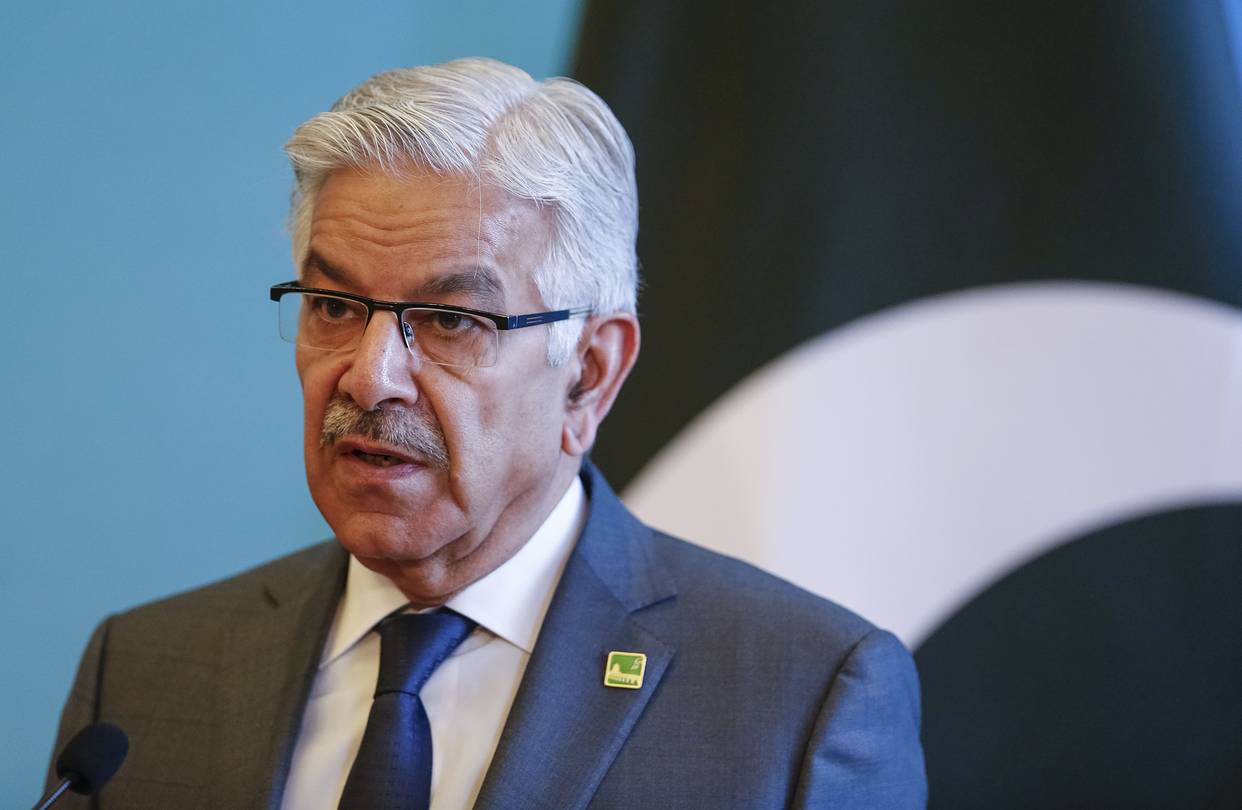
In a recent development, Defence Minister Khawaja Asif has accused the Pakistan Tehreek-e-Insaf (PTI) of politicizing the Jaffar Express hijacking incident, alleging that the party misinterpreted the situation on social media and overlooked national security concerns while blaming the government and establishment.
The Jaffar Express hijacking has been a significant event, drawing attention to the challenges Pakistan faces in ensuring the safety of its transportation networks. The incident has raised concerns about the security measures in place and the need for a unified response to such threats.
Minister Asif’s criticism highlights the delicate balance between political discourse and national security. He suggests that PTI’s approach to the incident has been counterproductive, potentially undermining the efforts of security forces and the government’s initiatives to address the situation effectively.
The PTI, on the other hand, has utilized social media platforms to express its viewpoints, holding the government and establishment responsible for the security lapse. This has sparked a debate on the role of political parties in times of national crises and the importance of presenting a united front.
The incident underscores the necessity for all political entities to prioritize national interests over partisan politics, especially when addressing issues that pertain to the safety and security of citizens. A collaborative approach is essential to effectively counteract political threats and ensure public confidence in the nation’s security apparatus.