
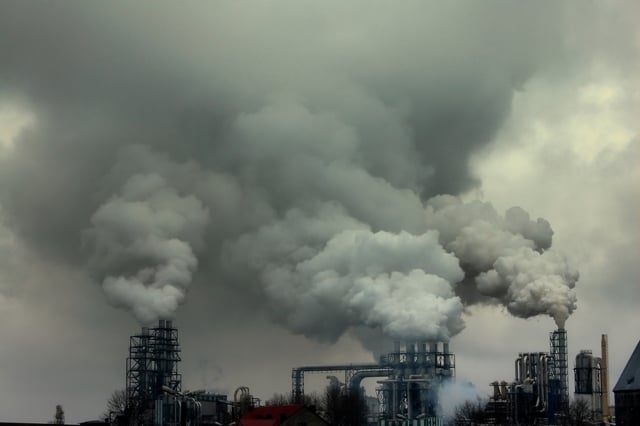
In 2024, Pakistan faced a severe air pollution crisis, ranking among the world’s top five most polluted countries. Alongside Chad, Bangladesh, the Democratic Republic of Congo, and India, Pakistan’s pollution levels remained alarmingly high. The country’s average concentration of fine particulate matter (PM2.5) far exceeded the World Health Organization’s (WHO) recommended limit of 5 micrograms per cubic meter. This underscored the severity of the situation.
Hazardous Air Quality in Major Cities
Major urban centers such as Lahore and Karachi recorded dangerously high pollution levels, particularly during winter. In November 2024, Lahore’s Air Quality Index (AQI) exceeded 1,200—four times the threshold considered hazardous. Similarly, Multan’s PM2.5 concentrations reached 947 micrograms per cubic meter on November 8, nearly 190 times higher than WHO’s safety guidelines.
Key Causes of Air Pollution
Several factors contributed to this alarming situation:
- Agricultural Practices: The burning of crop residues in Punjab released large amounts of smoke and particulate matter, significantly worsening air quality.
- Industrial Emissions: Unregulated industrial activities emitted pollutants without adequate filtration, adding to the pollution crisis.
- Vehicular Emissions: The growing number of vehicles, many lacking proper emission controls, further increased pollution levels.
Health Implications
The consequences of such extreme pollution are severe. High levels of PM2.5 contribute to respiratory diseases, reduce life expectancy, and cause millions of premature deaths each year.
Government Response and Measures
In response, the Pakistani government introduced several measures:
- Health Emergency Declaration: Punjab declared a health emergency, shutting down schools and construction sites while moving universities online to safeguard public health.
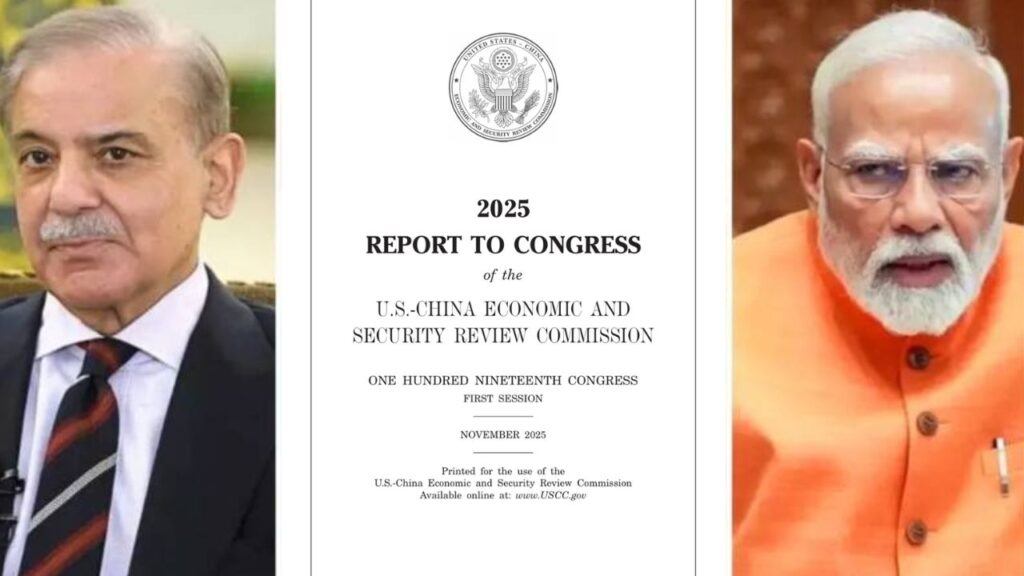
- Regional Cooperation Advocacy: Acknowledging the transboundary nature of air pollution, Punjab’s Chief Minister, Maryam Nawaz Sharif, called for “climate diplomacy” with India to tackle the smog crisis collaboratively.
Challenges and Data Gaps
Despite these efforts, challenges persist. The U.S. State Department ended its air quality monitoring program in 2024 due to budget constraints. This decision left countries like Pakistan with limited access to real-time pollution data, making effective policy responses more difficult.
Conclusion
Pakistan’s air pollution crisis remains a serious environmental and public health threat. While government measures aim to address the issue, long-term solutions require stricter regulations, improved monitoring, and regional cooperation to combat the growing smog problem.